10 Best Kitchen Sink Materials – A Comprehensive Guide
Many homeowners struggle with choosing the perfect kitchen sink that combines style, durability, and ease of maintenance. You’re not alone—navigating the options can feel overwhelming. Finding the right kitchen sink material is essential to making your kitchen both functional and beautiful.
Choosing the right kitchen sink material depends on your needs for durability, style, and maintenance. Popular options include stainless steel for affordability and easy care, composite granite for toughness, and fireclay for a high-end look.
Cast iron, porcelain, copper, and natural stone offer unique aesthetics but require specific care. Each material balances benefits and drawbacks.
Want to uncover which material suits your kitchen best? Continue to delve into this thorough guide to find out more.
Key Takeaways
- When choosing a kitchen sink material, think about durability, maintenance, and how it looks.
- Popular choices include stainless steel, composite granite, fireclay, cast iron, and natural stone.
- The material you pick can affect noise levels, water use, and the overall style of your kitchen.
- Your budget, how complicated the installation is, and long-term upkeep also play a big role in your decision.
- Each material has its own pros and cons, making some better suited to different kitchen styles and lifestyles.
How to Choose the Best Kitchen Sink Material for Your Needs
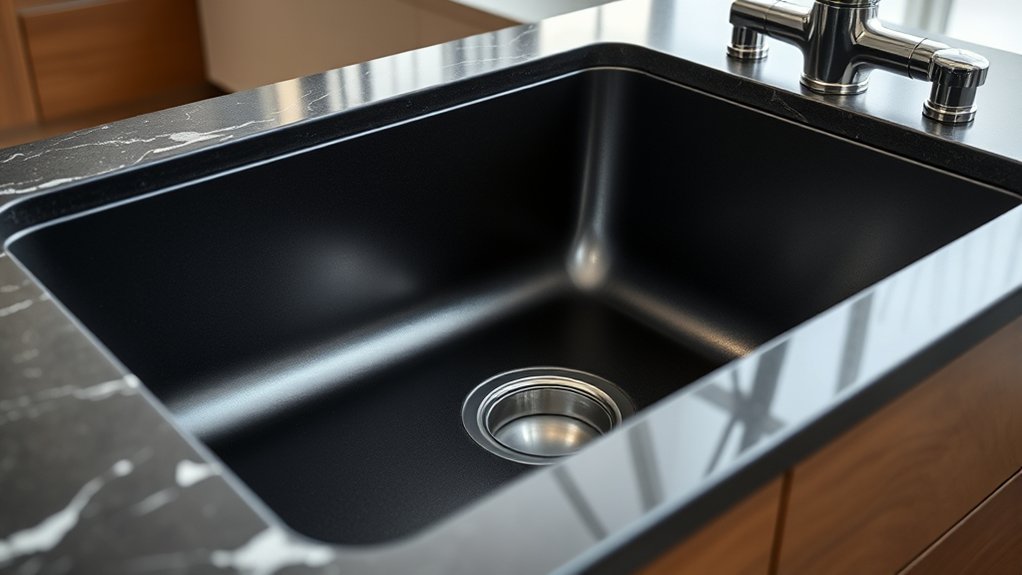
Choosing the right kitchen sink material depends on your needs and preferences, as each option has its own benefits and drawbacks. When picking a material, think about how it affects your kitchen’s ergonomics—like ease of use and comfort during daily tasks.
Selecting a kitchen sink material depends on your needs, balancing benefits, drawbacks, and ergonomic comfort.
For example, a deeper sink can help save water by reducing the time you need to leave the tap running. Materials like stainless steel are durable, easy to clean, and resistant to heat, making them practical for busy kitchens.
If saving water is a priority, look for sinks with features that promote conservation, such as low-flow faucets or aerators. Also, consider how the material impacts noise levels, since some options absorb sound better than others.
Your choice should balance looks, functionality, and sustainability. Make sure your sink enhances your kitchen’s ergonomics and supports water-saving habits.
Top Kitchen Sink Materials: An Overview
When it comes to choosing a kitchen sink, the material you pick really impacts both how it looks and how well it works. Popular options include stainless steel, composite granite, fireclay, and cast iron, each with their own benefits.
Stainless steel is tough, budget-friendly, and easy to care for, making it a favorite for busy kitchens. Composite granite offers a softer look, resists scratches, and handles heat well.
Fireclay sinks have a classic, glossy finish that’s resistant to stains and chips. Cast iron sinks are super sturdy but heavier and might need extra support.
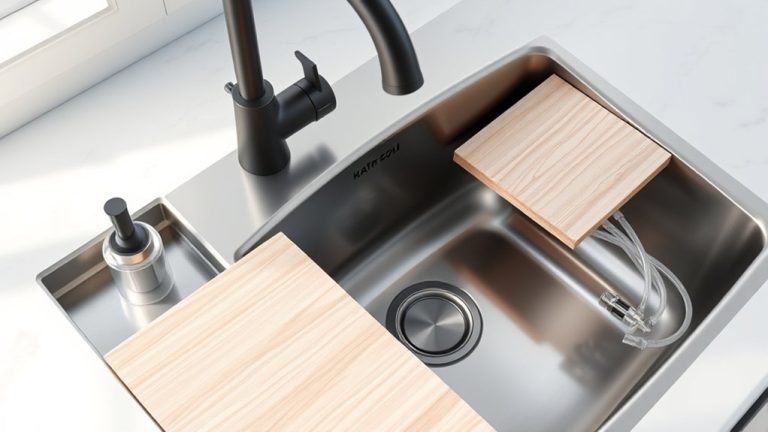
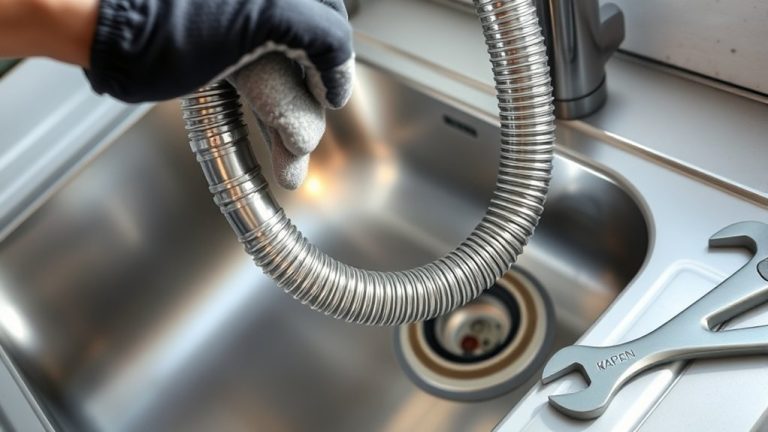
No matter what material you go with, adding the right accessories like cutting boards, drying racks, or colander inserts can make your sink more convenient. If you’re installing a water filtration system, pick a sink that’s easy to modify for plumbing.
Choosing the right material not only makes your kitchen look great but also ensures your sink meets your daily needs effectively.
Stainless Steel Sinks: Pros, Cons, and Best Uses
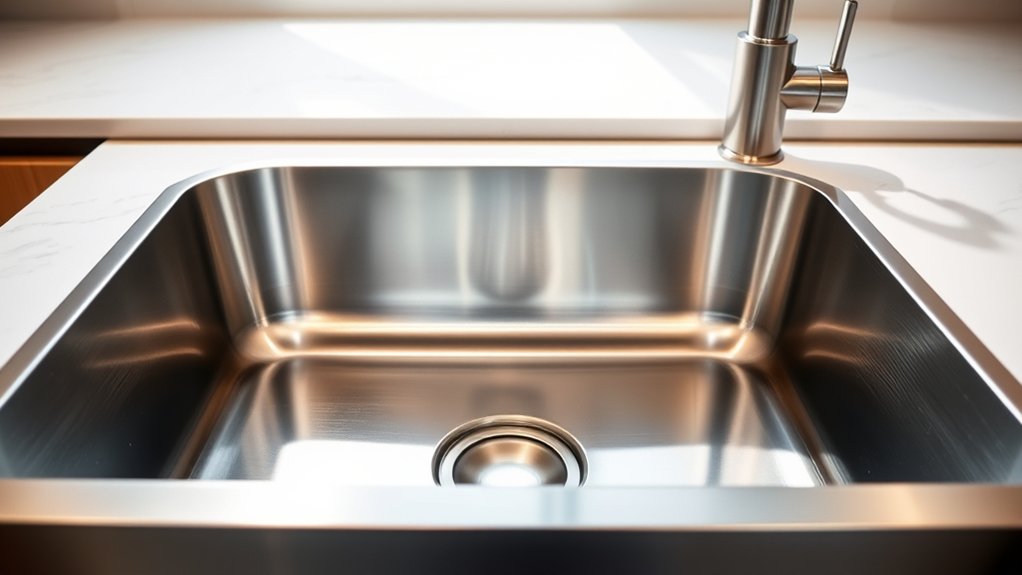
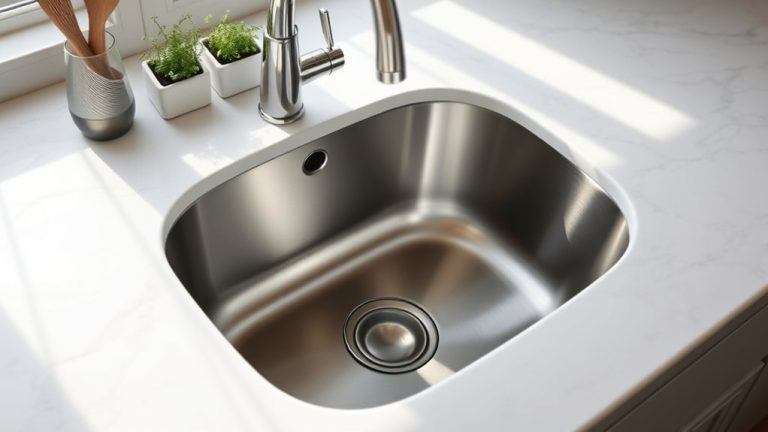
Stainless steel sinks stand out as a versatile and practical choice for many kitchens, thanks to their durability and sleek appearance. They resist stains, dents, and heat, making them ideal for busy households. Plus, stainless steel is compatible with a wide range of kitchen sink accessories, like drying racks and colanders, enhancing functionality.
Stainless steel sinks are durable, stylish, and compatible with many accessories, making them perfect for busy, modern kitchens.
If you’re environmentally conscious, you’ll appreciate that stainless steel is often made from eco-friendly materials and is fully recyclable, reducing waste. However, consider that stainless steel can be noisy when dishes are washed, though soundproofing pads can help.
Scratches may also develop over time, but they can usually be buffed out. Best used in modern, minimalist, or industrial-style kitchens, stainless steel sinks blend seamlessly with stainless appliances and other metal fixtures.
Their easy cleaning and long-lasting nature make them a popular choice for homeowners seeking a balance of practicality and style.
Composite Granite Sinks: Durability and Maintenance Tips
Composite granite sinks are really popular because they’re durable and can handle a lot of use, which makes them perfect for busy kitchens. If you want to keep yours looking great, it’s best to stick to some simple cleaning and care tips. For example, try to avoid harsh chemicals and opt for gentle scrubbers when cleaning.
With a little proper maintenance, your sink can stay both beautiful and functional for many years. Just a few easy steps can make a big difference in keeping your sink in top shape!
Longevity and Resilience
Composite granite sinks are known for their exceptional durability, making them a reliable choice for busy kitchens. They resist chipping, scratching, and stains, helping them stay looking new longer.
Their resilience means you won’t need to replace them often, which reduces waste and supports water conservation by cutting down on repairs or replacements. Plus, their sturdy build lets them handle heavy pots and pans without damage.
When thinking about the environment, composite granite is a sustainable option because of its long lifespan and low maintenance needs. You won’t have to use harsh chemicals or do frequent repairs, which further lowers your ecological footprint.
Cleaning and Care Tips
To keep your composite granite sink looking its best, regular cleaning and proper care are key. Use gentle cleaning routines with non-abrasive cleaners to prevent scratches.
Avoid harsh chemicals that can damage the surface. Instead, opt for mild soap or care products specifically designed for composite materials. For stubborn stains, a soft sponge or cloth works best.
| Cleaning Routine | Care Products |
|---|---|
| Use mild soap or cleaner | Choose non-abrasive, pH-neutral products |
| Rinse thoroughly | Stay away from bleach or ammonia-based cleaners |
| Wipe dry after use | Use a soft cloth or sponge |
| Remove stains quickly | Consider applying a sealant if recommended |
Following these tips helps maintain the sink’s durability and appearance over time.
Cast Iron Enamel Sinks: Strengths and Care Tips
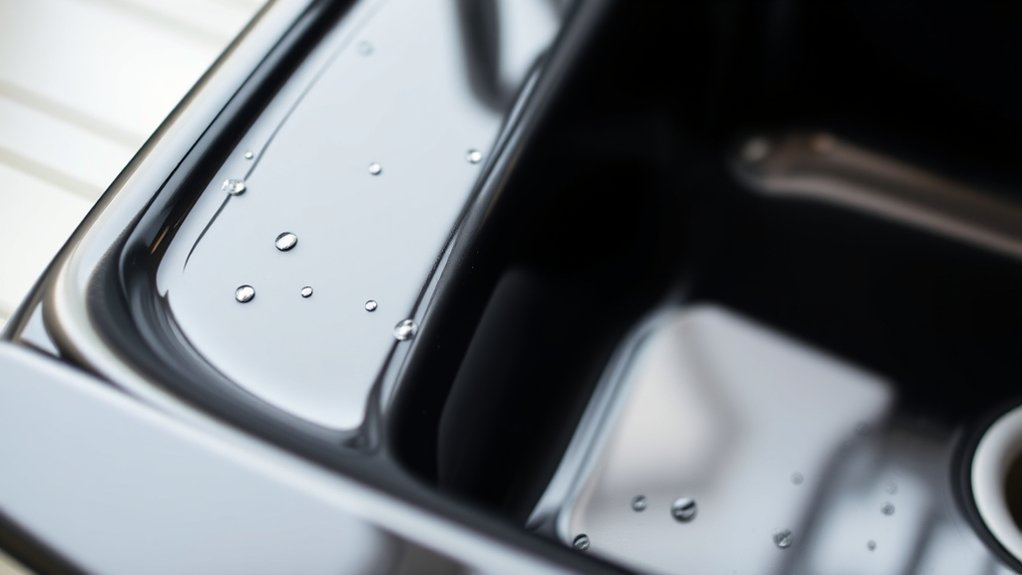
Cast iron enamel sinks are known for their durability and classic look, making them a popular choice in many kitchens. Their enamel coating is tough and can handle daily use, especially if you take good care of it.
The glossy finish adds a timeless touch to your space, and these sinks resist stains and heat well, making them practical for busy kitchens. Just remember, dropping heavy objects can chip the surface and expose the cast iron underneath, which can lead to rust.
To keep your sink looking its best, clean it regularly with non-abrasive cleaners to avoid scratches and maintain its shine. Be sure to dry the sink after cleaning to prevent water spots. With proper care, your cast iron enamel sink can stay beautiful and durable for years to come.
Porcelain and Ceramic Sinks: Style and Longevity
Porcelain and ceramic sinks bring a timeless elegance to your kitchen or bathroom, combining classic style with impressive durability. Their smooth, glossy surfaces add vintage charm, making them perfect if you want a nostalgic feel.
At the same time, these sinks seamlessly blend with modern elegance, offering a sleek, clean look that complements contemporary designs. You’ll appreciate their resistance to stains and ease of cleaning, which helps them stay beautiful over time.
Keep in mind, though, that porcelain and ceramic can chip or crack if struck hard, so gentle handling is essential. They’re also resistant to heat, making them practical for daily use.
Whether you’re restoring a vintage-inspired space or updating a modern home, these sinks provide a versatile option that balances style and longevity. With proper care, porcelain and ceramic sinks can maintain their charm and functionality for years to come.
Solid Surface (Resin) Sinks: Versatility and Upkeep
Solid surface (resin) sinks offer remarkable versatility, making them a popular choice for a wide range of kitchen and bathroom styles. Their design flexibility allows you to customize shapes, colors, and finishes to match your decor perfectly.
One major advantage is surface repair—scratches and minor damages can often be sanded out, restoring the sink’s smooth appearance. These sinks are also durable but require proper upkeep to prevent staining or discoloration.
Here are some key points to consider:
- Customizable design options to fit any aesthetic
- Easy surface repair for scratches and minor damages
- Seamless integration with countertops for a sleek look
- Moderate maintenance requirements to keep them looking new
Copper Sinks: Unique Style and Maintenance Needs
Copper sinks bring a distinctive, warm look that really makes a statement in any kitchen or bathroom. Their rich hue adds character, especially with antique finishes that develop a unique patina over time.
This aging process, called patina aging, boosts the sink’s charm and gives it a vintage vibe that evolves with use. But copper does need regular upkeep to keep its beauty, like gentle cleaning and applying protective coatings.
Here’s a quick table to help you understand the key features:
| Feature | Pros | Cons |
|---|---|---|
| Antique finishes | Unique, evolving look | Needs upkeep for longevity |
| Patina aging | Adds character over time | Can stain if not sealed |
| Maintenance | Easy with proper care | Requires routine cleaning |
While copper offers unmatched style, staying on top of maintenance helps keep your sink both functional and beautiful.
Natural Stone Sinks: Benefits and Limitations
Natural stone sinks give your kitchen a really beautiful and unique look that can totally elevate your space. They’re pretty durable too, but keep in mind that they do need regular upkeep to stay looking their best. Plus, they tend to be a bit pricey and can be a bit tricky to install.
Unique Aesthetic Appeal
Because each natural stone sink is unique, it offers an unmistakable aesthetic appeal that can instantly elevate your kitchen’s design. The artistic patterns and color variations found in natural stone create a one-of-a-kind focal point, adding warmth and character to the space.
You’ll notice how the intricate veining and textures give depth, making your sink stand out. These features turn your sink into a statement piece rather than just a functional element.
To help visualize, here are some key points:
- Artistic patterns boost visual interest
- Color variations add richness and depth
- Each sink is a natural masterpiece
- No two sinks are exactly alike
This individuality makes your kitchen feel personalized and sophisticated, making natural stone sinks an attractive choice for those seeking aesthetic charm.
Durability and Maintenance
Are natural stone sinks a practical choice for everyday use? They can be quite durable if properly maintained.
Natural stone, like granite or marble, offers eco-friendly options since it’s a natural material. But because stone is porous, it needs water resistant coatings to prevent staining and damage.
Regular sealing helps keep its appearance and durability over time, making it easier to clean and less prone to chips or cracks. While they may require more upkeep than stainless steel or composite sinks, with proper care, natural stone sinks can last for decades.
Keep in mind that their resilience depends on the type of stone and the quality of coatings applied. With the right maintenance, you’ll enjoy both beauty and durability in your kitchen.
Cost and Installation
Natural stone sinks tend to have a higher upfront cost compared to materials like stainless steel or composite options, mainly because of the material and craftsmanship involved. While prices are gradually stabilizing, they still represent a significant investment.
Installation can be tricky because of the weight of the stone, which means you’ll need reinforced cabinetry and precise fitting. You might also face challenges with sealing and maintaining the surface to prevent stains.
Keep in mind these factors: the higher initial expense, stable but premium pricing trends, the need for reinforced cabinetry, and ongoing maintenance to avoid stains and damage.
Understanding these points can help you decide if the benefits outweigh the costs and installation efforts for your kitchen.
Fireclay and Enamel-Coated Steel Sinks: What’s the Difference?
When choosing a kitchen sink, understanding the key differences between fireclay and enamel-coated steel options can help you make an informed decision.
Fireclay sinks are made from clay that’s fired at high temperatures, creating a dense, durable material. Its manufacturing process involves shaping the clay and then glazing it, which gives it a glossy, smooth surface that resists stains and scratches.
Enamel-coated steel sinks combine a steel base, usually stainless steel, with a coating of enamel—porcelain-like material applied through a baking process. This makes them lighter and more affordable than fireclay.
However, enamel-coated steel sinks can be prone to chipping or cracking over time. Fireclay offers a classic, high-end look with excellent durability, while enamel-coated steel provides a sleek, modern appearance.
Enamel-coated steel sinks are also easier to install. Your choice depends on your style preferences, budget, and how much wear and tear your sink will endure.
Frequently Asked Questions
Which Sink Material Is Most Eco-Friendly?
You’ll find that stainless steel is the most eco-friendly sink material because of its eco-friendly manufacturing process and recyclability. It’s durable, easy to clean, and can be recycled multiple times without losing quality.
Plus, choosing stainless steel supports sustainability efforts, reducing waste. Its longevity means you won’t need replacements often, which helps minimize environmental impact.
How Do Sink Materials Impact Kitchen Resale Value?
Your choice of sink material can be the cherry on top or a hidden pitfall for resale value. A durable, high-quality material like stainless steel or composite granite boosts resale value, showing you’ve invested in longevity.
These materials withstand daily wear and tear, making your kitchen more appealing to future buyers. Conversely, fragile or outdated materials might turn buyers away, reducing your kitchen’s overall desirability and potential profit.
Are Certain Materials Better for Heavy-Duty Cleaning?
Stainless steel sinks are your best bet for heavy-duty cleaning because they’re super durable and can handle tough scrubbing without getting damaged.
They’re also easy to keep clean—just rinse regularly and give them an occasional polish.
Fireclay and composite granite sinks are durable too, but they might scratch or chip over time.
Can Different Sink Materials Be Combined in One Kitchen?
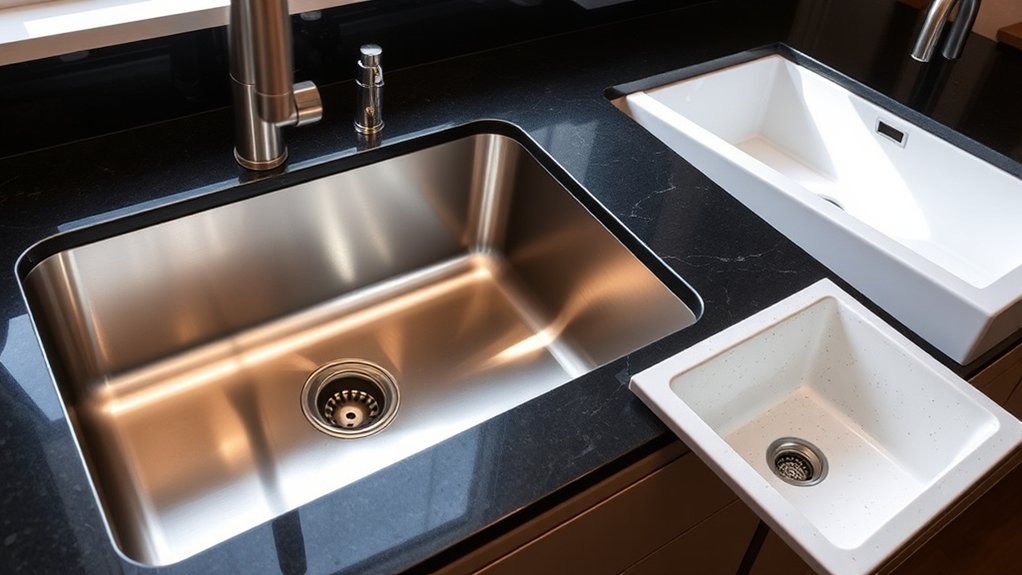
Did you know that mixed material installations are becoming more popular? You can definitely combine different sink materials in one kitchen to create eye-catching aesthetic combinations.
This lets you blend durability with style, like pairing stainless steel with granite or composite options. Just make sure the materials are compatible and installed professionally for a seamless look.
Mixing materials gives your kitchen both functionality and a personalized touch that really stands out.
What Are the Best Soundproofing Options for Various Sink Materials?
You can improve noise reduction by adding a soundproof mat or pad underneath your sink to absorb vibrations. Installing a sink made of sound-absorbing materials like granite or composite also helps quieter operation.
Filling gaps with silicone sealant prevents noise leaks, making sure sound doesn’t escape. Plus, consider choosing a sink with a sound-deadening coating for extra noise reduction.
These methods can make your kitchen much quieter and more comfortable during daily use.
Conclusion
Choosing the right kitchen sink is like selecting a trusted partner—one that matches your style, needs, and lifestyle. Whether you favor the timeless strength of cast iron or the unique charm of copper, each material tells a story.
Remember, your sink isn’t just a fixture. It’s the heart of your kitchen, where countless memories are made. When you pick the perfect material, your sink becomes a steadfast companion in your home’s daily story.
So, choose wisely and let your kitchen sink reflect your personality and everyday life. After all, it’s more than just a sink—it’s part of your home’s soul.