
7 Simple Steps to Unclog Kitchen Sink With Standing Water
Dealing with a clogged kitchen sink with standing water can be super frustrating, and you’re definitely not alone. Many people struggle with slow drainage or foul odors, making everyday chores a hassle. Luckily, there are simple ways to get your sink flowing smoothly again.
To unclog your kitchen sink with standing water, start by diagnosing the cause—look for odors or slow drainage. Next, remove and clean the trap and accessible pipes to clear debris. Use a plunger firmly to loosen the clog, ensuring a good seal.
For natural relief, pour baking soda followed by vinegar, then flush with hot water. If needed, try a DIY drain snake or, for stubborn clogs, consider safe chemical cleaners. Keep watching to unveil more key tips.
Key Takeaways
- Check if the clog is near the drain or further down by looking for water pooling or bubbling. This can help you pinpoint where the blockage is.
- Take out the trap and clean it to remove any debris causing the clog. This simple step often does the trick.
- Use a plunger with a good seal and apply steady pressure. It can help dislodge stubborn blockages in the pipe.
- Try a natural cleaning method with baking soda and vinegar. Let it sit, then flush with hot water to clear out the gunk.
- If the clog is stubborn, insert a DIY drain snake to remove debris. For really tough clogs, chemical cleaners might be necessary.
Diagnose Why Your Kitchen Sink Is Clogged

Have you noticed your kitchen sink draining slowly or not at all? The first step is diagnosing the cause. Poor water flow often signals a clog somewhere in the pipes, while persistent drain odor may indicate a buildup of debris or trapped residue.
Check if water drains more slowly when you use hot water. This can suggest grease or soap scum blocking the pipes.
Hot water draining slowly may indicate grease or soap scum buildup blocking your pipes.
If you smell a foul odor, it’s likely that organic material has accumulated and started to decompose.
Look for signs like water pooling in the sink or a slight bubbling when you run the tap. These clues help you decide whether the clog is near the drain opening or further down the pipe.
Understanding whether the issue stems from a blockage or odor problem guides your next steps. This way, you can target the root cause effectively before trying to clear the drain.
Clear the Trap and Piping to Remove Blockages
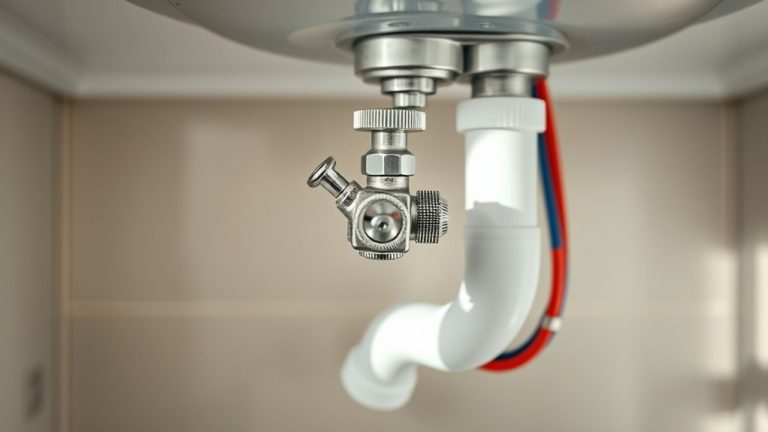
To effectively clear a clog, start by removing and cleaning the trap and accessible piping underneath your sink. Begin with trap inspection to identify any stubborn debris or buildup causing the blockage. Carefully loosen the slip nuts on the trap, then lift it out, revealing trapped gunk.
As you clean the pipes, remove any hair, grease, or food particles clinging inside. Use a brush or cloth to scrub the trap and pipes thoroughly. Clearing these blockages can be an eye-opening experience, revealing the hidden mess causing your drain issues.
Remember, a clean trap and piping restore proper flow and prevent future clogs. Feel the relief as you see the gunk wash away, restoring your sink’s flow. Experience the satisfaction of taking control over your plumbing problems.
Gain confidence knowing you’ve tackled the root cause directly and effectively.
How to Use a Plunger Effectively?

Want to get that drain cleared out? The first thing you want to do is choose the right plunger—usually a flange or cup style that’s made for sinks. It’s super important to make sure the plunger forms a good seal over the drain opening. If it doesn’t seal properly, it’s not going to work as well.
Once you’ve got a good seal, start pushing down with steady, controlled pressure. Don’t go too hard all at once—just steady pushes to build up pressure. With the right technique and the right tool, you’ll be amazed at how effectively you can clear out those stubborn clogs.
Proper Plunger Selection
Choosing the right plunger is essential for clearing a clogged kitchen sink effectively. The key is selecting the appropriate plunger types that create a strong seal and generate enough pressure. When choosing, consider a cup plunger for sinks, which has a flat, rubber cup ideal for flat surfaces.
Make sure to maintain a proper grip—firm but not too tight—to control your plunging motion smoothly. Feel confident knowing you’re taking control of the blockage with the right tools.
With a suitable plunger, you’ll experience less frustration and more success. Feel the satisfaction of a clear sink after just a few confident plunges. Regain control over stubborn clogs that seem impossible to fix.
Save time and money by avoiding unnecessary calls for help.
Correct Plunging Technique
Mastering the proper plunging technique is key to clearing a stubborn sink clog effectively. Start by making sure your plunger grip is firm but comfortable, holding it tightly around the drain to prevent leaks.
Make sure the rubber cup creates a strong seal to maximize pressure. To do this, press the plunger straight down, covering the drain completely without any air gaps.
Use steady, controlled pushes instead of rapid jabs, maintaining consistent force. Keep the seal intact with each thrust, focusing on creating pressure that dislodges the clog.
Avoid breaking the seal, as that reduces effectiveness. Repeat the plunging motion for 15-20 seconds, then lift to see if the water drains.
Proper technique and a good seal are essential for unclogging your sink efficiently.
Natural Ways to Unclog Your Drain With Baking Soda and Vinegar
If your kitchen sink is clogged with standing water, a simple and natural solution involves using baking soda and vinegar. This eco-friendly alternative can often clear minor blockages without harsh chemicals.
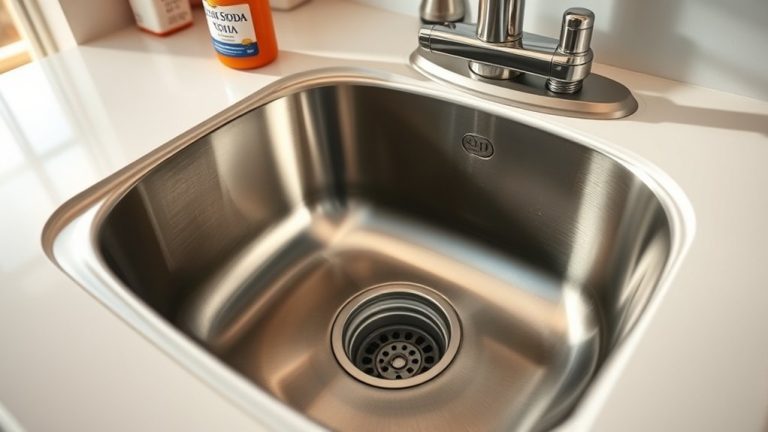
Pour a cup of baking soda directly into the drain, followed by a cup of vinegar. The fizzing action helps loosen debris and break down grime.
Cover the drain with a cloth to keep the reaction contained, and wait about 30 minutes. Then, flush with hot water to clear away residue.
This method not only saves you money but also protects your pipes and the environment. Unlike commercial drain cleaners, which can be corrosive and harmful, baking soda and vinegar are gentle yet effective.
Feel empowered knowing you’re taking a natural step toward a clean, clog-free sink while reducing your exposure to toxic chemicals.
- Experience the satisfaction of a chemical-free fix
- Protect your family and environment
- Save money with simple household ingredients
DIY Drain Snakes for Tough Clogs
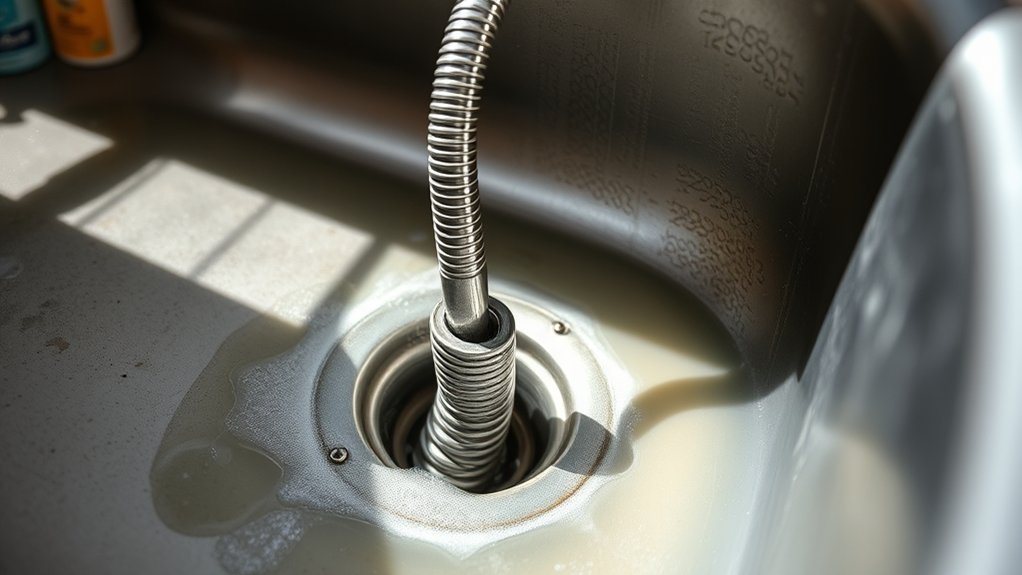
When faced with stubborn clogs that won’t budge with household remedies, making your own drain snake can be a great fix. Using DIY tools, you can craft a simple drain snake from common household items like a wire hanger or a long, flexible piece of tubing.
Start by straightening the wire hanger, then create a small hook at one end to grab debris or hair causing the clog. Insert your homemade tool into the drain and gently twist or pull to break up or retrieve the clog.
This method is a practical way to troubleshoot clogs, saving you both money and time. Be patient and avoid forcing the tool, as that could damage your pipes.
Keep in mind that DIY drain snakes work best on minor blockages. For tougher or deeper clogs, professional tools or help might be necessary.
With a little ingenuity, you can often tackle many clogs effectively using DIY tools.
When and How to Safely Use Chemical Drain Cleaners?
While homemade tools can handle minor clogs effectively, chemical drain cleaners are often used for tougher blockages that resist manual methods. However, it’s important to prioritize safety when using these products.
Always read and follow the label instructions carefully, and wear gloves and eye protection to prevent splashes that could be harmful. Consider trying drain cleaner alternatives like baking soda and vinegar first to avoid unnecessary chemical exposure.
Be aware of the risks: harsh chemicals can damage pipes, harm the environment, and pose health hazards if misused. Only use chemical drain cleaners if other methods have failed and the clog is severe.
Never mix different chemical products, as dangerous reactions can happen. If you decide to go ahead, pour the cleaner slowly and avoid inhaling fumes.
Prevent Future Clogs With Simple Sink Maintenance
Regular sink maintenance is key to preventing future clogs and keeping your pipes flowing smoothly. Make a habit of clearing out debris and avoiding grease or food particles that can cause blockages.
Use a drain strainer to catch particles before they go down the drain, and clean it regularly to keep things flowing. Good kitchen hygiene also helps reduce clogs from soap scum or leftover food.
Avoid pouring fats, oils, or coffee grounds down the drain since they tend to stick and build up over time. Running hot water after each use can flush away small particles and help keep your pipes clear.
Periodically, pour a mix of baking soda and vinegar into the drain to break down any buildup. Regular drain maintenance and good kitchen habits will keep your sink draining freely and prevent future clogs.
Frequently Asked Questions
Can a Clogged Kitchen Sink Cause Unpleasant Odors?
Yes, a clogged kitchen sink can cause unpleasant odors. When water sits in the drain, it creates a perfect environment for bacteria to grow and odors to build up.
Over time, these smells can start to come from your sink, making your kitchen less inviting. To avoid that, it’s a good idea to clear out clogs regularly and clean the drain.
Be careful not to dump greasy or food waste down the sink, as these can contribute to the smell and help bacteria thrive. Acting quickly can help keep your kitchen smelling fresh and clean.
How Long Should I Wait After Using Baking Soda and Vinegar?
After using baking soda and vinegar, wait about 15 to 30 minutes for them to work through the pipe. This gives the chemical reaction time to break down the clog effectively.
While waiting, you can set up other DIY methods or just relax. When you’re ready, flush with hot water to clear away any loosened debris.
Being patient here helps ensure your kitchen sink drains smoothly again without resorting to harsh chemicals.
Are There Any Safety Tips for DIY Drain Cleaning?
When doing DIY drain cleaning, prioritize safety by wearing protective gear like gloves and goggles to prevent chemical splashes. Always read and follow the instructions on any cleaning product to guarantee proper chemical safety.
Work in a well-ventilated area to avoid inhaling fumes. If you’re using chemical drain cleaners, handle them carefully and keep them away from children and pets.
How Often Should I Perform Sink Maintenance?
You should perform sink maintenance regularly, ideally once every few months.
Check for slow drains or odors, which might be signs of a clog.
Using drain screens and avoiding grease buildup help prevent issues.
This preventative care keeps your pipes clear and working well.
Regular upkeep reduces the chances of big clogs and extends your drain’s life.
Staying consistent with maintenance ensures your sink functions smoothly and prevents unexpected backups.
What Signs Indicate a Professional Plumber Is Needed?
When your sink acts up and simple fixes don’t do the trick, it’s time to call in a professional plumber. Signs include persistent clogs, slow drainage, or foul odors, especially during emergency situations.
You’ll want someone with professional tools to tackle stubborn issues safely. If you notice water backing up or leaks appearing, don’t delay—professional help guarantees your plumbing stays in top shape and avoids further complications.
Conclusion
So, after all that effort, you’ve learned how to tackle that stubborn clog. Ironically, the simplest solutions like regular maintenance and natural remedies are often overlooked. Yet, they’re actually the best defense.
Instead of relying on harsh chemicals, just remember to keep your drain clear and avoid pouring grease down the sink. A little prevention can save you from a mountain of trouble.
It’s almost poetic how a simple habit can prevent big problems. Keeping your drain clean with simple steps is key to unclogging your kitchen sink with standing water.