How to Get Rid of Unpleasant Smells in Your Kitchen Sink Drain
Many homeowners struggle with unpleasant smells coming from their kitchen sink drain, and you’re definitely not alone. That persistent odor can be frustrating, especially when it lingers despite regular cleaning.
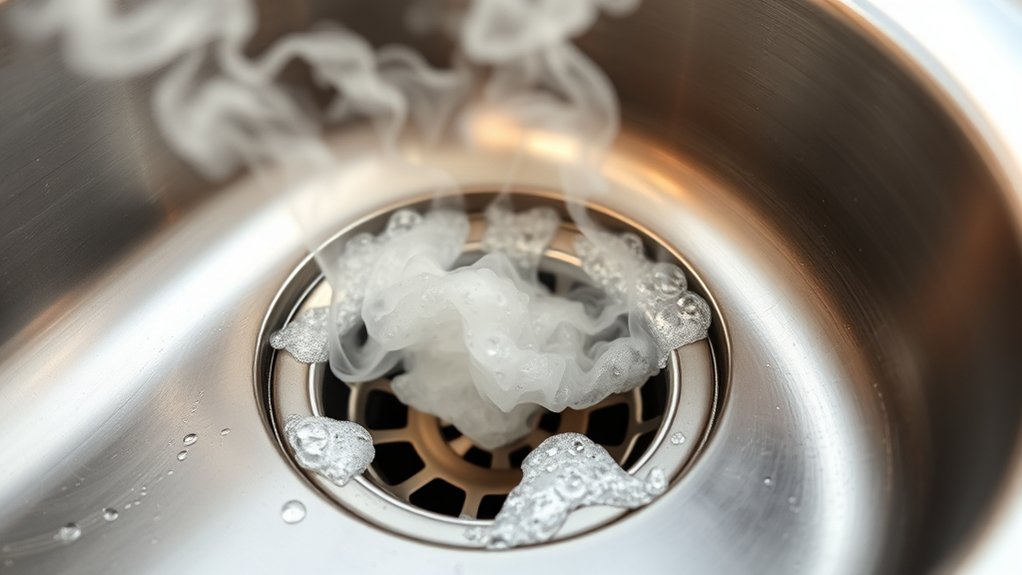
To get rid of unpleasant smells in your kitchen sink drain, start by cleaning it with natural solutions like baking soda and vinegar, which neutralize odors and break down grime. You can also pour hot water mixed with salt to dissolve organic buildup.
Avoid harsh chemicals and regularly flush your drain with hot water to prevent future odors. If the smell persists, there are more effective tips that can help you keep your drain fresh and odor-free.
Key Takeaways
- Regularly flush the drain with hot water and salt or baking soda to help dissolve buildup and neutralize odors.
- Use natural cleaning methods like baking soda and vinegar to break down grease and get rid of smells.
- Remove debris and trap buildup by using a plunger or drain snake, then clean with natural solutions.
- Keep up with drain hygiene by cleaning drain covers and avoiding pouring grease down the sink.
- If the smell sticks around, it might be time to call a plumber to check for hidden clogs or venting problems.
Why Does Your Kitchen Sink Smell Bad?

A foul smell coming from your kitchen sink is often caused by debris, mold, or bacteria building up in the drain and trap. Over time, food particles, grease, and soap scum gather, creating a perfect environment for odor-causing bacteria.
Neglecting regular cleaning and maintenance of your appliances makes the problem worse. Your kitchen décor, especially open shelving or fixtures near the sink, can trap moisture and dirt, making smells more intense.
Ignoring regular cleaning worsens odors; nearby decor can trap moisture, intensifying unwanted smells.
When these elements combine, they produce a persistent sour odor that’s hard to ignore. Stagnant water in the trap can also harbor bacteria and mold, releasing bad smells each time you use the sink.
Keeping your sink clean isn’t just about looks; it’s essential for maintaining a fresh-smelling kitchen. Regularly inspecting and cleaning your drain, along with proper appliance care, helps prevent these odors from taking over your space.
How to Tell If Buildup Is Causing Your Drain Odor
Detecting if buildup is causing your drain odor involves paying attention to some telltale signs. You might notice a persistent smell even after cleaning or a sink that drains slowly, hinting at trapped debris.
Buildup often traps organic matter, which releases foul odors over time. Look for signs like gurgling sounds or a cloudy ring around the drain to identify if buildup is the culprit.
Using eco-friendly cleaning methods can help break down residue safely and effectively. You can also try odor absorption techniques, like placing natural materials such as baking soda or activated charcoal near the drain.
Easy DIY Fixes: Clean Your Sink Drain With Baking Soda and Vinegar
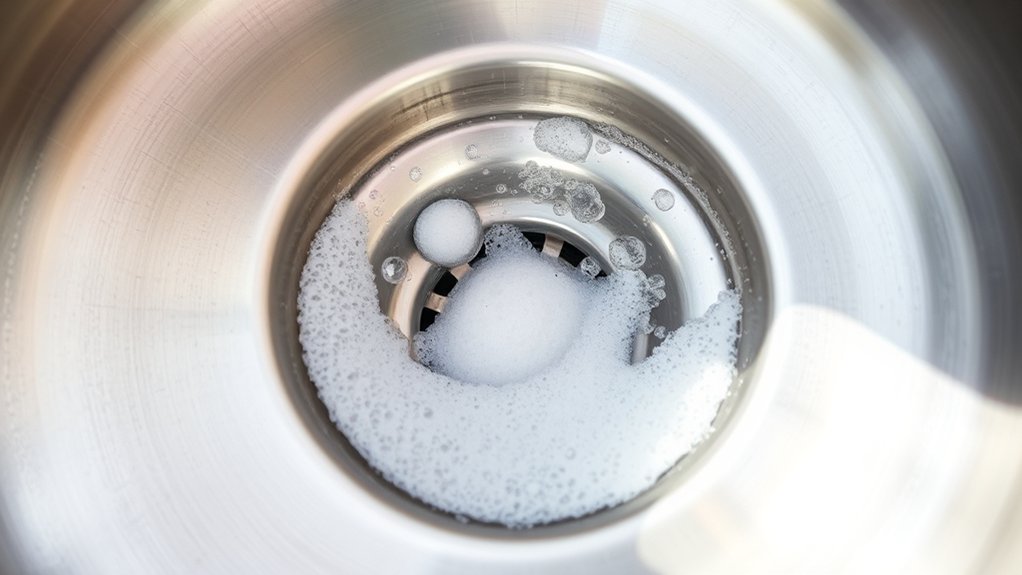
Baking soda is awesome at neutralizing odors, so it’s perfect for making your sink smell fresh again. When you mix it with vinegar, they create a fun fizzing reaction that really helps break down grime and buildup.
Together, these simple ingredients are a natural and effective way to clean your drain and get rid of any unpleasant smells. It’s an easy DIY fix that you can do anytime!
Baking Soda’s Odor Neutralizing Power
When it comes to neutralizing odors in your kitchen sink drain, baking soda is an effective and inexpensive solution. Its natural properties help absorb and eliminate unpleasant smells, making it a handy tool for keeping your kitchen smelling fresh.
Plus, it’s a great addition to your cooking tips for maintaining a clean, fresh kitchen after meal prep. Simply sprinkle a generous amount of baking soda directly into the drain and let it sit for a few minutes.
Its alkaline nature neutralizes acidic odors caused by food debris and grease. When combined with vinegar, baking soda creates a fizzing reaction that cleans and freshens the drain thoroughly.
This simple DIY fix keeps your sink smelling great and is a quick way to improve your kitchen environment.
Vinegar’s Cleaning Effect
Vinegar’s natural acidity makes it a powerful ally in cleaning your kitchen sink drain. Its properties help break down grease, grime, and mineral buildup that can cause odors.
When combined with baking soda, vinegar creates a fizzing reaction that lifts debris from the pipes, improving overall drainage. It effectively dissolves organic matter trapped in the drain, reducing foul smells at their source.
Vinegar’s strong scent also helps mask lingering odors, leaving your sink smelling fresh. Regular use of this DIY solution can prevent buildup and keep your drain cleaner and odor-free.
Using Hot Water and Salt to Freshen Your Sink
To quickly neutralize odors in your kitchen sink drain, pouring hot water combined with salt can be surprisingly effective. The effectiveness depends on your sink material, so use caution.
For metal sinks, hot water and salt work well without risk of damage. If you have a porcelain or composite sink, make sure the water isn’t boiling to prevent cracks.
Use the right salt type—coarse sea salt or rock salt dissolves more slowly and provides better scrubbing action, while finer table salt dissolves easily.
To try this method, boil water and pour it slowly down the drain, then follow with a generous sprinkle of salt. Let it sit for a few minutes before rinsing with more hot water.
This simple mixture helps break down organic buildup that causes odors, freshening your drain naturally. Regular use can keep your sink smelling clean without harsh chemicals.
How to Clear Grease and Debris Clogs That Cause Odors
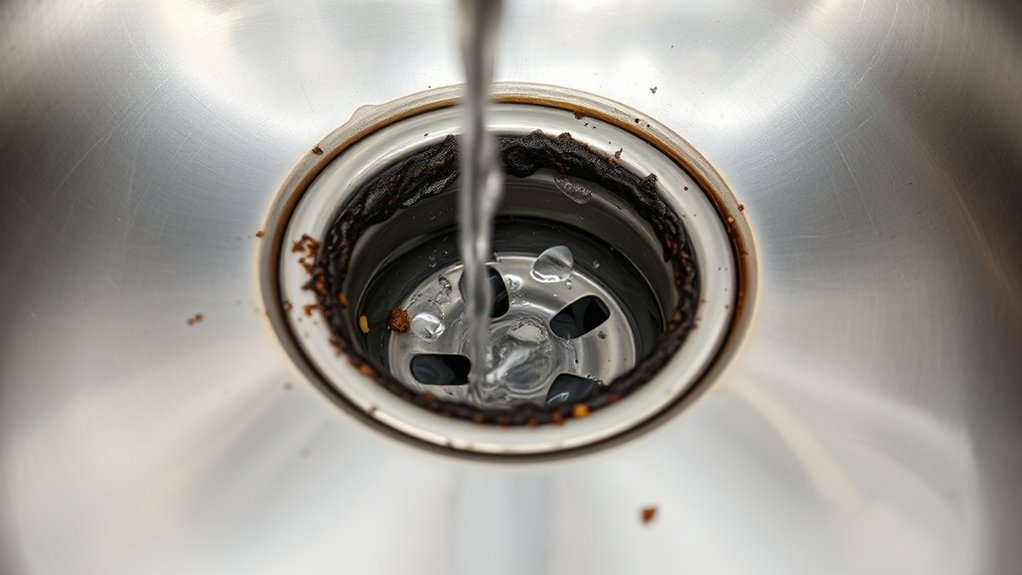
To get rid of those unpleasant odors caused by clogs, start by removing any excess grease from the drain. You can do this with a paper towel or a cloth, just to clear out the surface build-up.
After that, grab a tool like a plunger or a drain snake and carefully work to dislodge any debris that’s stuck inside. Manually clearing out these blockages helps the water flow smoothly again and gets rid of the bad smells.
Remove Excess Grease
Grease buildup is one of the main causes of unpleasant odors in your kitchen sink drain, and tackling it promptly can prevent clogs and foul smells. To remove excess grease, start by avoiding pouring fats down the drain, especially if you have a garbage disposal.
Instead, let the grease cool and solidify, then dispose of it in the trash. Regular plumbing maintenance helps keep grease from accumulating. You can also run hot water down the drain for a minute after each use to help wash away residual grease.
Furthermore, consider periodically flushing the drain with a mixture of baking soda and vinegar to break down grease buildup. Proper maintenance and mindful disposal are key to keeping your sink smelling fresh and functioning smoothly.
Dislodge Debris Build-up
Over time, debris like food particles, hair, and grease can build up and cause stubborn clogs in your drain. This can lead to unpleasant odors that are hard to ignore.
To get rid of this build-up, start by pouring a mix of hot water and baking soda down the drain. This helps loosen the debris. Then, add vinegar to break down grease and grime.
Next, use a plunger to apply pressure and dislodge those stubborn clogs. Regularly preventing clogs involves avoiding pouring grease down the drain and cleaning the drain stopper.
Visualize the process with this table:
| Debris Type | Removal Method | Result |
|---|---|---|
| Food particles | Hot water + baking soda | Loosens debris |
| Hair | Manual removal or plunger | Clears clogs |
| Grease | Vinegar + hot water | Dissolves grease |
Following this routine keeps your drain clear and odor-free.
Natural Ways to Kill Germs and Bacteria in Your Drain
When it comes to keeping your drain clean and odor-free, natural methods can be surprisingly effective at killing germs and bacteria. Using simple household ingredients not only keeps your drain fresh but also fits with eco-friendly kitchen decor and easy appliance maintenance.
To disinfect naturally, try these options:
- Vinegar and Baking Soda: Pour baking soda down the drain, then follow with vinegar. Let it fizz for a few minutes, then rinse with hot water. This combo kills bacteria and neutralizes odors.
- Lemon Juice: Squeeze lemon into the drain or toss in lemon peels. The natural acids disinfect and leave a fresh scent.
- Hydrogen Peroxide: Pour a small amount into the drain and let it sit for several minutes before rinsing. It’s a safe way to eliminate germs without harsh chemicals.
These methods are simple, effective, and safe for your kitchen decor and appliance maintenance routines.
When and How to Use Drain Cleaners Safely
You really want to use drain cleaners only when you absolutely need to. It’s best to follow the instructions on the label so you don’t accidentally damage your pipes. Picking a product that’s safe for both your plumbing and the environment is a smart move, too. And don’t forget to read the label carefully before using it—knowing how and when to use it makes a big difference.
If you’re in a pinch and need to act quickly, it’s good to have a plan. Just be sure to stay safe and avoid making the clog worse or risking harm to yourself. A little caution goes a long way!
Proper Usage Timing
To use drain cleaners safely, timing is key. Knowing the right timing strategies helps prevent damage and keeps things working smoothly.
First, avoid using chemical cleaners too often; a good rule of thumb is to limit usage to once a month or less. Second, wait at least 24 hours after a cleaning before trying another treatment to prevent buildup of harsh chemicals.
Third, check your drain’s condition. If smells stick around after initial attempts, consider alternative methods instead of relying on chemicals too often. Proper timing helps you avoid unnecessary use, reducing the risk of pipe damage.
Choosing Safe Products
Choosing the right drain cleaning products is essential for maintaining a safe and effective kitchen sink. You should prioritize eco-friendly solutions and chemical-free alternatives whenever possible, especially for regular maintenance.
These options are safer for your family, pets, and the environment, reducing the risk of harmful residues and reactions. When selecting a product, check labels carefully to confirm it’s non-toxic and free from harsh chemicals.
Use drain cleaners only as directed, avoiding excessive use, which can damage pipes over time. Always wear gloves and ensure good ventilation. If you’re unsure, try natural methods like baking soda and vinegar first.
Handling Emergency Situations
When a drain gets severely clogged or smells bad, using chemical drain cleaners can be a quick fix—if you’re careful. Before you start, make sure your kitchen is organized to prevent spills or accidental contact.
Always read the labels carefully and follow safety instructions. Wear gloves and eye protection, and keep children and pets away from the area.
Remember, chemical cleaners are strong but can damage your pipes if used improperly. This could cause problems with your appliances over time.
Use drain cleaners only as directed and avoid mixing different products. Pour slowly to prevent splashing and control fumes.
After using the cleaner, rinse thoroughly with hot water to clear away any residues. Handling these situations responsibly helps keep your kitchen safe and odor-free while protecting your plumbing.
Preventative Tips to Keep Your Sink Smelling Fresh
Regularly maintaining your sink can prevent unpleasant odors from developing in the first place. Start by running hot water after each use to flush away food particles and grease that can cause smells.
Regular sink maintenance prevents odors by flushing away food particles and grease after each use.
Incorporate simple cleaning routines, like weekly baking soda and vinegar treatments, to break down buildup in the drain. Keeping your sink area tidy and clutter-free makes it easier to spot potential issues early.
When cooking, avoid pouring fats or oils down the drain since they solidify and trap debris, leading to odors. Use a sink strainer to catch food scraps and prevent clogs.
Also, keep the drain cover clean and dry to discourage mold and bacteria growth. These small but consistent habits will help your sink stay fresh, reducing odors without harsh chemicals or frequent deep cleaning.
Common Mistakes That Make Drain Odors Worse
One of the biggest mistakes that can worsen drain odors is using harsh chemical cleaners frequently. These can damage your pipes and kill beneficial bacteria that naturally break down organic matter. Relying solely on chemical solutions might mask smells temporarily but can lead to more stubborn odors over time.
Neglecting proper appliance maintenance can also cause buildup that makes smells worse.
Avoid these common errors:
- Using strong chemicals too often, which can corrode pipes and harm the natural microbiome that keeps drains fresh.
- Ignoring regular cleaning of kitchen decor around the sink, allowing grime and grease to accumulate and contribute to odors.
- Forgetting to routinely run hot water or clean your garbage disposal, which can lead to stubborn smells and inefficient appliance performance.
Steering clear of these mistakes helps keep your sink smelling fresh, protects your plumbing, and keeps your kitchen decor inviting.
What to Do When Odors Persist: Troubleshooting or Call a Plumber
If you’ve tried cleaning and troubleshooting your drain without success, persistent odors might mean there’s a deeper problem that needs professional help. Sometimes, buildup or a hidden clog requires expert plumbing maintenance to fix.
Persistent drain odors may indicate a hidden clog or deeper plumbing issue requiring professional repair.
Before calling a plumber, check for other sources of the smell, like a dry trap or venting issues. While you’re waiting, you can use air fresheners to mask the odor temporarily, but this isn’t a long-term fix.
If odors keep coming back despite your efforts, it’s best to contact a licensed plumber. They can diagnose and repair underlying problems like pipe damage or sewer backups.
Addressing these issues quickly helps prevent further damage and ensures your drain works properly. Remember, professional plumbing maintenance not only gets rid of persistent odors but also keeps your entire drainage system in good shape.
Don’t delay if the smell persists. It could be a sign of a more serious plumbing problem.
Frequently Asked Questions
Can Food Scraps Cause Persistent Sink Odors?
Yes, food scraps can cause persistent sink odors. When food waste builds up in your drain, it encourages bacteria to grow, which can produce unpleasant smells.
These bacteria feed on the debris, creating foul odors that tend to stick around. To keep your sink smelling fresh, it’s a good idea to clean your drain regularly and avoid letting food waste sit there.
Proper maintenance helps control bacteria growth and prevents these stubborn odors from lingering.
How Often Should I Clean My Drain to Prevent Smells?
To keep your sink smelling fresh, aim to clean it once a week. This helps prevent odor-causing bacteria from settling in and creating a stinky mess.
Regularly flushing your drain with hot water and a mix of baking soda and vinegar can break down buildup and keep smells away.
Sticking to this routine is key—staying consistent ensures your kitchen stays inviting and odor-free.
Are Commercial Drain Deodorizers Effective Long-Term?
Commercial drain deodorizers can be somewhat effective in the short term, but they aren’t a long-term fix for odor problems. You really need regular drain cleaning and proper maintenance to keep smells away for good.
Overusing deodorizers might cause buildup or even damage your pipes. It’s a good idea to mix them with natural remedies like baking soda and vinegar for better results.
Consistent drain cleaning helps prevent odors from forming in the first place. That way, your sink stays fresh and odor-free over time.
Does Water Temperature Affect Odor Elimination?
Water temperature does matter when tackling drain odors. Hot water effectively loosens grease and debris, helping to eliminate smells. But its success depends on water hardness and pH balance.
Hard water with high mineral content can hinder this process, while balanced pH levels improve it. So, if you’re not seeing results, try adjusting the water temperature or treating your water to optimize odor removal and prevent future smells.
Can a Damaged or Blocked Vent Pipe Cause Smells?
Yes, a damaged or blocked vent pipe can cause smells in your sink. Vent blockages stop proper airflow, which can lead to pressure build-up. This pressure can cause foul odors to escape through the drain.
Pipe damage can also create leaks or openings that emit unpleasant smells. It’s a good idea to check your vent pipe for blockages or damage. If you find any issues, consider calling a professional to fix them. This will help prevent smells and make sure your drainage works properly.
Conclusion
To keep your kitchen sink smelling fresh, regular maintenance is essential. Surprisingly, about 60% of homeowners miss simple cleaning routines that can prevent odors from forming.
Using DIY solutions like baking soda and vinegar is an effective way to combat unpleasant smells. Just avoid harsh chemicals, which can sometimes do more harm than good.
If odors persist, they might signal deeper plumbing issues that need professional attention. Staying proactive with preventative tips ensures your sink stays clean and odor-free.
This simple approach to maintaining your sink can make your kitchen a more pleasant space every day, especially when it comes to getting rid of unpleasant smells.