What Happens When You Put a Cooling Rack in the Oven?
Many home bakers and cooks have faced the frustration of using the wrong rack in the oven, only to end up with warped pans or safety concerns. You’re not alone—figuring out which racks are oven-safe can be confusing.
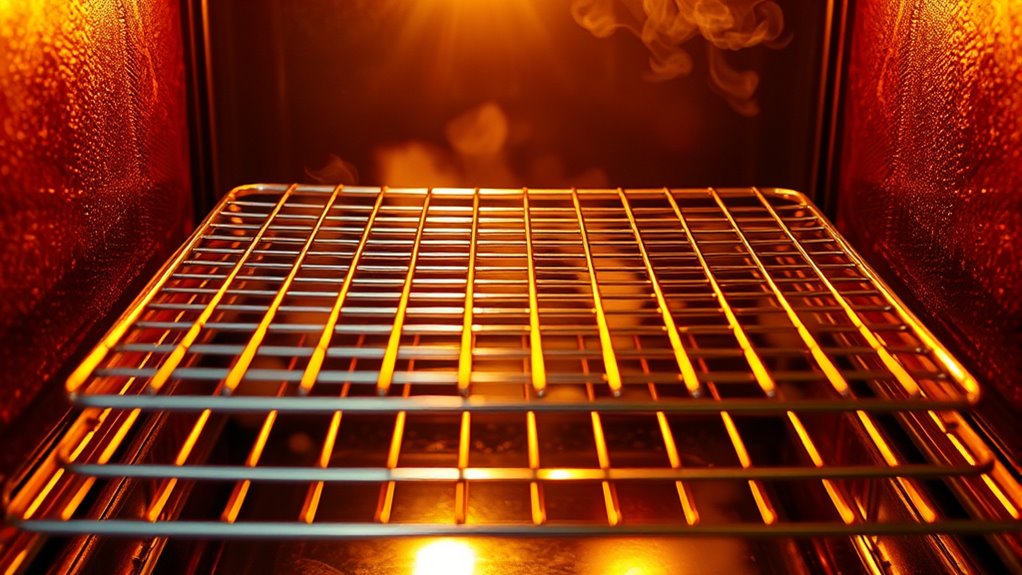
When you put a cooling rack in the oven, the high heat can cause it to warp, melt, or release harmful fumes if it’s not oven-safe. Metal racks like stainless steel usually handle heat well, but plastic or coated racks may become unsafe.
Using the wrong rack can damage your food, your oven, or cause safety hazards. To learn how to use racks safely and effectively, keep exploring the details ahead.
Key Takeaways
- The cooling rack heats up and can handle oven temperatures if made from oven-safe materials like stainless steel or silicone-coated surfaces.
- Metal racks help with even heat circulation, which helps baked goods bake or cool evenly.
- Non-oven-safe materials, like plastic or coated racks, can melt, warp, or release harmful fumes when heated.
- Proper placement of racks prevents sogginess, helps make things crispy, and improves your baking results.
- Using the wrong rack material or placing it improperly can be unsafe or cause damage to your oven and baked items.
Why Do People Put Cooling Racks in the Oven?
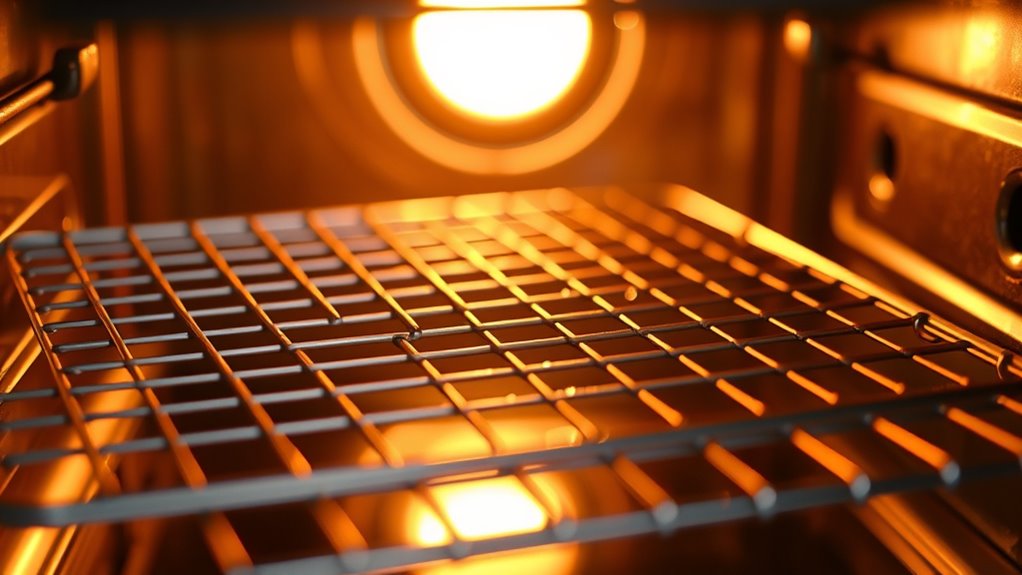
People put cooling racks in the oven mainly to achieve even heat circulation around baked goods. When you use a heat-resistant cooling rack, hot air can flow freely around the food, helping it bake or reheat evenly.
This technique is especially useful when you want baked items to stay crispy or avoid getting soggy. Choosing the right materials is important for oven safety; metal racks like stainless steel or aluminized steel can handle high temperatures without warping or releasing harmful chemicals.
Using a suitable rack ensures you don’t risk damaging your oven or ruining your baked goods. Putting a cooling rack in the oven can also speed up reheating or drying processes, making it a handy tool in your kitchen.
Just be sure your cooling rack is oven-safe to prevent accidents or damage. Properly chosen materials help you bake better and keep everything safe.
What Materials Are Cooling Racks Made Of?
Cooling racks are usually made from metals like stainless steel, chrome-plated steel, or aluminum. These materials are popular because they can handle heat well and are pretty durable. When you’re choosing a rack, it’s important to think about safety — make sure the material can stand up to oven temperatures without releasing any harmful substances. Knowing what materials are used helps you pick the right rack for oven use, so you don’t have to worry about damage or health risks.
Common Materials Used
Most cooling racks are made from a few common materials that balance durability, heat resistance, and ease of cleaning. You’ll find options like stainless steel, which is sturdy and resists warping, making it great for artistic displays and decorative patterns.
Aluminum racks are lightweight and heat quickly but may warp over time. Chrome-plated steel offers a shiny finish that’s easy to clean, while silicone-coated racks provide non-stick surfaces.
For a touch of elegance, some racks feature intricate designs or decorative patterns, often crafted from durable metals. Each material serves different needs, whether for everyday baking or creating visually appealing displays.
Choosing the right material depends on your baking habits and aesthetic preferences.
Material Safety Considerations
When choosing a cooling rack, it’s important to consider what materials it’s made from, especially since it will be exposed to hot oven temperatures. Not all materials are suitable for oven use, which can affect how long your rack lasts and whether it’s compatible with oven baking.
Metal racks like stainless steel or aluminized steel are heat-resistant and sturdy, making them safe to put in the oven. But plastic or coated racks might melt or release harmful fumes when exposed to high heat.
Here’s a quick look at common materials:
| Material | Cooling Rack Longevity | Material Compatibility |
|---|---|---|
| Stainless Steel | High | Oven-safe and durable |
| Aluminum | Moderate | Oven-safe and lightweight |
| Plastic | Low | Not oven-safe |
| Coated Metal | Varies | Check coating safety |
| Silicone | Low | Not oven-safe at high temps |
How Does Heat Affect Cooling Rack Materials?
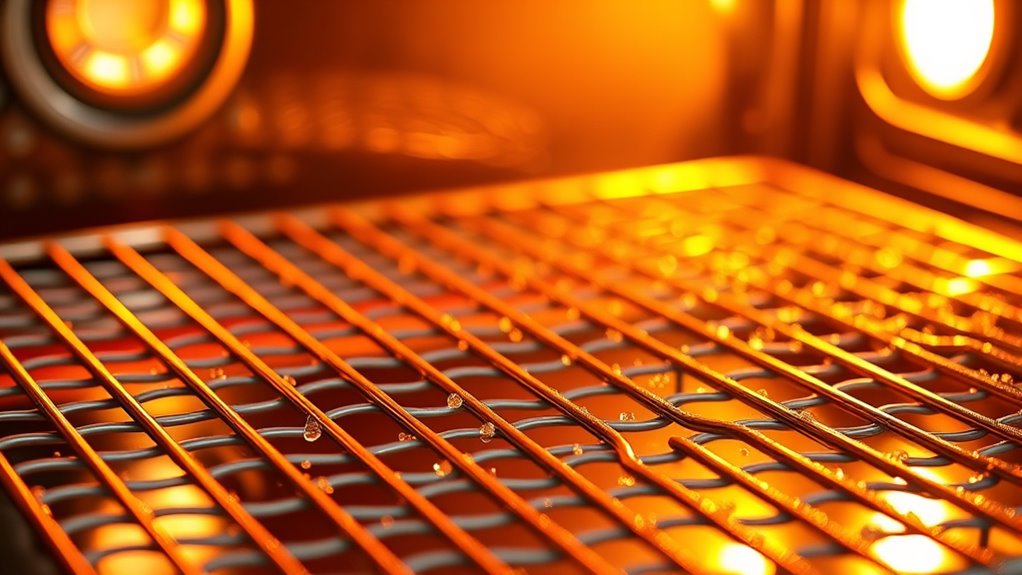
Understanding how heat affects cooling rack materials is important if you want to use them in the oven. Heat can impact the durability of your rack and cause the material to expand. Different materials react differently to high temperatures, which affects how well your rack holds up.
Knowing how heat affects cooling racks helps ensure safe, durable oven use and longer-lasting kitchen tools.
Metal racks, like stainless steel, can handle high heat with minimal expansion, so they stay strong. Aluminum racks expand more noticeably, which can weaken their stability over time. Non-stick coatings might degrade or peel at oven temperatures, reducing their lifespan.
Wire racks could bend or warp if exposed to excessive heat or uneven heating. Plastic or silicone racks aren’t oven-safe and can melt, creating safety hazards and damaging your equipment. Being aware of these effects helps you pick the right rack for oven use.
Choosing the right material ensures safety and durability. Proper selection prevents warping, extends the lifespan of your rack, and keeps your cooking process smooth.
Is It Safe to Use a Cooling Rack in the Oven?
Using a cooling rack in the oven can be safe, but only if the rack is made from oven-safe materials and used properly. Many racks are made of stainless steel or nickel, which can handle high temperatures without releasing harmful chemicals.
However, some cooling racks are made from materials like plastic or coated metals that aren’t meant for oven use. These can melt or release fumes when heated. Always check for manufacturer instructions or labels indicating oven safety before placing a rack in the oven.
Safety tips include avoiding racks with non-oven-safe coatings, making sure the rack is clean, and not exceeding the recommended temperature limits. Also, think about whether the rack’s design supports even heat distribution and stability at high temps.
When in doubt, choose racks that are explicitly labeled oven-safe. This helps prevent accidents or damage. Proper use and knowing the material can keep your oven experiments safe and successful.
Can Placing a Cooling Rack in the Oven Improve Baking Results?
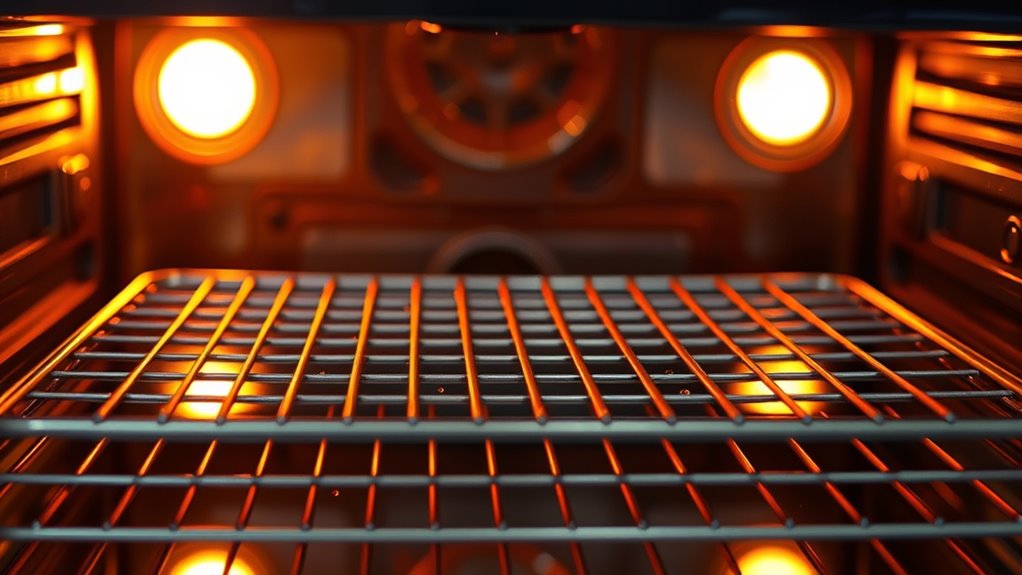
Using a cooling rack in the oven might sound a bit unusual, but it can actually help with your baking. It helps distribute heat more evenly, so you’re less likely to get those hot spots that can mess with your baked goods.
Plus, it boosts airflow around whatever you’re baking, which can lead to better browning and a nice, crispy crust. Overall, placing a cooling rack in the oven can really make your baked treats turn out more consistent and just better all around.
Even Heat Distribution
Placing a cooling rack in the oven can actually help improve heat distribution around your baked goods. It allows heat to circulate more evenly, reducing hot spots that can cause uneven baking. Just be mindful of surface rust or chemical coatings on old racks, which may emit unwanted fumes when heated.
Using a clean, rust-free rack guarantees safety and consistent results. Here are some benefits:
- Promotes uniform browning
- Prevents soggy bottoms
- Distributes heat more evenly
- Reduces the risk of burning
- Ensures thorough cooking throughout
This method works best with racks free of surface rust or chemical coatings that could degrade at high temperatures. Properly cleaned racks provide a safe and effective way to achieve consistent, professional-looking baked goods every time.
Enhanced Airflow Benefits
Have you ever thought about how airflow can change your baking results? Putting a cooling rack in the oven helps air circulate around your baked goods, making sure they cook evenly and brown nicely.
The rack’s durability means it can handle high temperatures without warping, so it keeps working well over time. Better airflow also helps control the oven’s temperature, avoiding hot spots and ensuring your treats bake uniformly.
This technique is especially great for getting crispy crusts and thorough internal cooking. Elevating your baked items on a sturdy cooling rack lets hot air flow freely, reducing moisture buildup.
Because of this, your baked goods will have better texture and appearance, making your efforts more consistent and predictable. Using a cooling rack in the oven truly takes your baking to the next level.
What Are the Risks of Using a Cooling Rack in the Oven?
One of the main risks of putting a cooling rack in the oven is that many racks are made from materials not designed to withstand high temperatures. This can cause warping or melting, which isn’t safe for your food. If the rack degrades, it might transfer harmful substances to what you’re cooking.
Material durability is another big issue. Cheap or inappropriate racks can bend or break under heat, risking contamination or accidents. Be aware of these risks to avoid equipment failure or health problems.
Risks include the rack warping or melting, which compromises its structure. There’s also a danger of food safety hazards from leaching or chemical release. Damage to your oven can happen if the rack melts or fumes are released.
Using the wrong rack can lead to reduced durability, meaning you’ll need to replace it often. Plus, warped or unstable racks can cause uneven cooking, affecting your results. Knowing these dangers helps you pick the right, heat-safe, durable materials for oven use.
How Can You Prepare a Cooling Rack for Oven Use Safely?
Before you toss your cooling rack into the oven, give it a good clean first. Make sure to scrub away any dirt or leftover grease so it’s nice and fresh. You don’t want anything that might smoke or cause fumes while baking, right?
Also, take a quick look to see if there are any coatings or finishes on the rack. Sometimes, racks have a non-stick coating or paint that isn’t meant for high heat. Removing those ensures nothing burns or releases nasty fumes during your baking session.
Clean Thoroughly Before Use
Start by washing the cooling rack thoroughly with warm, soapy water to remove any dust, grease, or manufacturing residues. This step is essential to guarantee safety and cleanliness before oven use.
As you clean, consider the variety of cooling rack types and how they might affect cleaning methods. Use a scrub brush or sponge for stubborn grime.
Rinse well to remove soap residue and dry completely to prevent rust. Check for any remaining debris, especially in crevices.
Make sure the rack complements your kitchen decor and fits your oven. Properly cleaning your cooling rack guarantees it’s safe for oven use and maintains its appearance.
This preparation helps prevent unwanted smoke or odors during baking.
Remove Any Residual Coatings
Check the cooling rack carefully for any residual coatings from manufacturing or previous use. These coatings can sometimes be made of non-food-safe materials or leftover fats and residues. Removing them guarantees your rack is safe for oven use and prevents unwanted flavors or chemicals from contaminating your baked goods.
To keep your kitchen organized, designate a specific storage solution for oven-safe racks, separate from other cookware. Before use, scrub the rack with hot, soapy water and a brush to remove any lingering coatings or debris. Rinsing thoroughly is essential.
Proper preparation not only improves safety but also prolongs the life of your cooling rack. This simple step helps ensure your kitchen organization remains efficient and your oven-ready racks are always safe to use.
Tips for Using Cooling Racks in the Oven Effectively
Using a cooling rack in the oven can be safe and effective if you follow a few key tips. First, make sure your rack is oven-safe to avoid any accidents. To get the most out of your baking, consider customizing your rack with non-stick coatings or oven-safe silicone mats. This helps prevent sticking and makes cleanup easier.
Here are some tips to maximize effectiveness: Use racks with enough gaps for even heat circulation. Elevate racks on a baking sheet to catch drips. Avoid overcrowding to promote good airflow. Adjust the rack position based on what you’re baking. Experiment with different rack designs for various recipes.
These small adjustments can improve your baking results, turning simple cooling racks into versatile tools for oven baking and creative techniques. Proper customization and placement help ensure even baking and prevent sticking, making your baking process smoother and more enjoyable.
What Are Alternatives to Cooling Racks for Oven Baking?
When you don’t have a cooling rack on hand, there are several effective alternatives for oven baking. One option is using an oven-safe wire rack or grilling rack, which can work as a makeshift baking surface.
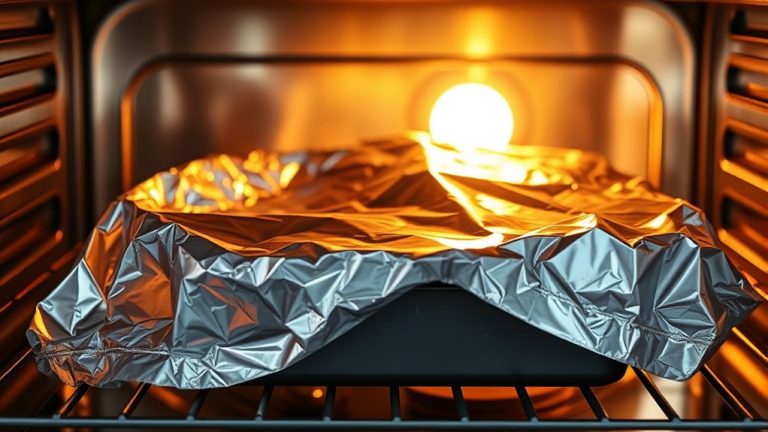
You can also use a sturdy sheet of aluminum foil, crumpled or flattened, to create a temporary raised surface. Just make sure it’s stable and won’t tip over.
Another good choice is a silicone baking mat placed on a baking sheet. It provides a non-stick surface and allows hot air to circulate around your baked goods.
You might also consider using a cast-iron skillet or ovenproof metal pan with small gaps or holes. This helps air flow beneath your baked goods, mimicking the airflow of a cooling rack.
These options help ensure even baking, crispiness, and proper cooling without needing specialized equipment.
Common Mistakes to Avoid When Using Cooling Racks in the Oven
Even though cooling racks are meant for cooling, many people make common mistakes when using them in the oven. One mistake is using racks with non-oven-safe coatings, which can release harmful fumes or damage your rack. Always look for oven-safe labels to keep things safe.
Neglecting kitchen safety by placing racks directly on heated surfaces can cause burns or fires. Avoid stacking racks improperly, as this can lead to instability and accidents. Not cleaning your racks regularly can also cause residue buildup, affecting food safety and flavor.
Finally, using racks without considering airflow can lead to uneven baking or cooling. Keep these tips in mind: verify oven safety before use, maintain proper airflow, avoid stacking racks unsafely, follow cleaning tips for hygiene, and always prioritize kitchen safety.
Frequently Asked Questions
Can a Cooling Rack Withstand High Oven Temperatures?
A cooling rack can handle high oven temperatures if it’s made from durable materials like stainless steel or nickel. These materials are safe for oven use and won’t warp or melt when heated.
But avoid racks made of thin, cheap metals. They might deform or even release harmful fumes when exposed to high heat. Always check the manufacturer’s guidelines for the temperature limits.
Choose a sturdy, heat-resistant rack to make sure your baking and cooling are safe and effective.
How Do I Clean a Cooling Rack After Oven Use?
To clean your cooling rack after oven use, start by soaking it in warm, soapy water to loosen baked-on residue.
Use gentle scrubbing tools like a soft brush or sponge, especially for racks made of stainless steel or silicone.
For stubborn stains, you can try a baking soda paste or vinegar. Avoid harsh chemicals that might damage delicate materials, ensuring your baking rack stays in good shape for future use.
Are There Specific Cooling Rack Designs for Oven Baking?
You’ll find cooling racks come in various design variations, tailored for oven baking, and are often made from materials like stainless steel or silicone that handle heat well.
These specific designs maximize airflow, prevent sticking, and guarantee even baking. Always check material compatibility before use because not all racks withstand the oven’s heat.
Choose a design that suits your baking needs to make your culinary adventures easier and more efficient.
Does Using a Cooling Rack Change Baking Times?
Using a cooling rack in the oven can slightly affect your baking efficiency, but it usually doesn’t change the overall baking times much.
The material of the rack, like metal or silicone, affects heat conduction and air circulation. This can influence how evenly your baked goods cook.
Keep an eye on your items and adjust baking times if needed, especially if you notice uneven browning or undercooking.
What Are the Best Practices for Storing Cooling Racks After Oven Use?
After oven use, you should clean your cooling rack thoroughly and let it dry completely. Store it in a dry, accessible spot, considering your storage space.
For cooling racks made of materials like stainless steel or silicone, avoid stacking heavy items on top to prevent damage.
Use hooks or racks if possible, and keep it away from moisture to maintain its quality and longevity.
Conclusion
Remember, safety always comes first—never compromise on materials or technique. Using a cooling rack in the oven can improve your baking results if done properly, but it’s important to understand the risks and how to prepare correctly.
Think of it like walking a tightrope. With balance and caution, you can reach new heights in your baking. Just be sure to follow best practices and avoid shortcuts.
When in doubt, stick to tried-and-true methods. A well-done job is worth the extra effort, especially when it comes to using a cooling rack in the oven.