What Is a Kitchen Cabinet?
Many people struggle with keeping their kitchens organized and stylish at the same time. You’re not alone—finding the perfect storage solution can be overwhelming.
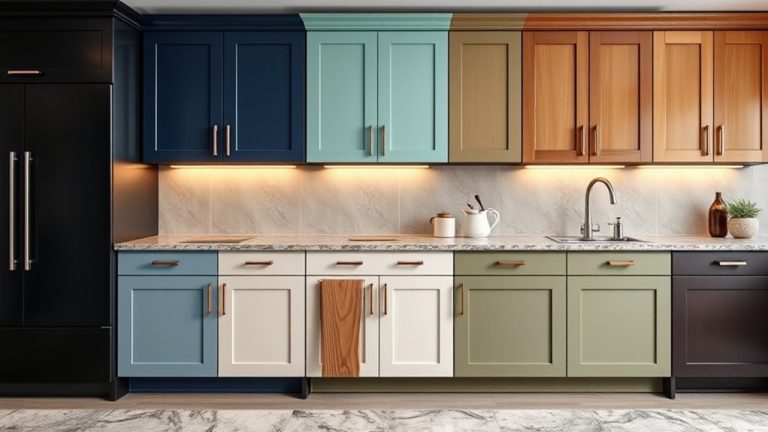
A kitchen cabinet is a storage unit that helps keep your kitchen organized and looking stylish. They come in various types like shaker, flat-panel, glass-front, and open shelving, each adding unique character.
Materials like hardwood, plywood, or reclaimed wood guarantee durability and style. Proper design, finishes, and hardware choices can match your taste and space.
If you want to learn more about selecting, maintaining, and trendy options, there’s plenty to investigate.
Key Takeaways
- A kitchen cabinet is a storage unit used to organize utensils, cookware, and food items in the kitchen.
- They’ve come a long way from simple wood boxes to decorative pieces that match various styles.
- Cabinets come in different types, like shaker, flat-panel, glass-front, and open shelving.
- They’re made from materials such as hardwood, plywood, MDF, or reclaimed wood, which influence durability and look.
- You can get them custom-built or ready-made, giving you options for style, size, and budget.
What Are Kitchen Cabinets and Why Are They Important?
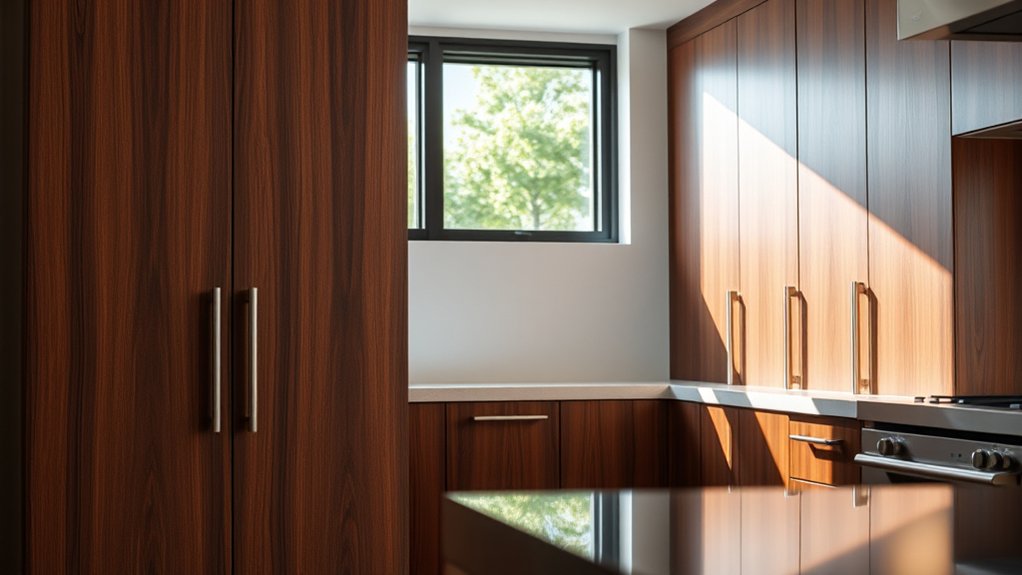
Kitchen cabinets are essential storage units that organize your cooking space, making it easier to access utensils, cookware, and food items. Understanding their history shows how designs have changed from simple wood boxes to detailed, decorative pieces.
Regional cabinet styles reflect local tastes, available materials, and cultural influences, giving each kitchen a unique character. For example, shaker-style cabinets focus on simplicity and function, common in North American homes, while European designs often feature ornate, carved cabinets.
These differences show how regional preferences shape cabinet construction and style. Kitchen cabinets aren’t just about function; they also add to your kitchen’s overall look. Their history and regional styles help you appreciate the craftsmanship and cultural influences behind them.
Whether you like modern minimalism or traditional charm, knowing their background makes choosing cabinets more meaningful. It helps ensure your kitchen reflects your personality and regional heritage.
Different Types of Kitchen Cabinets Explained
There are several common types of kitchen cabinets, each designed to suit different styles, budgets, and storage needs. Whether you’re after vintage charm or industrial appeal, you’ll find options that match your aesthetic. Here’s a quick overview:
| Style | Features | Ideal For |
|---|---|---|
| Shaker | Simple, clean lines, versatile | Classic, modern |
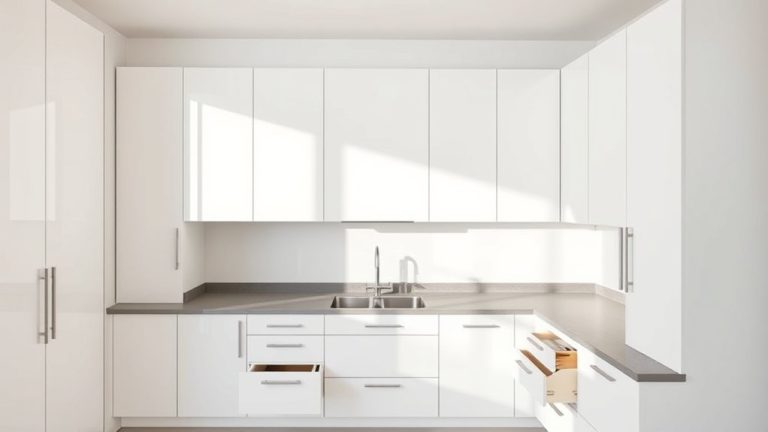
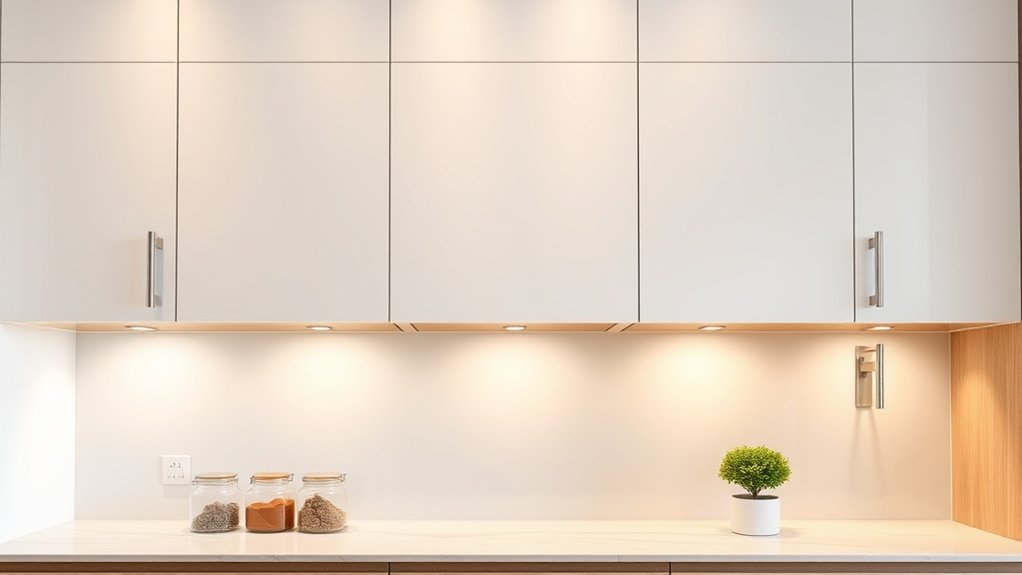
| Flat-Panel | Sleek, minimalist, modern | Contemporary, industrial |
| Glass-Front | Display cabinets, open feel | Vintage charm, stylish |
| Open Shelving | Easy access, casual look | Rustic, industrial |
If you want vintage charm, go for glass-front cabinets with decorative detailing. For industrial appeal, choose flat-panel or open shelving with metal accents. Each type adds unique character to your kitchen.
What Materials Are Best for Kitchen Cabinets?
Choosing the right material for your kitchen cabinets can really impact how they look and how long they last. You want options that are sturdy, eco-friendly, and stylish.
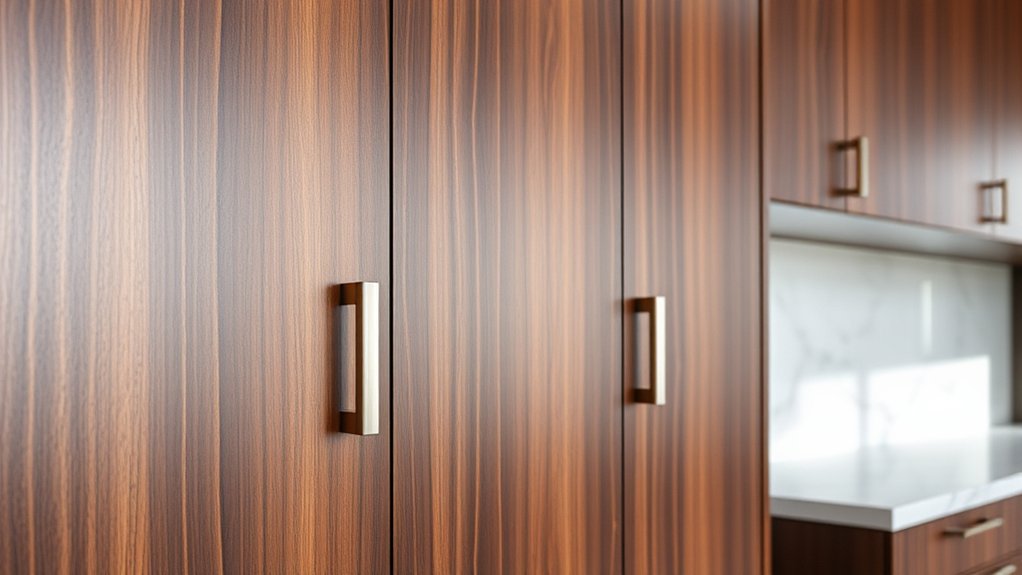
Solid hardwoods like oak, maple, or cherry are popular for their durability and timeless look. Plus, they’re often sourced sustainably. Plywood is another great choice, offering strength with less waste when sustainably sourced.
Solid hardwoods and sustainably sourced plywood combine durability with eco-friendly craftsmanship for timeless kitchen cabinets.
For a more budget-friendly option, MDF with eco-friendly finishes gives you a smooth surface and lots of versatility. Visualize these materials: warm, rich tones of reclaimed wood with unique grain patterns, sleek, uniform surfaces of painted MDF with eco-friendly finishes, and natural, sturdy layers of plywood with minimal environmental impact.
Using sustainable sourcing guarantees your cabinets are eco-conscious, while eco-friendly finishes help reduce harmful chemicals. These materials not only last through years of use but also support environmental responsibility, making your kitchen both beautiful and sustainable.
How Are Kitchen Cabinets Designed and Built?
Designing and building kitchen cabinets involves a mix of careful planning, precise measurements, and skilled craftsmanship. You start by choosing materials that match your style and budget, then focus on making sure the cabinets are ergonomic for easy use.
Ergonomics means thinking about the height and reach needed for drawers, shelves, and hardware. This makes your kitchen more functional and comfortable to work in. Cabinet hardware, like handles and pulls, should match the design while being durable and easy to open.
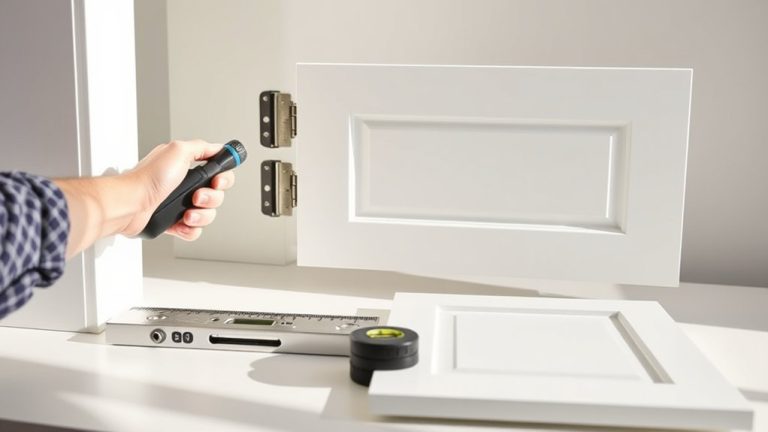
During construction, exact measurements are crucial to ensure everything fits perfectly. This helps prevent gaps or misalignments. Skilled craftsmen assemble the frames, attach the doors, and install the hardware with attention to detail.
The finished cabinets not only look great but also maximize space and usability. Every step emphasizes quality, precision, and practical design, creating a solid foundation for your kitchen’s style and efficiency.
Choosing the Right Style and Finish for Your Cabinets
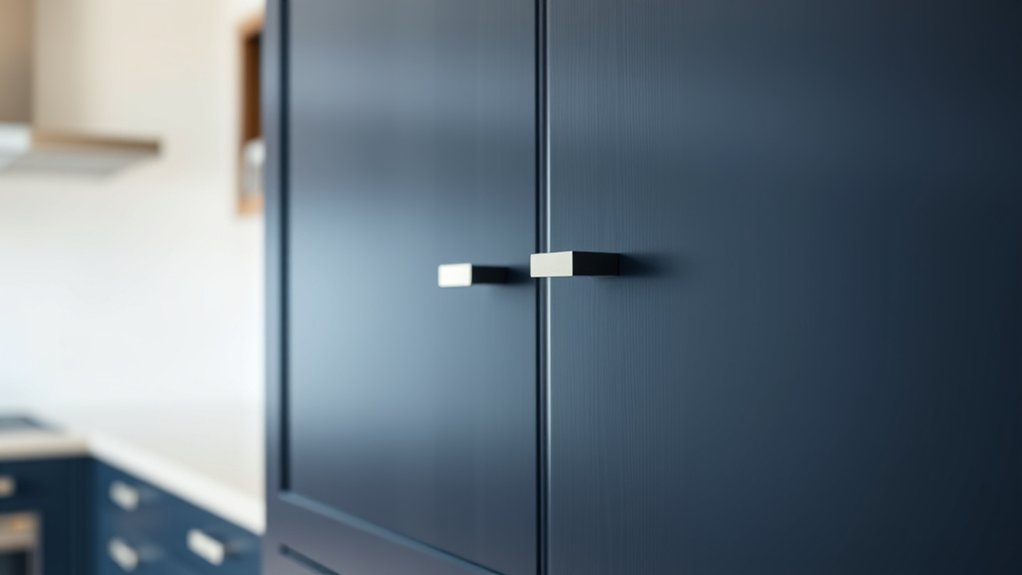
Selecting the right style and finish for your cabinets helps bring your kitchen’s overall look together and reflects your personal taste. When choosing finish options, think about whether you want a sleek, modern vibe or a warm, rustic feel.
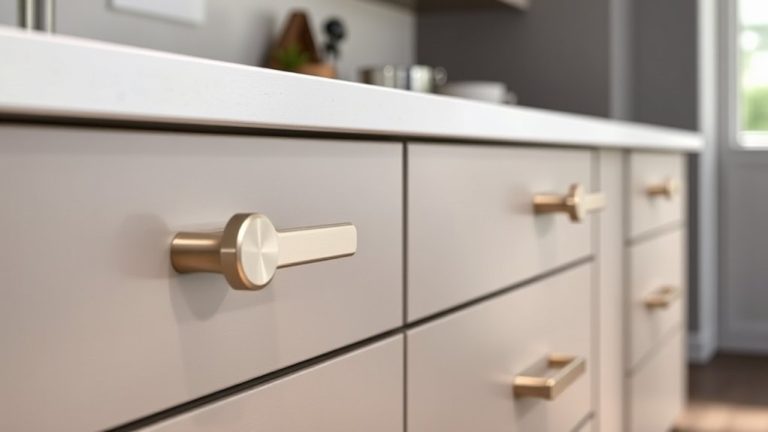
The finish can highlight the wood’s natural grain or create a smooth, uniform surface. Hardware styles also play an important role, adding character and functionality. Imagine shiny chrome handles for a contemporary look, vintage bronze knobs for a charming, traditional touch, or matte black pulls for an industrial feel.
These hardware choices can instantly update your cabinets’ style. Consider finishes like painted, stained, or distressed, each offering a different aesthetic and level of durability. Remember to pick options that complement your overall kitchen decor and are easy to maintain.
The right combination of finish options and hardware styles can turn your cabinets into a striking focal point or a subtle background feature.
Smart Storage Features and Organization Ideas
To make the most of your kitchen’s storage, try adding smart storage features and organization ideas. Think about compartments that slide out or lift up for easy access without creating clutter. Innovative shelving can help you use vertical space and keep everything in sight. These features can make your kitchen more efficient and tidy.
Here’s a visual idea:
| Storage Type | Functionality | Ideal Use |
|---|---|---|
| Pull-out drawers | Easy access to spices and utensils | Small items, frequently used |
| Lazy Susans | Rotating shelves for corner spaces | Canned goods, jars |
| Vertical dividers | Maximize cabinet height | Cutting boards, baking sheets |
| Hidden compartments | Concealed storage for valuables | Important documents |
| Adjustable shelves | Flexible storage options | Larger cookware |
Key Factors to Consider When Selecting Kitchen Cabinets
When you’re picking out kitchen cabinets, it’s a good idea to think about how durable and high-quality the materials are. After all, you want your cabinets to last for years to come.
It’s also really important to choose a style and design that fits with the overall look of your kitchen. Picking something that matches your aesthetic will make the space feel more cohesive and inviting.
Taking your time with these choices can really pay off, helping you create a kitchen that’s both functional and super stylish.
Material Durability and Quality
Have you ever wondered how the longevity of your kitchen cabinets depends on their material quality? High-quality materials make sure your cabinets can handle daily wear and tear and keep looking good over time.
When choosing, look for options like solid wood, plywood, or MDF with durable finishes. Consider eco-friendly materials that support sustainable sourcing and reduce environmental impact.
Think about cabinets that are resistant to dents, scratches, and moisture, helping them stay looking new longer. Also, choose finishes that won’t peel or fade even after years of use.
Style and Design Compatibility
Choosing kitchen cabinets that match your overall style and design is key to creating a cohesive look in your space.
Think about how decorative accents like ornate handles or glass inserts complement your cabinets’ style. These details can really enhance a rustic, modern, or traditional vibe.
Color coordination is just as important. Pick cabinet colors that blend well with your walls, countertops, and flooring.
Neutral tones work with almost any decor, while bold colors can make a strong statement.
Consider how your cabinets fit into your existing decor and whether they support the vibe you want to create.
Tips for Maintaining and Cleaning Your Cabinets
To keep your kitchen cabinets looking their best, regular maintenance and proper cleaning are essential. Effective cabinet cleaning prevents grime buildup and preserves the finish. Start by wiping down surfaces with a soft cloth and mild soap or a gentle cleaner. Avoid harsh abrasives that can scratch or damage the finish.
For maintenance, check hinges and handles periodically, tighten loose screws, and replace worn parts. Keep your cabinets dry to prevent warping and mold growth.
Imagine wiping away crumbs and spills before they set, keeping surfaces spotless. Use a microfiber cloth to gently remove dust and maintain a fresh look. Regularly inspect and tighten hardware to keep everything secure.
These simple steps make cabinet cleaning and maintenance straightforward, helping your cabinets stay beautiful and functional for years to come.
Should You Choose Custom or Ready-Made Cabinets?
Thinking about whether to go with custom or ready-made cabinets? Well, a good place to start is by looking at your budget and how much you’re willing to spend. Custom cabinets usually cost more, but they give you a lot more flexibility in design, so you can really make them match your style perfectly.
On the other hand, ready-made cabinets are generally more affordable and can be installed pretty quickly. The only catch is that your options might be a bit limited, since they come in standard sizes and styles. So, it all comes down to what matters most to you—your budget or having that perfect, personalized look.
Cost Considerations
Are custom or ready-made kitchen cabinets the better investment for your budget? Your choice depends on your pricing strategies and how you plan your budget.
Ready-made cabinets usually cost less upfront, making them a good option if you’re working within a tight budget. Custom cabinets tend to be pricier but offer tailored quality and materials.
Visualize this:
- A sleek, factory-produced cabinet with a consistent finish
- Handcrafted, one-of-a-kind doors with intricate details
- A middle ground with semi-custom options, blending affordability and personalization
Your decision comes down to balancing cost and quality. By understanding the true costs involved, you can make smarter choices that match your financial plan—whether you’re aiming to save or to invest in long-term value.
Design Flexibility
Choosing between custom and ready-made cabinets depends on how much design flexibility you want.
Custom cabinets offer more options to match your style, including a wider range of colors and specific hardware choices. If you want a unique look or special finishes, custom options let you customize every detail.
Ready-made cabinets usually have limited color choices and predefined hardware. They’re less flexible but tend to be more affordable and quicker to install.
Think about how important it is for your kitchen’s design to reflect your personal taste. If you’re after a perfect fit and personalized details, go with custom cabinets.
But if you prefer convenience and a straightforward selection process, ready-made cabinets might be enough.
Latest Trends and Innovations in Kitchen Cabinet Design
Recent advancements in kitchen cabinet design focus on blending functionality with sleek aesthetics, making it easier for you to customize your space. Modern trends emphasize eco-friendly options, such as sustainably sourced woods and low-VOC finishes, helping you create an environmentally conscious kitchen.
Vintage styles are making a comeback, with distressed finishes, ornate hardware, and classic detailing that add charm and character. Innovations also include smart storage solutions like hidden compartments, pull-out shelves, and modular designs for seamless organization.
Visualize cabinets with matte, muted tones paired with brass or matte black hardware. Reclaimed wood finishes that highlight natural imperfections are also popular. Minimalist designs with clean lines and integrated handles are trending as well.
These trends let you balance sustainability, nostalgia, and modern convenience. Whether you prefer eco-friendly materials or vintage-inspired details, today’s kitchen cabinets help you craft a space that’s both stylish and functional.
Frequently Asked Questions
How Long Do Kitchen Cabinets Typically Last?
Kitchen cabinets typically last 15 to 20 years, but with proper care, you can make them last even longer. Regular cleaning and avoiding excess moisture help keep them in good shape.
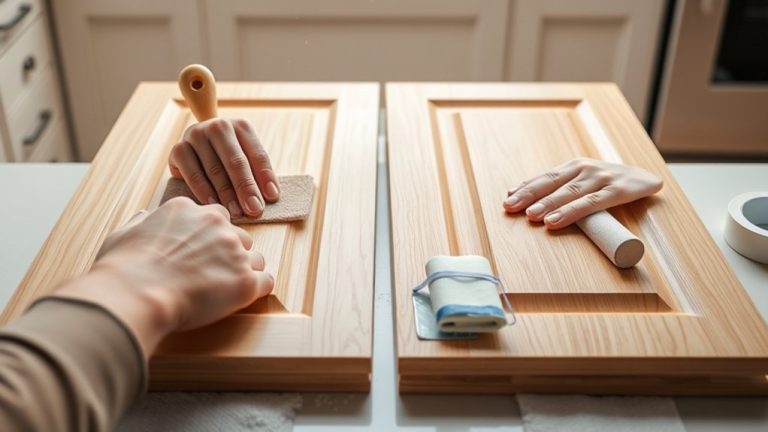
When cabinets start showing wear, refinishing is a budget-friendly way to give them a fresh look without replacing everything. With good maintenance and occasional refinishing, you can enjoy their style and function for many years.
Can I Modify or Customize Existing Cabinets?
You can definitely modify or customize your existing cabinets, and it’s easier than you might think.
A fresh coat of cabinet painting can instantly change the look, giving your space a new vibe. Replacing hardware adds a modern touch and updates the style easily.
These small updates let you personalize your kitchen without a full remodel. They give your cabinets a fresh feel and make your space uniquely yours.
It’s a simple way to breathe new life into your cabinets.
What Is the Average Cost of Installing New Cabinets?
The average cost of installing new cabinets ranges from $4,000 to $13,000, depending on cabinet styles and material durability. If you choose custom designs or high-quality materials, expect to pay more.
Basic styles with standard materials are more budget-friendly. Labor costs also vary based on your location and how complex the project is.
To get an accurate estimate, it’s best to talk to professional installers who can evaluate your specific needs.
Are There Eco-Friendly Cabinet Options Available?
Yes, eco-friendly cabinet options are available. Think of them as a revitalizing change for your kitchen.
You can choose cabinets made from sustainable materials like bamboo or reclaimed wood, which reduce environmental impact.
Look for eco-friendly finishes that are low in VOCs (volatile organic compounds). These choices help you create a stylish, sustainable space without sacrificing your commitment to the environment.
How Do I Choose the Right Cabinet Hardware?
To choose the right cabinet hardware, start by considering your cabinet material. Some finishes look better on wood, while others are better suited for MDF or laminate.
Next, think about the hardware finishes like brushed nickel, matte black, or brass. Pick a finish that matches your kitchen’s style and vibe.
You also want hardware that’s durable and easy to clean. Make sure it complements your cabinets and fits your needs.
Finally, try out different styles and finishes in person. See how they feel and look so you can pick hardware that really enhances your space.
Conclusion
Your kitchen cabinets are the backbone of your culinary sanctuary, blending style with function like a symphony of shelves and doors. When you choose wisely, they become the stars of your space, shining with personality and purpose.
Keep them clean and current, and they’ll serve you well for years to come. They turn your kitchen into a warm, inviting masterpiece. After all, your cabinets aren’t just storage—they’re the heartbeats of your home’s flavor and charm.
Understanding what a kitchen cabinet is helps you appreciate their role in your home. They’re more than just storage—they’re a key part of your kitchen’s style and functionality.