10 Factors Affecting Kitchen Cabinet Painting Costs
Thinking about giving your kitchen cabinets a fresh look but feeling overwhelmed by the costs? You’re not alone—many people struggle with figuring out what influences the price of cabinet painting. It’s easy to get lost in the details and worry about going over budget.
Your kitchen cabinet painting costs are influenced by several factors. The size of your kitchen, cabinet material, and existing hardware condition play big roles. The design complexity, finishes, and special effects like glazing add to expenses. Your choice of paint, location, and accessibility can also impact labor costs.
Extra services such as repairs or custom colors may increase your budget. Keep exploring to uncover tips on how to control costs without sacrificing quality.
Key Takeaways
- The size and layout of the kitchen affect how much paint, materials, and labor are needed, which impacts the overall cost.
- If the design is more complex, with detailed moldings or decorative touches, it takes more time to prep and costs more.
- The type of paint, finish, and any special effects you choose will influence both the price of materials and how long the job lasts.
- If your cabinets need repairs, sanding, or fixing damage, that adds to both the labor and the materials needed.
- Accessibility issues and regional labor rates can also play a big role in the total cost of painting your cabinets.
What Factors Affect the Cost of Painting Kitchen Cabinets?
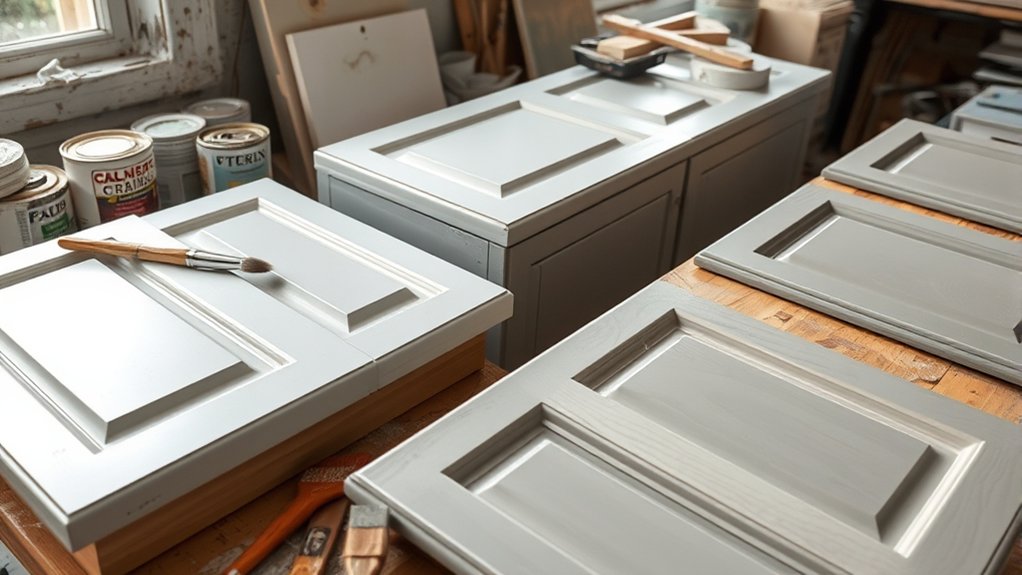
Several key factors influence the overall cost of painting your kitchen cabinets. One major element is your kitchen decor, which helps determine the style and finish you want. A modern, sleek look may need different paints and techniques than a rustic or vintage style, which can affect the price.
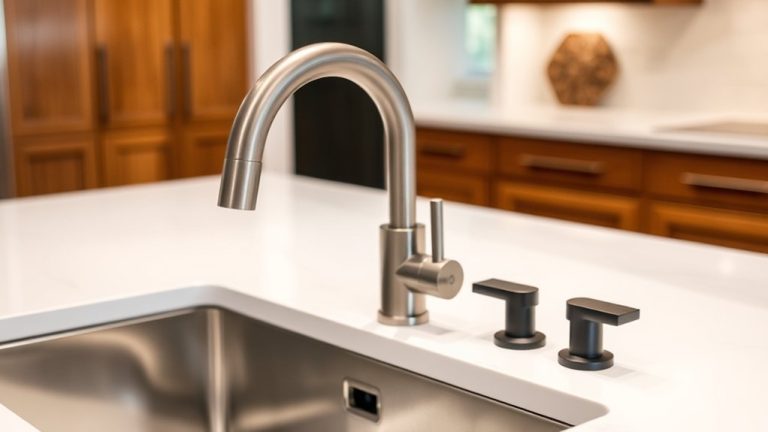
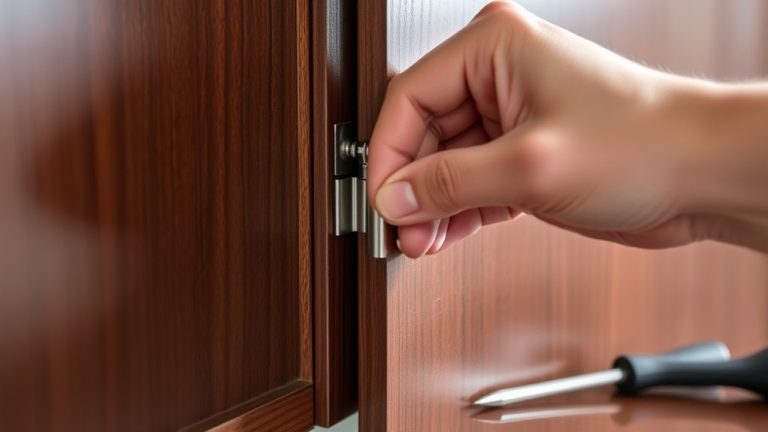
The condition of your existing cabinet hardware also impacts costs. If your hardware is outdated or damaged, you might need to replace or refurbish it, which can increase expenses. The choice of cabinet hardware itself plays a role too, as high-end handles and knobs add to the overall cost.
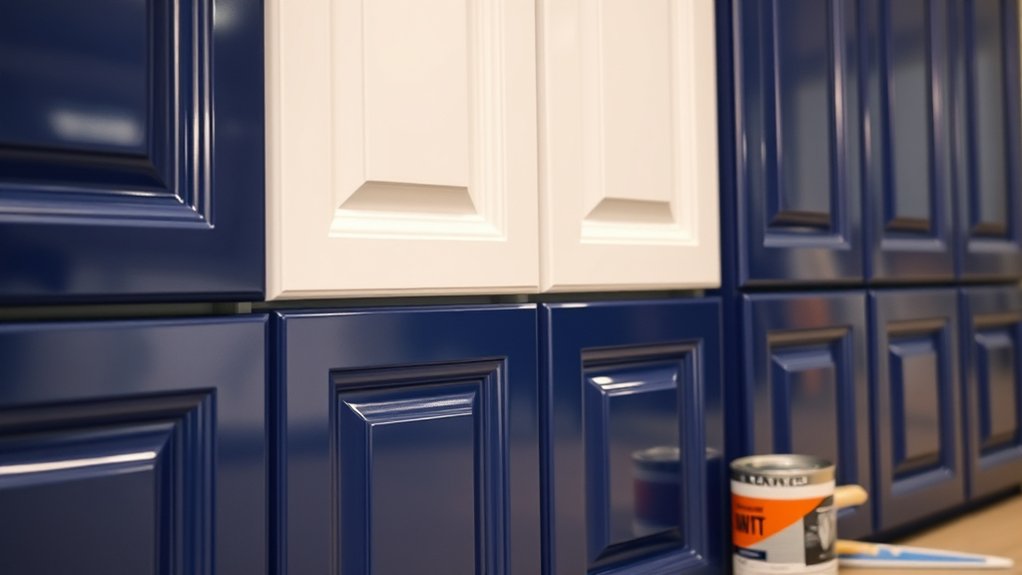
The complexity of your cabinet layout matters as well. More intricate designs or a larger number of cabinets take more time and effort from painters, raising the price. Lastly, the color and finish you pick can influence costs, especially if you decide on specialty paints or multiple coats. All these factors together shape the final cost of your cabinet painting project.
How Kitchen Size and Cabinet Material Impact Your Budget
Your kitchen size really affects how much you’ll spend on painting. Bigger kitchens mean more space to cover, which takes more time and materials—so the cost can add up pretty quickly. It’s good to keep that in mind when planning your project.
Then there’s the cabinet material. Some materials are more expensive or harder to paint than others, which can also impact your budget. Picking the right materials or knowing what to expect can help you stay on track financially. Being aware of these factors makes it easier to plan and avoid surprises along the way.
Kitchen Size Influences Cost
Have you ever wondered how much your kitchen size affects the cost of painting cabinets? Bigger kitchens naturally need more paint and time, which can bump up your budget.
The layout also makes a difference. An open plan with lots of cabinets takes longer to paint than a smaller, compact space.
Plus, the hardware you choose can influence costs. Fancy handles or knobs might add to your expenses.
Here’s a quick look at how different kitchen sizes might impact your project:
| Kitchen Size | Estimated Cost Range | Time Required |
|---|---|---|
| Small (up to 100 sq ft) | $500 – $1,000 | 1-2 days |
| Medium (100-200 sq ft) | $1,000 – $2,500 | 2-4 days |
| Large (200+ sq ft) | $2,500+ | 4+ days |
Larger kitchens require more materials, labor, and attention to detail, which all affect your overall budget.
Material Choice Affects Pricing
Choosing the right cabinet material can significantly impact your painting costs, especially as your kitchen size changes. Different styles, like traditional or modern, often need specific materials that can affect the price.
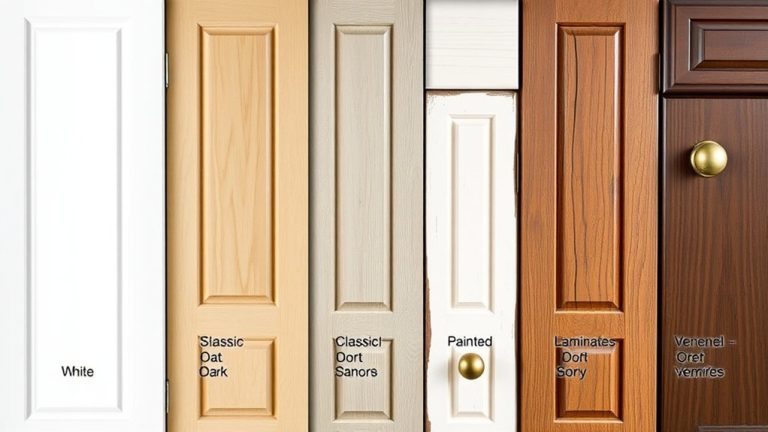
For instance, solid wood cabinets usually cost more than MDF or laminate options, which can influence your overall budget. Your color choices also matter; lighter colors are typically cheaper and easier to paint, while darker or custom colors may require extra coats or special finishes.
The texture and durability of the material not only affect the initial cost but also how much maintenance you’ll need later on. Picking materials that match your style and budget helps you save money while getting the look you want.
Always think about how the material choice fits with your kitchen size and renovation plans to make the best decision.
Choosing the Right Paint for Your Cabinets and Budget
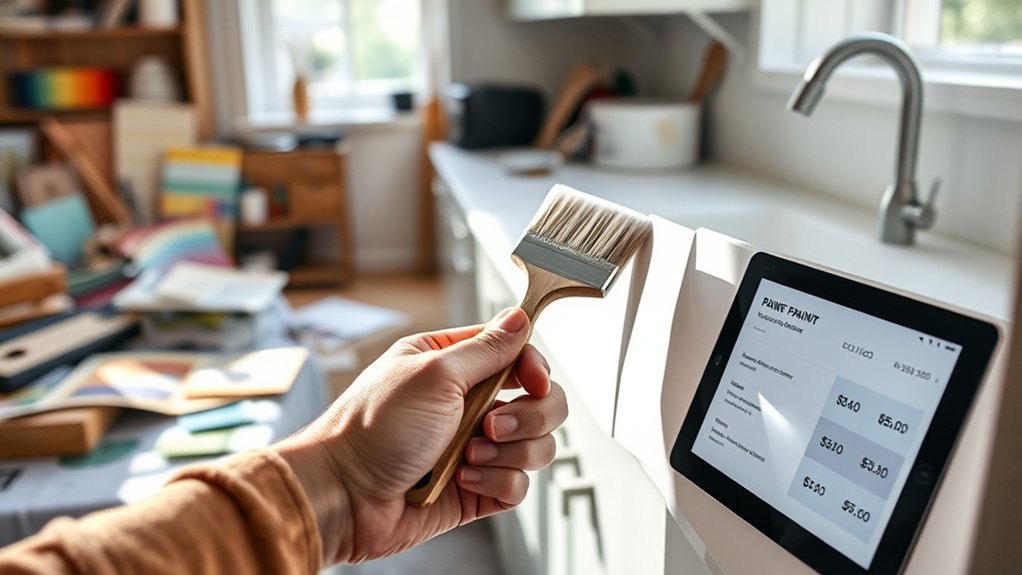
Selecting the right paint for your cabinets involves balancing quality, durability, and budget. Your choice affects both how your cabinets look and how long they last. When choosing a color, think about how it complements your kitchen’s style and lighting.
Opting for popular shades can also increase your home’s resale value. Brand reputation matters because trusted brands often provide better coverage, longer-lasting finishes, and more reliable results. To narrow your options, consider these factors:
- Type of paint – Decide between oil-based or water-based, depending on how durable you need it to be.
- Finish – Choose matte, satin, or semi-gloss based on the look you want and how easy it is to clean.
- Color consistency – Ensure the paint guarantees a uniform color across multiple cans or batches.
- Brand reputation – Look up reviews and ratings to pick brands known for quality and reliability.
How Design Complexity Changes Painting Costs
Ever wondered how the intricacy of your cabinet design impacts painting costs? The more complex the design, the higher your expenses will likely be.
Design complexity affects the amount of prep work needed because detailed moldings, carvings, or decorative panels require careful attention. These features often need multiple coats of paint and specialized techniques to get a smooth, even finish.
Paint intricacies also come into play. Intricate designs might involve multiple colors, special finishes, or highlights that increase labor time and material costs. The more detailed the design, the more meticulous the process.
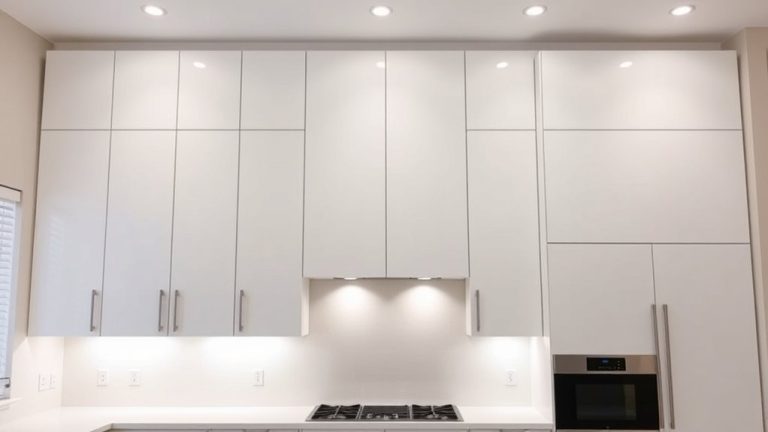
This can extend the project timeline and add to your overall budget. Simple, flat cabinet surfaces are quicker and less costly to paint, while ornate or textured designs demand extra effort and skill.
Understanding how design complexity impacts painting costs helps you plan better and set realistic expectations for your kitchen cabinet makeover.
What Do Labor Costs Typically Look Like?
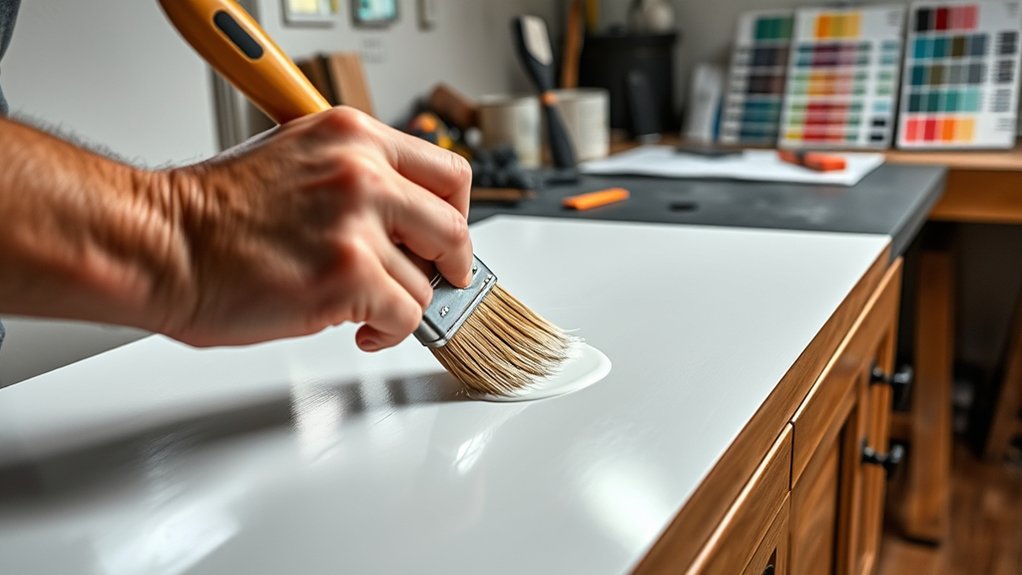
Labor costs for painting kitchen cabinets usually make up a big part of your total expense and can vary a lot. Factors like cabinet size, design complexity, and the painter’s experience all play a role.
Your total labor cost mainly depends on how efficient the painter is and their skill level. Skilled professionals tend to work faster and deliver higher-quality results, which can save you money overall.
On the other hand, less experienced painters might take longer, which can increase costs. Here’s what influences labor costs:
- Skill level: More experienced painters charge higher rates but work more efficiently.
- Cabinet size: Larger cabinets require more hours to finish.
- Design complexity: Detailed or intricate designs take more time.
- Labor efficiency: A painter’s ability to work quickly and accurately directly affects the cost.
Knowing these factors helps you estimate costs better and pick the right professional for your project.
Budgeting for Surface Preparation and Repairs
Before you start painting your cabinets, it’s a good idea to take a close look at them first. Check for any damage that might need fixing before you get started. If there are broken or worn-out hardware or materials, you might have to replace those too. Keep in mind, these repairs and replacements can add to your overall budget. It’s smarter to plan for these costs early on so you won’t be surprised when it’s time to pay the bill.
Assessing Existing Damage
Assessing existing damage is an important first step in budgeting for your cabinet painting project. Spotting issues early helps you address problems that could affect the durability of your cabinets and how well the paint sticks.
Check for chipped or peeling paint, which suggests poor adhesion or surface prep. Look for water stains or swelling that indicate moisture damage weakening the surface.
Inspect for scratches or dents, as these may need filling or sanding to get a smooth finish. Also, look for mold or mildew, which must be cleaned properly before painting to prevent future problems.
Dealing with these issues ensures your cabinets stay durable and the new paint adheres properly. It also saves you money and effort later on. Proper assessment helps you budget accurately for any surface repairs needed.
Cost of Material Replacement
When budgeting for your cabinet painting project, it’s important to consider the cost of materials needed to replace or repair damaged surfaces. If your cabinets have outdated or broken hardware, replacing these parts is key for a polished look and better durability.
Damaged surfaces might need patching, sanding, or even replacing panels to ensure a smooth, even finish. Investing in good-quality paint will make it more durable, so you won’t have to touch it up or repaint as often.
Keep in mind that surface repairs and hardware replacements can add to your overall costs. But they’re essential for a professional, long-lasting result. Proper surface prep helps prevent future issues and saves you money over time.
Budgeting for these materials upfront helps you avoid surprises during your project. It’s a smart way to make sure everything goes smoothly and stays within your planned expenses.
Finishes and Special Effects: How They Influence Overall Cost
Finishes and special effects can really impact the total cost of your kitchen cabinet painting project. Choosing decorative finishes or custom effects adds visual flair but also increases labor and material expenses. These options often need skilled craftsmanship, which raises the price.
Decorative finishes and custom effects elevate your cabinets but also increase costs and craftsmanship needs.
Here are some factors to consider:
- Type of Decorative Finish: Techniques like glazing, antiquing, or distressing take extra time and skill, which can raise costs.
- Complexity of Custom Effects: Intricate patterns or layered effects involve multiple steps, leading to more labor hours.
- Materials Used: Special paints, glazes, or topcoats for unique finishes tend to be more expensive than standard options.
- Number of Coats or Layers: Achieving certain effects may require additional coats, adding to the overall cost.
How Your Location and Accessibility Affect Pricing
Where you live can really influence how much you’ll pay for painting. That’s because labor costs aren’t the same everywhere—they tend to be higher in some regions and lower in others.
Also, if your home is hard to get to or has unusual layouts, it might take more time and effort for the painters. That means the job could end up costing a bit more. These kinds of access issues can make a noticeable difference in your final bill.
Local Labor Costs
The cost of labor for painting kitchen cabinets can vary quite a bit depending on where you live and how accessible your cabinets are. Local economies influence labor rates, with city areas usually charging more than rural ones.
The complexity of your kitchen decor and cabinet styles also impacts costs. Keep in mind that more detailed or intricate cabinets will require more skill and effort.
Factors like the number of cabinets and their arrangement can add to the labor time needed. Also, tight spaces or high ceilings can make the job more challenging and affect the overall price.
Understanding these points can help you estimate costs better and talk with contractors about your style preferences. This way, you can keep your project within budget and get the results you want.
Accessibility Challenges
Have you thought about how your kitchen’s layout and accessibility can affect the cost of cabinet painting? If your cabinets are hard to reach or need special equipment, expect to pay more in labor.
Designing with accessibility and ergonomics in mind helps painters work more efficiently. This can cut down on time and reduce the risk of damage.
Narrow spaces, high ceilings, or awkward angles might require scaffolding or custom tools, which can increase costs. If you have mobility challenges or specific needs, more planning and effort will be needed to do the job safely.
These factors can also extend the project timeline and boost labor fees. Making your kitchen accessible not only makes daily use easier but can also help keep painting costs lower by streamlining the process.
Extra Services That Can Increase Your Cabinet Painting Expenses
Additional services beyond basic cabinet painting can significantly increase your overall costs. If you’re interested in special touches, expect to pay more.
For example, applying vintage finishes gives a unique look but needs extra skill and time, which raises labor costs. Choosing eco-friendly paints might cost more upfront but benefits the environment and indoor air quality.
Custom color matching or specialty coatings can also add to your expenses, especially if you want precise shades or textures. Surface prep services, like repairing damaged wood or removing old paint, will increase the price but ensure a smoother finish.
These extras can really impact your budget, especially vintage finishes or eco-friendly paints, which tend to be pricier. While they increase costs, they also improve your cabinets’ look and sustainability. Be sure to talk to your painter about these options to see how they fit into your overall budget.
Tips to Save Money Without Sacrificing Quality
You can save money on cabinet painting without sacrificing quality by planning ahead and choosing the right options. Start with color coordination in mind; selecting neutral or versatile shades can reduce the need for frequent repainting or future updates. This approach not only keeps costs down but also ensures your kitchen stays stylish over time.
Furthermore, consider eco-friendly paints, which often have a lower environmental impact and may offer better durability. Using high-quality, environmentally conscious products can cut down on touch-ups or repainting, saving you money in the long run.
Don’t skip the prep work. Proper sanding and cleaning improve paint adhesion and help prevent costly mistakes. Lastly, compare quotes from different painters and ask about their eco-friendly options.
Frequently Asked Questions
How Long Does Kitchen Cabinet Painting Typically Take?
Kitchen cabinet painting usually takes about 2 to 5 days, depending on the project’s size. You’ll spend time on cabinet prep, which includes cleaning, sanding, and priming to guarantee a smooth finish.
After applying paint, you’ll need to wait for it to dry properly. This can take several hours or overnight. The total time depends on how many coats are needed and the drying times between layers.
Are There Eco-Friendly Paint Options Available?
Think of eco-friendly paint options as a welcome change for your kitchen. Yes, there are natural paint options and eco-friendly finishes that reduce harmful chemicals, making your space healthier.
These paints often contain low or zero volatile organic compounds (VOCs) and are made from sustainable materials. Choosing them means you’re protecting the environment and your family’s health while giving your cabinets a beautiful, safe finish that lasts.
Can I Paint Cabinets Myself to Save Money?
Yes, you can do DIY painting to save money on your kitchen cabinets. While it takes time, effort, and some skills, painting yourself can really cut down on labor costs.
Just make sure to prep the surfaces properly, use good-quality paint, and follow the right techniques to get a professional look. Mistakes might happen, but with patience and care, painting yourself is a budget-friendly way to refresh your kitchen without spending a lot.
How Often Should Cabinets Be Repainted?
You should repaint your cabinets every 5 to 10 years, depending on wear and tear.
Before repainting, make sure to carefully remove or replace cabinet hardware, as it can impact how long the paint lasts. Proper preparation is key—clean, sand, and prime the surfaces for a smooth finish.
Regular upkeep helps keep your cabinets looking fresh. Address minor damages early to avoid the need for more extensive repainting later on.
What Warranties Are Usually Offered on Cabinet Painting?
Most cabinet painting jobs come with warranties that cover paint durability and workmanship, usually for one to three years.
You can expect coverage for issues like peeling, chipping, or fading caused by factory defects or poor application.
Always check the warranty details because coverage can differ between contractors.
A good warranty gives you peace of mind, making sure your investment stays protected from problems related to paint durability and installation.
Conclusion
By understanding these factors, you can make smarter choices and keep your project on schedule.
Some costs are unavoidable, but there are creative ways to get the most out of your budget without sacrificing style. Planning ahead and making savvy decisions can make transforming your kitchen both fun and affordable.
Remember, a well-done paint job is like a gentle touch—subtle but impactful—bringing new life to your space without stretching your resources too thin.
When it comes to kitchen cabinet painting costs, knowing what influences the price helps you get the best results for your budget.