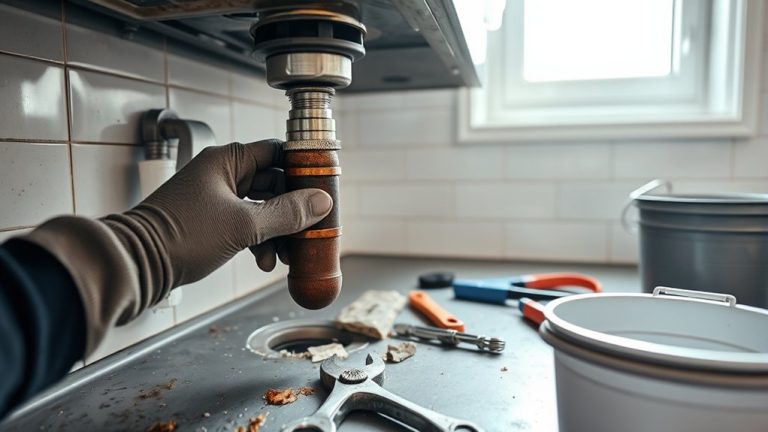
Get Hot Water Faster at Your Kitchen Sink: 7 Simple Ways
Getting hot water quickly at your kitchen sink is something many people struggle with. If you’ve ever waited forever for water to warm up, you’re not alone. Luckily, there are simple tricks that can make a big difference.
To get hot water faster at your kitchen sink, start by insulating your pipes and ensuring they’re close to the water heater. Consider installing a point-of-use heater or recirculation system for instant hot water.
Check your fixtures for leaks or clogs, and upgrade old plumbing components. Adjust your water heater’s temperature to around 120°F for quicker flow.
Regular maintenance and smart adjustments can markedly reduce wait times—discover more tips that can make a difference.
Key Takeaways
- Insulate your pipes to keep the heat in and cut down on the wait for hot water.
- Install a hot water recirculation system so you get hot water instantly when you turn on the tap.
- Position your sink closer to the water heater to reduce the length of pipe needed, which means hot water arrives faster.
- Regularly flush and maintain your water heater to prevent sediment buildup that can slow things down.
- Set your water heater thermostat around 120°F so hot water is available more quickly.
How Does Hot Water Reach Your Kitchen Sink?
When you turn on the hot water tap at your kitchen sink, the water doesn’t magically appear there; it travels through a network of pipes from your water heater.
As the hot water moves through these pipes, it’s influenced by the water temperature inside and the length of the piping. Longer pipes mean the water takes more time to reach your sink, cooling down slightly along the way.
To keep the water hotter for longer, pipe insulation is essential. Insulating your pipes reduces heat loss, helping hot water stay at the desired temperature as it travels to your faucet.
Pipe insulation keeps hot water warm longer and prevents heat loss along the way.
Proper insulation can also prevent the pipes from sweating or freezing in colder weather. So understanding how hot water moves through your plumbing and using pipe insulation effectively can make a noticeable difference in how quickly you get warm water at your sink.
What Causes Hot Water to Be Slow or Delayed?
Several factors can cause hot water to be slow or delayed at your sink, even if your plumbing and water heater are working properly. One common cause is the distance between your water heater and the sink. The farther the hot water has to travel, the longer you’ll wait.
Poor insulation around pipes can also lead to heat loss. This makes hot water take longer to arrive because it cools down before reaching your tap. Sediment buildup in your water heater or pipes can restrict flow, slowing down hot water delivery.
To improve this, consider these factors: First, pipe length and routing. Longer or more complex plumbing routes increase delay. Second, insulation quality—better insulation keeps water hot and reduces wait time. Lastly, regular water heater maintenance like flushing prevents sediment buildup.
While focusing on kitchen decor, keep in mind that water conservation measures, like installing low-flow fixtures, can also help. They optimize flow efficiency and reduce wait times for hot water.
How to Inspect and Upgrade Your Faucet and Plumbing
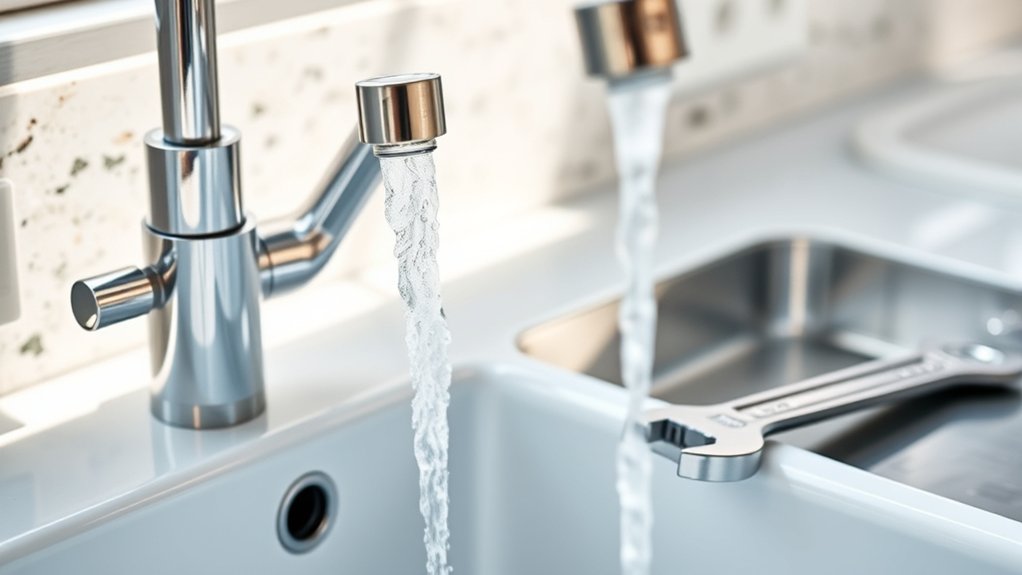
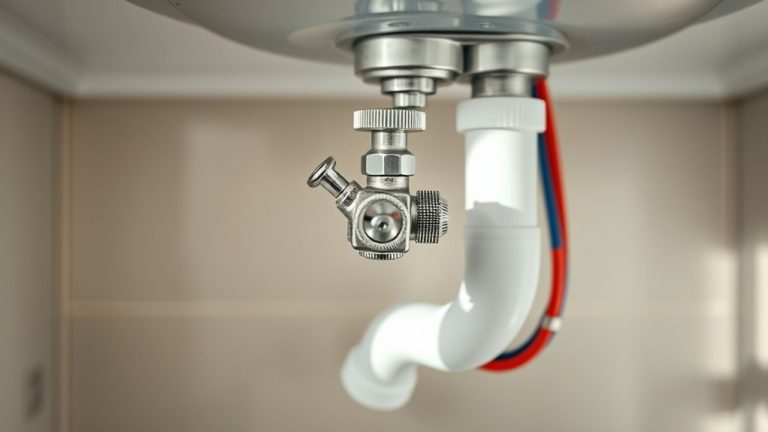
First, take a look around your faucet and under the sink to see if there are any leaks. Leaks can cause hot water to take longer to reach the tap, so it’s good to catch them early. While you’re at it, check the condition of your faucet—see if it’s corroded or clogged up. If it is, you might need to replace it to get better water flow.
Also, think about upgrading your plumbing parts if they’re really old or if they’re not letting water get through as quickly as they should. Upgrading can help you get hot water faster and make your whole system work more smoothly.
Check for Leaks
Leaks can quietly waste a lot of hot water and drive up your utility bills, so it’s important to inspect your faucet and plumbing regularly. To check for leaks, start by visually inspecting under the sink and around pipes for water stains or corrosion. Use leak detection methods like listening for hissing sounds or feeling for dampness.
Tighten any loose fittings and replace worn washers or seals. Consider upgrading your pipe insulation to prevent condensation, which can mimic leaks and cause moisture buildup. Check for water drips or pooling around fittings.
Test your shut-off valves for leaks during operation. Inspect pipe insulation for cracks or gaps, and replace if necessary.
Assess Faucet Condition
Inspecting your faucet and plumbing helps identify issues that could be slowing down hot water delivery. Start by checking your faucet for signs of corrosion, mineral buildup, or leaks, which can affect water flow.
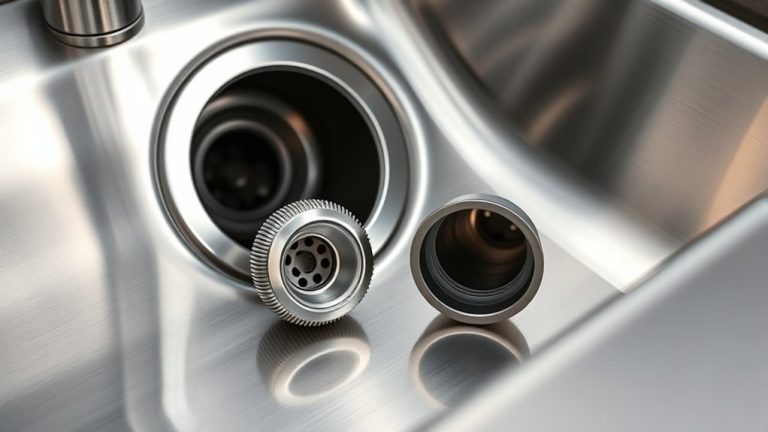
Regular faucet maintenance, like cleaning aerators and removing debris, can reduce water flow restrictions. If you notice reduced water pressure, consider replacing worn-out washers or cartridges.
Make sure the supply valves are fully open and functioning properly. Also, examine the hoses and pipes for kinks or damage that could restrict water flow.
Addressing these issues can improve hot water delivery speed. Upgrading or repairing your faucet as needed guarantees it operates efficiently, minimizing delays in hot water reaching your sink.
Upgrade Plumbing Components
To effectively upgrade your plumbing components, start by checking the condition of your faucet and pipes. Look for leaks, corrosion, or mineral buildup that can block water flow. Replacing damaged or outdated parts will make a big difference.
Think about installing eco-friendly fixtures that save water and reduce hot water use. Upgrading your faucet and pipes can boost efficiency and get hot water to your taps faster.
Here are some key steps:
- Swap out old faucets for models with faster flow rates and water-saving features.
- Upgrade your pipes to insulated or newer materials to keep heat in.
- Pick eco-friendly fixtures designed to conserve water without losing performance.
These upgrades will give you quicker hot water access and help make your kitchen more eco-friendly and efficient.
Devices and Tricks to Get Hot Water Faster

One effective way to get hot water faster at your kitchen sink is by using special devices designed to speed up the process. These include point-of-use water heaters and recirculation systems that deliver hot water instantly or very quickly.
They’re energy-efficient because they cut down on water waste and can be customized to fit your usage habits. Regular maintenance keeps these devices working well and prevents issues that could slow down hot water delivery.
| Device Type | Benefits | Maintenance Tips |
|---|---|---|
| Point-of-use heater | Instant hot water, energy-saving | Flush annually, check connections |
| Recirculation pump | Faster hot water, less waste | Inspect pump monthly |
| Hot water recirculation line | Saves time, reduces energy use | Insulate pipes, schedule checks |
| Timer-enabled systems | Automate hot water flow | Clean filters quarterly |
| Tankless water heaters | On-demand hot water, energy-efficient | Flush annually, monitor flow |
These tools and tricks help you get hot water faster while keeping energy use low through proper upkeep.
How to Adjust Your Hot Water Heater Settings for Better Flow
Want to get better hot water flow? First, try tweaking your water heater’s temperature. Setting it around 120°F is usually a good balance—it keeps things safe and gives you decent performance.
Next, take a quick look at the heating elements. If they’re damaged or have buildup, they might be slowing down the heating process. Cleaning or replacing them can make a big difference.
And don’t forget about your water pressure. If it’s too low, your water won’t flow as smoothly. Check your pressure valve and adjust it if you need to, to help improve the flow.
Adjust Temperature Settings
Adjusting your hot water heater’s temperature settings can significantly improve the flow of hot water at your sink. Proper calibration helps you get hot water faster without wasting energy.
Start by checking the thermostat and setting it between 120°F and 140°F. This range balances safety and efficiency. Then, consult your heater’s manual for specific instructions on how to calibrate the thermostat properly.
After making adjustments, test the water temperature and fine-tune the thermostat as needed to reach your desired hot water flow speed. These steps will help optimize your water heater’s performance.
Inspect Heating Elements
Inspecting the heating elements of your water heater is a key step in guaranteeing ideal hot water flow. Faulty or scaled elements reduce efficiency and may cause uneven heating. First, turn off power and drain the tank if needed.
Check for signs of corrosion or mineral buildup, which can hinder heat transfer. Proper maintenance involves cleaning or replacing faulty elements to prevent issues caused by thermal expansion.
Consider testing the elements with a multimeter to verify continuity. Here’s a quick overview:
| Action | Purpose |
|---|---|
| Inspect for corrosion | Prevents inefficient heating |
| Test with multimeter | Ensures the element’s electrical integrity |
| Clean or replace | Restores proper heating and flow |
| Check for thermal expansion | Prevents stress on the tank and elements |
Regular inspection keeps your hot water steady and efficient.
Optimize Water Pressure
Wondering why your hot water flow feels weak or inconsistent? You might need to optimize your water pressure. Adjusting your hot water heater settings can improve flow and reduce waiting time.
Start by checking the pressure relief valve to make sure it’s working properly. This helps prevent pressure buildup that can restrict water flow.
Next, try lowering the temperature setting slightly. It conserves water and energy while promoting better flow without sacrificing water quality.
Finally, inspect your pipes for any blockages or mineral buildup. Clearing these out can improve water pressure, especially if you’re aiming for water conservation and better flow.
Practical Tips to Minimize Hot Water Wait Times
To minimize the wait for hot water at your kitchen sink, start by insulating your pipes. Proper insulation keeps hot water from losing heat as it travels, reducing the time it takes to reach your faucet.
Maintaining your kitchen sink’s cleanliness helps prevent blockages that could delay hot water flow. Be mindful of hot water chemistry, as mineral deposits can insulate pipes and slow heat transfer.
Regularly flushing your system helps prevent buildup and keeps hot water delivery efficient. If possible, position your sink closer to the water heater to cut down on travel time.
You might also consider installing a hot water recirculation system. It delivers hot water instantly, saving you time and water while making your sink more convenient to use.
Troubleshooting Persistent Hot Water Delays : When to Call a Professional
If you’ve tried insulating pipes, maintaining cleanliness, and installing recirculation systems but still experience long hot water delays, it might be time to call in a professional. Persistent issues could point to underlying plumbing problems that need expert diagnosis.
Ignoring these signs can lead to costly repairs later. Consider reaching out to a plumber if you notice unusual noises or leaks from your water heater. These could signal a malfunction or sediment buildup.
Sudden drops in water pressure or inconsistent hot water flow are also red flags. They might indicate valve or pipe blockages that require professional attention.
Watch out for signs of water damage or foul odors, which could mean a plumbing emergency or corrosion. These issues often need urgent repairs to prevent further damage.
Recognizing when to call a pro helps keep your hot water system running smoothly and safely. It’s better to act quickly rather than risk bigger, more expensive problems down the line.
Frequently Asked Questions
Can Pipe Insulation Help Hot Water Arrive Faster?
No, pipe insulation won’t help hot water arrive faster. Its main benefits are insulation-related, like reducing heat loss and keeping water warm longer.
It also helps with pipe maintenance by preventing freezing and damage. While it improves overall efficiency, it doesn’t speed up hot water delivery.
If you want hot water faster, try insulating your hot water pipe closer to the tap or installing a point-of-use water heater.
Does the Distance From the Water Heater Affect Hot Water Speed?
Yes, the distance from the water heater affects hot water speed. When your water heater is farther from your sink, it takes longer for hot water to reach you.
Proper water heater placement and efficient pipe routing can help minimize this delay. Installing the heater closer or using insulated pipes makes hot water arrive faster.
This reduces wait times and helps conserve water.
Are There Eco-Friendly Solutions to Improve Hot Water Delivery?
Yes, there are eco-friendly options to improve hot water delivery. Installing tankless water heaters can save energy and cut down on waste.
Using insulated pipes helps keep the water warm longer and reduces water wastage. Choosing sustainable plumbing materials and maintaining your system regularly can also prevent leaks.
These solutions help get hot water to your taps faster while being better for the environment, making your home more efficient and eco-friendly.
How Does Water Pressure Impact Hot Water Flow?
Think of water pressure like a gentle push that helps water flow smoothly to your tap. When pressure is high, water flows faster, bringing hot water quickly.
If pressure drops, flow slows down, causing delays. Installing a pressure booster can increase water pressure, making sure hot water gets there promptly.
Can Installing a Point-Of-Use Water Heater Reduce Wait Time?
Yes, installing a point-of-use water heater, like a tankless system with smart controls, can really cut down your wait time for hot water. These systems heat water instantly as you need it, so you don’t have to wait for a traditional heater to warm up.
With smart controls, you can set it up for efficiency and convenience. This setup makes sure hot water reaches your kitchen sink quickly, saving you both time and energy.
Conclusion
Think of your hot water system as a relay race, where each step must pass the baton smoothly to keep the flow quick. When delays happen, it’s like a dropped baton—disrupting the entire race.
By inspecting, upgrading, and adjusting your setup, you keep the hot water flowing swiftly toward your sink. Proper maintenance is key to avoiding those frustrating delays.
With patience and care, you’ll ensure your hot water runs as seamlessly as a well-coordinated team. This way, it’s always ready when you need it most.