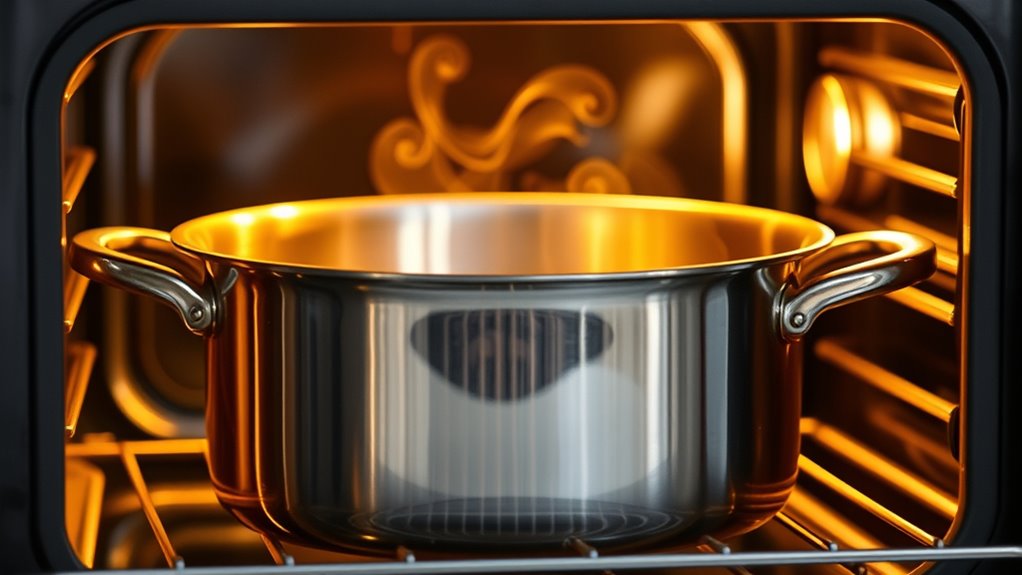
What Happens When You Put a Pot in the Oven?
Are you tired of guessing whether your favorite cookware is oven-safe? Many people struggle with figuring out what can handle high heat without getting damaged or releasing harmful fumes. Knowing which pots and pans are safe for the oven can save you time, money, and a lot of stress.
When you put a pot in the oven, high heat can cause materials to expand, warp, crack, or even release fumes if not oven-safe. Cast iron, stainless steel, ceramic, and glass are typically safe, while plastics, wooden handles, or damaged cookware should be avoided.
Oven temperature and pot material affect durability and safety.
To understand the best practices and potential risks, there’s more you should know about preparing and maintaining your cookware for oven use.
Key Takeaways
- Only oven-safe pots can handle high temperatures without warping, cracking, or releasing harmful fumes.
- Non-oven-safe plastics and wooden handles can melt, burn, or catch fire when exposed to oven heat.
- Properly labeled and designed cookware keeps its integrity and remains safe during oven use.
- Excessive oven temperatures can damage cookware, degrade coatings, or cause structural failure.
- Regular inspection and correct preparation help extend the lifespan and ensure safe oven use of pots.
Which Materials Are Safe for Oven-Proof Pots?
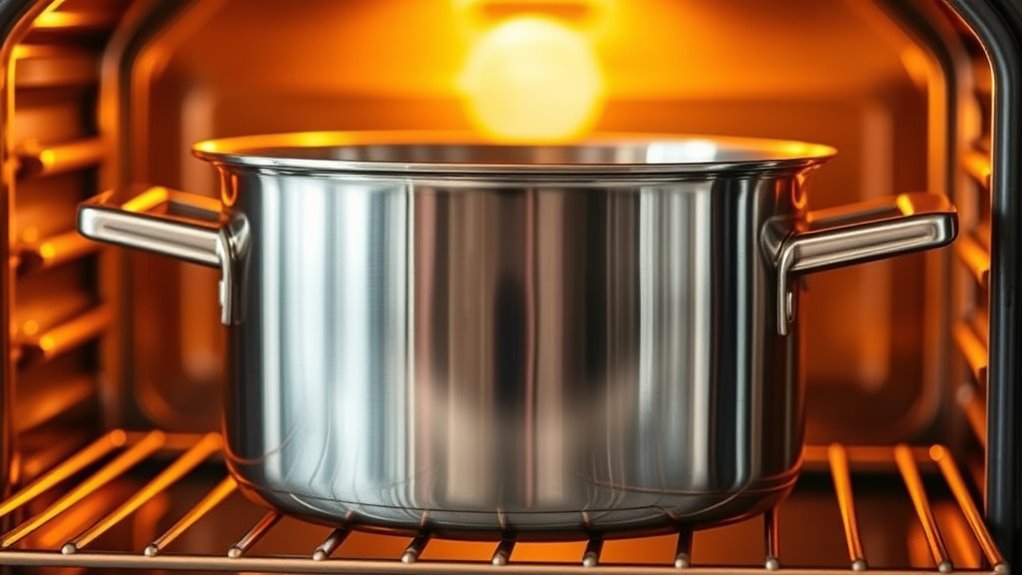
When choosing a pot to put in the oven, it’s important to know which materials can handle high temperatures without breaking or releasing harmful substances. Material safety is key, especially when oven temperatures reach 500°F or more.
Cast iron and stainless steel are great options because they handle high heat well and don’t release toxins. Ceramic and glass cookware labeled oven-safe are also good choices, but always check the manufacturer’s instructions to be sure of their temperature limits.
Avoid using non-stick pans with unknown coatings, as some can break down at high oven temperatures and release harmful fumes. Aluminum pots are generally safe but can discolor or warp if not designed for oven use.
Always make sure your cookware is explicitly labeled oven-proof and can sustain the oven’s temperature range. Picking the right materials helps keep your food safe and your cookware in good shape.
How Hot Can You Heat Pots in the Oven?
You’ll want to check how hot your pot can really get before sticking it in the oven. Different materials can handle different temperatures, so it’s important to know what yours is made of. If you go beyond that limit, you might end up damaging the pot or creating a safety hazard.
Figuring out your pot’s material and its heat tolerance is a smart move. It helps you avoid accidents and keeps your cookware in good shape for longer. So, always double-check the maximum temperature your pot can handle before turning up the heat in the oven.
Maximum Safe Temperature
Pots are generally designed to withstand high oven temperatures, but it’s important to know their safe limits to prevent damage or safety hazards. The maximum safe temperature depends on the material; some can handle higher heat without warping or degrading.
For example, cast iron and stainless steel pots often tolerate temperatures up to 500°F (260°C), while others like plastic or certain ceramics have lower limits. Always check the manufacturer’s recommended cooking temperature to stay within safe bounds.
Going beyond these limits risks warping, cracking, or releasing harmful fumes. To stay safe, use oven temperatures within the recommended range for your specific pot material. Avoid sudden temperature changes that could compromise its integrity.
Material Heat Tolerance
Different materials have specific heat tolerances, meaning some can withstand higher oven temperatures without damage. Your pot material determines how hot you can safely heat it in the oven.
For example, cast iron and stainless steel pots typically handle high temperatures well, often up to 500°F or more, making them suitable for oven safety.
Non-stick and aluminum pots usually have lower heat limits and may warp or degrade if exposed to too much heat. Always check your pot’s manufacturer guidelines to confirm its maximum safe temperature.
Ignoring these limits can lead to warping, melting, or even dangerous fumes. Understanding your pot material’s heat tolerance ensures you use it safely in the oven without risking damage or safety issues.
What Types of Cookware Should You Avoid Using in the Oven?
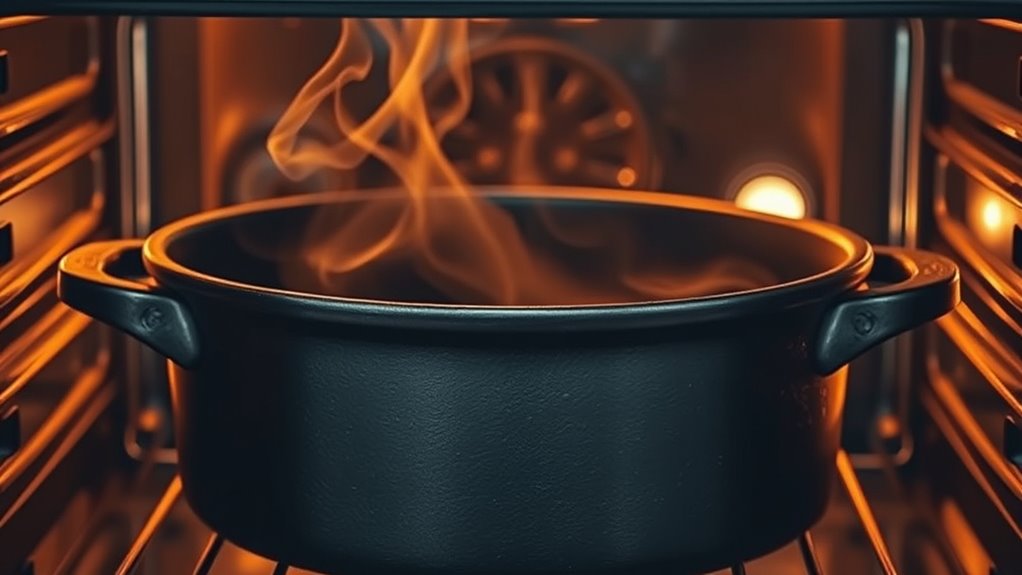
Some types of cookware just aren’t built to handle the oven’s heat, and using them can be risky. For example, certain materials might break or even release harmful substances when they get too hot. It’s also a good idea to avoid fragile or cracked pieces because they can shatter when exposed to high temperatures. And don’t forget about plastics — unless they’re specifically labeled as oven-safe, non-heat-resistant plastics can melt or warp, turning into a real mess and potentially dangerous.
Non-Oven Safe Materials
While many cookware materials are designed to withstand oven temperatures, some should never go in the oven because they can crack, melt, or release harmful chemicals. Avoid using:
- Plastic: Most plastics can melt or warp, risking damage and contamination.
- Non-oven-safe glass: Thin or decorative glass can shatter under heat, compromising pot lid safety.
- Aluminum foil lined with adhesives: The glue can melt and release toxins.
- Wood or bamboo: These materials are combustible and can catch fire.
Always check your cookware labels for oven safety. Improper materials can also hinder oven cleaning tips, leaving residues or causing damage. Using the right cookware ensures safety, preserves your tools, and prevents accidents.
Fragile or Cracked Pieces
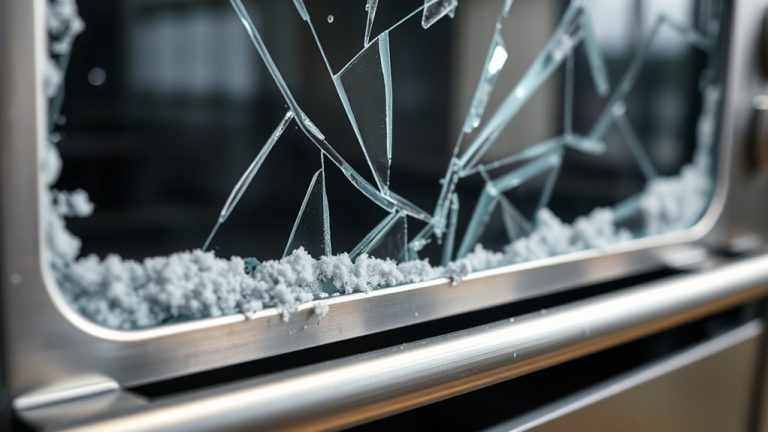
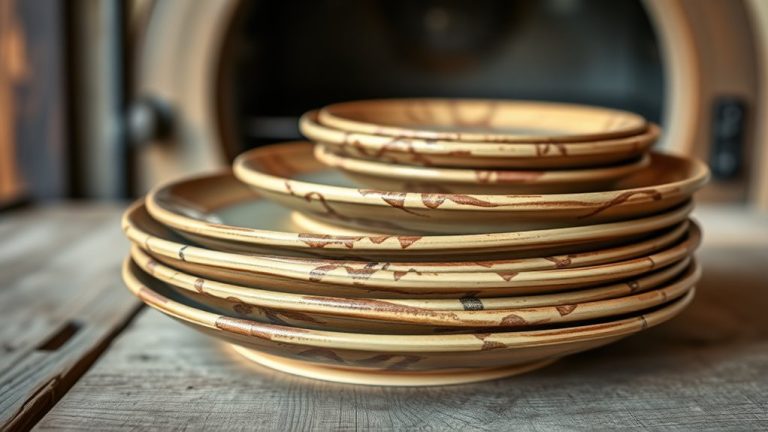
You should avoid putting fragile or cracked cookware in the oven because these pieces can break further or shatter under high heat. Ceramic cracks can expand, causing the dish to leak or break apart. Glass shattering is also a risk, especially if the glass is already compromised.
Using damaged cookware can lead to dangerous shards or spills. Always inspect your cookware before oven use. Cracks weaken the structure, making them unsafe and more likely to fail during heating.
| Material | Risk in Oven |
|---|---|
| Ceramic | Cracks worsen, potential breakage |
| Glass | Shattering, shards in food |
| Porcelain | Cracks expand, fragments risk |
Non-Heat Resistant Plastics
Avoid placing non-heat resistant plastics in the oven, as they can melt, warp, or release harmful chemicals when exposed to high temperatures. These plastics pose significant hazards and often aren’t compatible with oven heat.
To visualize the risks, consider plastic containers labeled “microwave-safe” but not oven-safe, which can soften or melt. Plastic wrap that isn’t heat-resistant can also risk chemical leaching.
Thin plastic utensils can warp or break apart, and old or cheap plastic cookware lacking proper material compatibility may deform dangerously. Using non-heat resistant plastics in the oven can compromise safety and food quality.
Always check labels and avoid plastics not specifically designed for oven use to prevent accidents and health risks.
How Does Oven Temperature Affect Different Pot Materials?
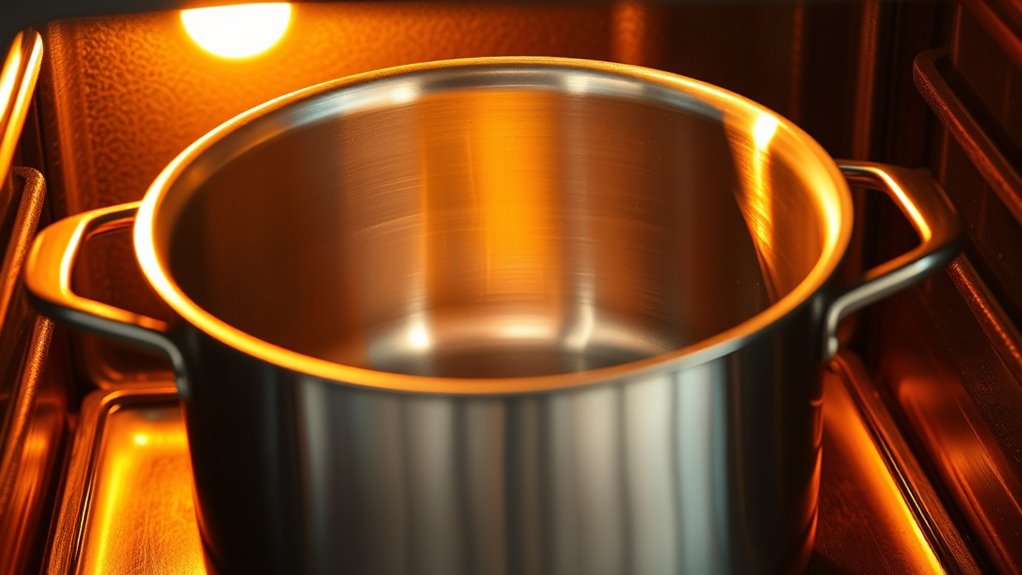
Different pot materials respond differently to oven temperatures, which affects both their durability and how well they cook. High temperatures can damage or warp some materials, especially if they’re not designed for oven use.
For example, cast iron handles heat evenly and can handle high temps, but delicate aluminum or non-stick coatings may break down or release harmful fumes. Always consider the cookware’s durability and kitchen safety when heating in the oven.
| Material | Oven Temp Tolerance | Notes |
|---|---|---|
| Cast Iron | Up to 500°F (260°C) | Very durable and great for high heat cooking. |
| Stainless Steel | Up to 500°F (260°C) | Resists warping and good for roasting. |
| Aluminum | Up to 400°F (204°C) | Warps easily at high temps, so avoid extreme heat. |
| Non-Stick Coating | Usually not oven safe | Can degrade or emit fumes at high temps. |
| Ceramic | Up to 450°F (232°C) | Handles high heat but can crack if not careful. |
Knowing these differences helps you stay safe and makes your cookware last longer.
Are Non-Stick Pots Oven-Safe and Safe to Use?
Non-stick pots can sometimes be oven-safe, but it really depends on the quality of the coating and the temperature you’re using. Many of these pots are rated for certain maximum temperatures, so if you go beyond that, it can damage the coating and make them unsafe to use.
It’s always a good idea to check your specific pot’s guidelines before putting it in the oven. That way, you can make sure you’re using it safely and avoid any potential issues.
Durability of Non-Stick Coating
Have you ever wondered how well non-stick coatings hold up when exposed to the oven’s heat? The durability of non-stick coatings depends on the quality and how you use them. Over time, high oven temperatures can cause the coating to degrade, peel, or scratch.
To keep your pot in good shape, consider these factors:
- Regularly clean your pot without abrasive scrubbers to help preserve the coating.
- Avoid sudden temperature changes, which can cause the coating to crack.
- Use wooden or silicone utensils to prevent scratches.
- Pay attention to handle durability, as oven heat can weaken handles if they aren’t designed for oven use.
Knowing these tips helps maintain your non-stick pot’s performance. This way, you can safely use it in the oven without risking damage to the coating or handles.
Oven Temperature Limits
Understanding the oven temperature limits of your pots is key to ensuring safe and effective use. Many non-stick and traditional cookware are designed for specific temperature ranges, which is vital for kitchen safety and preserving cookware maintenance.
Check the manufacturer’s guidelines to avoid overheating, as excessive temperatures can damage non-stick coatings or warp metal pots. Oven-safe labels indicate whether a pot can withstand high heat, but even then, staying within recommended temperature limits is essential.
Exceeding these limits risks releasing harmful fumes or compromising the pot’s integrity. Always monitor oven settings and avoid using pots beyond their heat capacity. Properly understanding and respecting temperature limits help you prevent accidents and extend your cookware’s lifespan.
What Are the Risks of Putting a Pot in the Oven?
Putting a pot in the oven can pose serious risks if you’re not careful. First, if the pot material isn’t compatible with oven use, it can crack, warp, or even release harmful fumes. Check the oven safety labels and manufacturer instructions to confirm your pot is oven-safe.
Second, some pots, like those with plastic handles, can melt or catch fire at high temperatures. Third, using the wrong pot can lead to uneven heating, risking burns or spills. Fourth, neglecting proper preheating or exceeding recommended temperature limits can cause structural damage or dangerous breakage.
Always verify pot material compatibility before oven use and follow oven safety labels. Ignoring these precautions can result in damage to your cookware, your oven, or personal injury. Being cautious ensures your cooking process is safe, efficient, and free from unexpected hazards.
How Can You Prepare Your Pots for Safe Oven Use?
Before placing your pot in the oven, it’s important to prepare it properly to ensure safety and good performance. Start by cleaning your pot thoroughly to remove any dirt or residues that could affect oven use.
For cast iron or similar materials, seasoning is key. Apply a thin layer of oil and bake it in the oven at a high temperature. This creates a non-stick surface and helps prevent rust.
If your pot has a coating, make sure it’s oven-safe. Avoid any with plastic handles or parts not designed for high heat, as they might melt or release harmful fumes.
Check for cracks or damage that could worsen with heat. Proper prep makes sure your pot can handle oven conditions without warping or releasing harmful substances.
Taking these steps reduces risks and helps your cookware last longer. It makes oven cooking safer and more effective.
How Does Oven Use Affect Your Pot’s Durability and Performance?
Using your pot in the oven can significantly impact its durability and performance over time. The material of the pot is really important—some metals like cast iron handle high temperatures better than delicate ceramics.
Repeated oven use can cause wear or warping, especially if the pot isn’t designed to be oven-safe. Warping or cracks may develop if it’s not meant for oven use, which shortens its lifespan.
Discoloration or staining might happen, especially with porous materials like unglazed clay. High heat can also damage non-stick coatings, reducing their effectiveness.
Materials like glass or ceramic can lose their structural integrity over time, leading to breakage. Choosing the right oven-safe pot helps keep it durable and performing well longer.
Proper care and selecting the right material can minimize damage and ensure consistent cooking results.
Common Mistakes to Avoid When Putting Pots in the Oven
One common mistake is assuming all pots are oven-safe without checking the manufacturer’s instructions. Not all pot materials can handle the same oven temperature limits or safety standards.
Using an unsafe pot can cause warping, cracking, or even release harmful substances. Always double-check the material safety and recommended temperature range before putting a pot in the oven.
Here’s a quick guide:
| Pot Material | Oven Temperature Limits | Notes |
|---|---|---|
| Cast Iron | High (up to 500°F) | Very durable, oven-safe |
| Aluminum | Moderate (around 400°F) | Avoid high heat to prevent warping |
| Non-stick Coated | Low to Moderate | Check coating safety, avoid overheating |
| Glass (Tempered) | Moderate (around 350°F) | Not all are oven-safe, verify |
When Should You Use the Stove Instead of the Oven for Cooking in a Pot?
Determining whether to use the stove or the oven depends on what you’re cooking and how much control you need. Choose the stove when you need precise techniques or quick adjustments.
Here are four situations where the stove is the better option:
- Simmering or boiling: The stove gives you better control for stirring and keeping an eye on things.
- Sautéing or searing: These methods need direct heat, which the stove provides instantly.
- Cooking in liquid: For gentle boiling or simmering, the stove helps you regulate the temperature.
- Kitchen safety: Using the stove reduces the risk of overheating or burning, especially with pots on the stovetop.
In these cases, the stove offers better control, faster response, and safer cooking, making it the ideal choice over the oven for these techniques.
Frequently Asked Questions
Can Metal Pots Be Used in a Convection Oven?
Yes, metal pots can be used in a convection oven, but it’s a good idea to check if they’re safe and compatible first. Most metal pots, like those made of stainless steel or cast iron, are oven-safe and can handle high temperatures without issues.
Avoid using non-stick or aluminum pots unless the manufacturer says they’re oven-safe. They might warp or get damaged in the heat.
Always look at the manufacturer’s guidelines to make sure your metal pot is safe to use in the oven.
How Do I Clean Oven-Proof Pots After Roasting?
To clean oven-proof pots after roasting, start with thorough cleaning techniques suited for oven-safe materials. Let the pot cool, then soak it in warm water with dish soap to loosen stuck-on food.
Use a non-abrasive scrubber or sponge to gently remove residue. For stubborn spots, create a paste of baking soda and water, and apply it to the affected areas.
Rinse well and dry to keep your oven-proof pots in great condition.
Are Ceramic Pots Prone to Cracking in the Oven?
Think of ceramic pots like delicate glass—beautiful but sensitive. Durability varies, but many can crack if exposed to sudden oven temperature changes.
When you put a ceramic pot in the oven, avoid extreme heat or rapid temperature shifts. This helps prevent cracking and keeps your cookware in good shape.
With proper care, most ceramic cookware can handle oven use. Just be sure to check your manufacturer’s guidelines to confirm your pot’s resilience and longevity.
Can I Use Glass Pots for Baking Casseroles?
Yes, you can use glass pots for baking casseroles if they’re made from heat-resistant glass and are oven-safe. Always check the glass safety label to make sure it can handle high temperatures.
Be cautious, though, because sudden temperature changes can cause the glass to crack or shatter. Preheat your oven properly and avoid putting cold glass directly into a hot oven.
If you choose the right glass pots, they’re a safe and effective option for baking casseroles.
How Long Can I Leave a Pot in the Oven Safely?
You should generally leave a pot in the oven for no more than 2 hours to ensure oven safety and keep your cookware in good shape.
Leaving a pot in the oven for too long can cause damage or warping, especially if it’s made of thin or non-oven-safe materials.
Did you know that keeping cookware in the oven too long can also increase fire risks? Always check your pot’s manufacturer guidelines.
Avoid extended baking sessions to keep your cookware safe and functional.
Conclusion
So, next time you toss that innocent-looking pot into the oven, remember—you’re basically inviting a tiny apocalypse on your cookware. Will it survive? Maybe. Will it thank you? Unlikely.
Just don’t be that person who ruins a perfectly good pot because you ignored the safe materials or crank up the heat like a mad scientist. Treat your pots with respect, or prepare for a fiery, melted mess that’s more tragedy than culinary triumph.
Always check if your pot is oven-safe before putting it in. Using the wrong materials can lead to cracking, warping, or even dangerous breakage.
Remember, not all pots are made to handle high temperatures. Metal, cast iron, and oven-safe glass are usually safe, but ceramic or non-stick coatings might not be.
So, keep the right materials in mind, and don’t turn your cooking adventure into a potential disaster. When in doubt, look for the oven-safe label—your pots will thank you.