Can Calphalon Pans Go in the Oven?
Many home cooks struggle with figuring out what cookware is oven-safe and how to use it safely. If you’re invested in your Calphalon pans, you probably want to know if they can handle the heat in the oven. You’re not alone—getting the most out of your cookware without damaging it can be tricky.
Yes, most Calphalon pans are oven-safe, especially those made from materials like stainless steel and hard-anodized aluminum. However, you should always check the specific pan’s manufacturer guidelines and temperature limits, as non-stick coatings may have restrictions.
Handles also matter—stainless steel handles usually withstand oven heat better than silicone or plastic ones.
Want to know how to safely use and maintain your Calphalon in the oven? Keep exploring for all the tips you need.
Key Takeaways
Many Calphalon pans are oven-safe, but always check the manufacturer’s instructions for specific temperature limits.
Hard-anodized aluminum and stainless steel Calphalon pans are generally suitable for oven use.
Nonstick coatings may have temperature restrictions; exceeding limits can damage the coating.
Handle material affects oven safety; stainless steel handles are typically safe, while silicone or plastic may have limits.
Verify the specific pan’s oven compatibility before use to prevent damage and ensure safety.
Are Calphalon Pans Oven-Safe? What You Need to Know
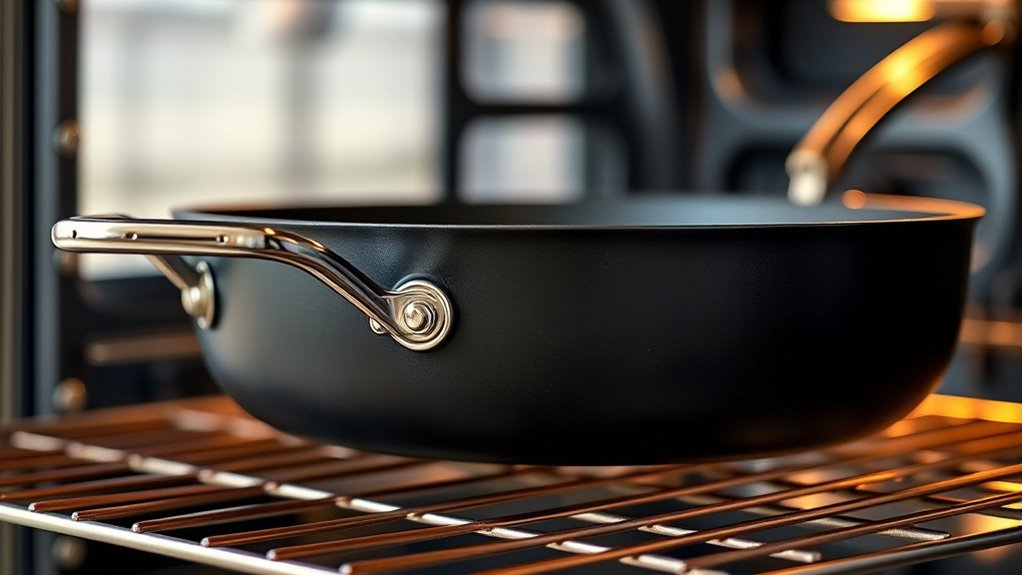
Many Calphalon pans are designed to withstand oven temperatures, but it’s important to verify your specific cookware to be sure. When considering oven use, prioritize cooking safety by understanding the material composition of your pan.
Calphalon offers different types of pans, including hard-anodized aluminum, non-stick, and stainless steel. Each material has its own oven safety limits—some are oven-safe up to 450°F, while others can handle higher temperatures.
Comparing materials helps you determine their suitability for oven cooking. Hard-anodized aluminum pans are durable and typically oven-safe, but non-stick coatings may have temperature restrictions.
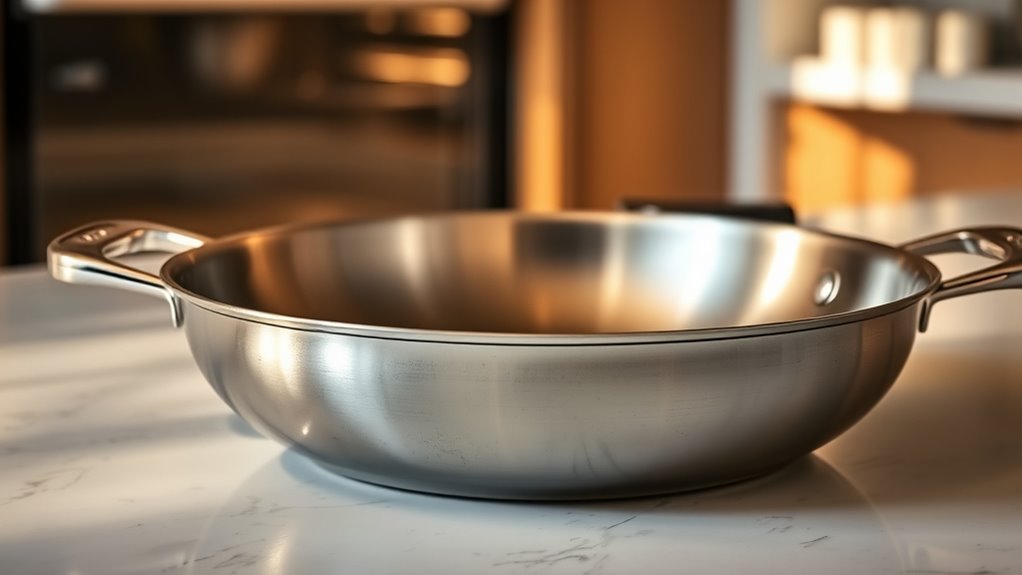
Stainless steel pans generally tolerate higher heat levels. Always check the manufacturer’s instructions or markings on your pan to avoid damage or safety hazards.
Knowing the material comparison and following cooking safety guidelines will help you use your Calphalon pans confidently and effectively in the oven.
Which Types of Calphalon Pans Can Handle Oven Use?
Not all Calphalon pans are built for oven use, especially those with nonstick coatings that might have temperature restrictions. It’s a good idea to check whether the handles are made of oven-safe materials like stainless steel or silicone, since these can handle higher heat without any issues.
Also, think about the type of cookware. For example, stainless steel and hard-anodized aluminum pans tend to be more oven-friendly compared to other options. So, if you’re planning to use your Calphalon pans in the oven, it’s worth paying attention to these details to make sure you’re choosing the right ones.
Nonstick Coating Limitations
Since nonstick coatings are often sensitive to high temperatures, it’s important to know which Calphalon pans can safely go in the oven. Many nonstick Calphalon pans have temperature limits because too much heat can damage the coating.
Excessive heat can cause the coating to peel or blister, reducing its nonstick effectiveness and lifespan. When using these pans, think about your cooking techniques—high heat isn’t always the best choice.
Proper storage is also key. Avoid stacking nonstick pans directly on top of each other, as scratches can damage the coating. Always check the manufacturer’s guidelines before using your Calphalon pans in the oven.
This helps protect the nonstick surface and makes your cookware last longer.
Oven-Safe Handle Materials
If you plan to use your Calphalon pans in the oven, paying attention to the handle material is essential because it determines their oven safety. Calphalon offers pans with various handle materials, including stainless steel, silicone, and bakelite, which can influence oven compatibility.
Stainless steel handles are generally oven-safe up to high temperatures, making them a reliable choice. Silicone and bakelite handles are usually heat-resistant only to moderate temperatures, often suitable for baking or roasting but not for broiling.
Calphalon’s broad color options and sleek designs reflect the brand’s long-standing history of quality cookware. Knowing the handle material helps you select the right pan for oven use, ensuring safety and durability while matching your kitchen style.
Compatibility of Cookware Types
Calphalon offers a variety of cookware types, but not all are suitable for oven use. When considering oven compatibility, check the maximum temperature each pan can handle.
Many Calphalon pans, like hard-anodized aluminum and stainless steel, are designed for oven use, often up to 450°F or higher. Non-stick pans, however, may have lower temperature limits and need careful maintenance to prevent damage.
Always verify the manufacturer’s guidelines for oven safety. Proper pan maintenance helps keep the non-stick coating intact and ensures the pan remains safe for oven use.
Understanding your cookware type and its temperature limits helps you avoid warping or damaging your pans. This makes your cooking safer and more efficient.
What Are the Oven Temperature Limits for Calphalon Pans?
Calphalon pans have different oven temperature limits depending on what they’re made of and how they’re built. So, it’s important to know how hot they can safely get before you start cooking. If you go beyond the recommended temperature, you might end up damaging the pan or shortening its lifespan.
Basically, the durability of your pans really matters when it comes to oven temperatures. The more sturdy and high-quality they are, the higher you can safely set your oven without worries. So, always check the specific temperature guidelines for your Calphalon pans to keep them in great shape.
Maximum Oven Temperature
Understanding the maximum oven temperature your pans can handle is key to preventing damage and ensuring safe cooking. Most Calphalon pans are oven-safe up to 450°F, but this can vary by model. Always check the manufacturer’s guidelines to find the specific temperature limit for your pan.
Staying within this range helps your cookware maintain its integrity and last longer. When using Calphalon pans for different cooking techniques, avoid exceeding the recommended temperature to prevent warping or coating damage. Proper maintenance also involves sticking to these limits.
This helps keep your pans in top shape and makes cleaning easier. Remember, going over the maximum temperature can compromise performance and safety. Always know your pan’s limits before using it in the oven.
Material and Durability
The material and construction of Calphalon pans play a big role in how hot they can get in the oven and how long they last. Most are made from hard-anodized aluminum, which handles high heat well and resists warping.
This material is great for different cooking methods like roasting and baking. But pushing the oven temperature beyond the recommended limit can damage the non-stick coating or warp the pan.
Proper storage is key to keeping your pans in good shape. Avoid stacking heavy items on top to prevent scratches and dents. Check the manufacturer’s guidelines to know the safe oven temperature for your specific pans.
Using the right techniques and storing them carefully helps your Calphalon pans stay reliable and functional over time.
How to Check If Your Calphalon Pan Is Safe for Oven Use
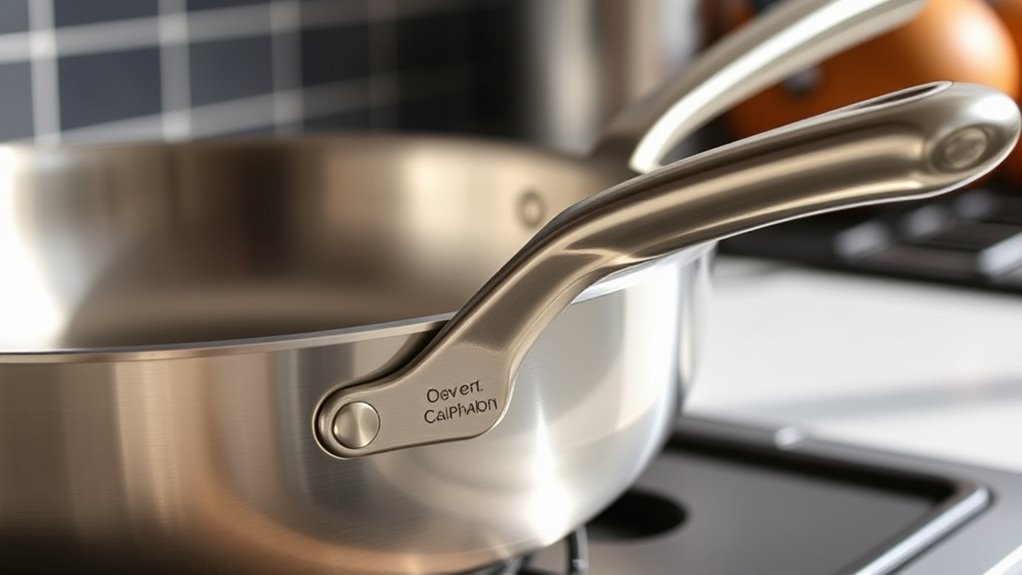
Before placing your pan in the oven, it’s important to check if it’s designed to handle high temperatures. Look at the manufacturer’s instructions or labels for oven safety.
Find words like “oven-safe” or check for temperature limits. These clues tell you if your pan can withstand the heat.
Material matters too. Calphalon pans made from hard-anodized aluminum usually handle higher temperatures better than non-anodized ones.
If your pan has a non-stick coating, make sure it’s rated for oven use. Some coatings can break down if they get too hot.
Check the handles. Metal handles are usually oven-safe, while rubber or plastic ones might not be.
Finally, look at the bottom of the pan for symbols or writing that say it’s oven-safe.
Following these steps will help you know if your Calphalon pan is safe for the oven, avoiding damage and keeping your cooking safe.
Can Non-Stick Calphalon Pans Be Used in the Oven?
Can you safely use non-stick Calphalon pans in the oven? Yes, but it’s important to follow some precautions to keep things safe. Most non-stick Calphalon pans are oven-safe up to around 400°F to 450°F. Always check the manufacturer’s guidelines before putting your pan in the oven.
Using non-stick pans at very high temperatures can cause the coating to break down, which might release fumes and shorten the pan’s lifespan. Proper heat distribution is key; these pans heat evenly, helping prevent hot spots and ensuring your food cooks uniformly.
Avoid sudden temperature changes, like putting a hot pan into cold water, to protect the non-stick coating. If you follow these safety tips, your non-stick Calphalon pans can be used in the oven without risking damage or safety issues. Just remember, safety always comes first.
How to Use Calphalon Pans Safely in the Oven
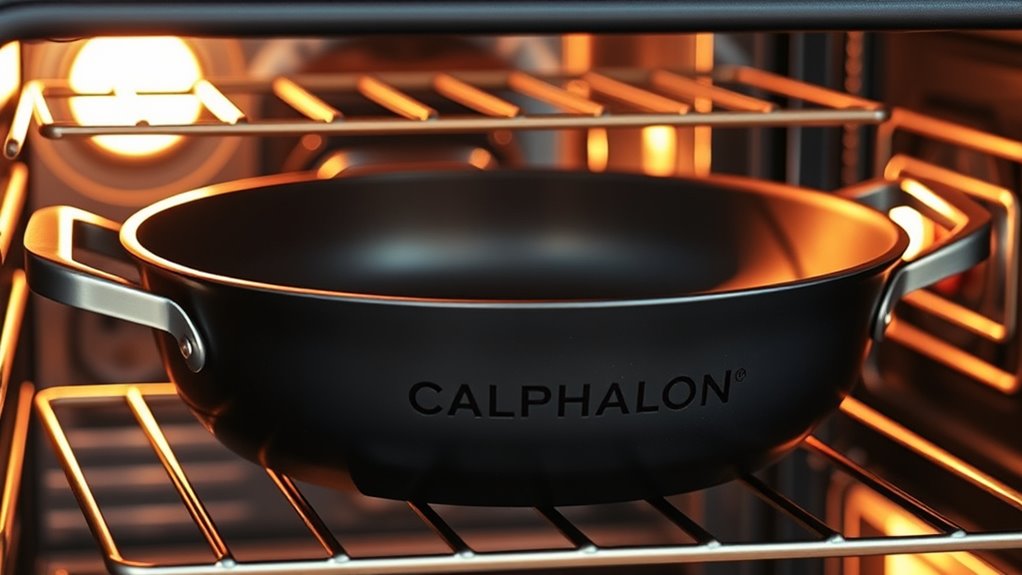
Using your Calphalon pans safely in the oven is pretty straightforward, but it’s important to keep a few things in mind. First off, always check the manufacturer’s recommended temperature limits for your specific pans. This way, you won’t accidentally overheat them and cause damage or safety hazards.
When you’re handling hot pans, be sure to do so carefully—use oven mitts or pot holders to avoid burns. And when you’re removing them from the oven, take your time. Hot pans can be slippery or heavy, so a steady hand is key. By sticking to these simple tips and staying within the recommended temperature range, you can keep your Calphalon pans in great shape and enjoy cooking with them safely.
Oven Temperature Limits
Understanding the oven temperature limits of your Calphalon pans is essential for safe and effective use. Most Calphalon cookware can handle temperatures around 400°F to 450°F.
Exceeding these limits can damage the non-stick coating or warp the pan. Always check the manufacturer’s guidelines for your specific pan model to ensure oven safety.
If you plan to cook at high temperatures, make sure your pan is rated for that. Properly managing oven temperature helps prevent accidents and extends the lifespan of your cookware.
It also ensures your food cooks evenly. Ignoring these limits risks damaging your pans or creating safety hazards.
Staying within the recommended temperature range keeps your Calphalon pans in good condition and your cooking safe.
Proper Handling Techniques
Handling Calphalon pans safely in the oven requires careful attention to their construction and your actions. Always check the manufacturer’s guidelines for oven safety and temperature limits.
To guarantee kitchen safety, avoid sudden temperature changes that can warp or damage the pan. Use oven mitts when handling hot cookware, and be mindful of the pan’s handles, which can get hot.
Proper cookware storage means keeping your Calphalon pans in a dry, secure place where they won’t be knocked over or damaged. When placing or removing the pan from the oven, do so slowly and carefully to prevent spills or burns.
Following these handling techniques helps extend your cookware’s lifespan and keeps your kitchen safe during oven use.
Are Stainless Steel and Hard-Anodized Calphalon Pans Suitable for Baking?
Stainless steel and hard-anodized Calphalon pans are generally suitable for baking, but it’s important to look at their specific features. These types of cookware are durable and can handle high oven temperatures, making them versatile for many baking tasks.
However, their suitability depends on the pan’s design, handles, and what the manufacturer recommends. Always check the manufacturer’s instructions for oven safety to ensure proper use and avoid damage. Using the right pan also helps keep your kitchen safe by preventing warping or melting.
Think about handle construction and heat resistance, non-reactivity with acidic ingredients, even heat distribution, and compatibility with regular oven temperatures. Proper cleaning and maintenance are also key for keeping your pans in good shape for a long time.
What Are Common Mistakes When Using Calphalon in the Oven?
One common mistake people make when using Calphalon in the oven is not paying attention to the manufacturer’s temperature guidelines. Ignoring these recommendations can cause damage or warping, which affects both the material and safety.
Calphalon’s hard-anodized aluminum pans are durable, but exceeding their heat limits can lead to the non-stick coating degrading or the pan warping. When comparing materials, stainless steel Calphalon pans can handle higher oven temperatures, but you still need to follow specific guidelines.
Failing to do so risks uneven cooking and potential safety hazards. Overlooking the manufacturer’s instructions can also void warranties and shorten your pans’ lifespan. Always check the maximum oven temperature allowed for your specific Calphalon cookware.
Proper use ensures your pans perform well and helps avoid damage caused by heat. Remember, following material comparison insights and safety protocols is key for long-lasting, safe oven use.
How to Clean and Maintain Calphalon Pans for Oven Use
To keep your Calphalon pans in top shape for oven use, regular cleaning and proper maintenance are key. Following these tips will help their longevity and performance.
After each use, let the pan cool before washing. This helps prevent warping and keeps your pan in good shape. Use warm water, mild dish soap, and a soft sponge to gently clean the surface.
Allow pans to cool before washing to prevent warping and maintain their quality.
Avoid abrasive scrubbers that can damage the non-stick coating. For stubborn stains, soak the pan briefly or make a paste with baking soda and water. This helps lift any stuck-on food gently.
To keep your pans in great condition, check for scratches or chips regularly. Avoid metal utensils that can scratch the surface. Store them in a dry, protected space to prevent warping or damage.
Also, avoid dishwasher cleaning if your model isn’t dishwasher safe. Harsh detergents can wear down the coating over time. Following these simple routines will keep your Calphalon pans oven-ready and lasting for years.
Troubleshooting Tips for Oven-Used Calphalon Cookware
Even with careful use, you may encounter occasional issues when using Calphalon cookware in the oven. If you notice warping or discoloration, check your cooking techniques. Avoid sudden temperature changes and always preheat your oven properly to prevent thermal shock.
If food sticks or burns, consider adjusting your cooking time or temperature. Proper cookware storage is essential—store your Calphalon pans in a dry, cool place to prevent damage to the non-stick coating.
If the coating begins to chip or peel, discontinue oven use and replace the pan to avoid ingestion of particles. For stubborn stains or residue, use gentle cleaning methods, avoiding abrasive scrubbers that can damage the surface.
Always follow manufacturer guidelines for oven temperature limits. If you experience persistent issues, contact customer support. Troubleshooting these common problems guarantees your Calphalon pans perform well and last longer in the oven.
Frequently Asked Questions
Can Calphalon Pans Withstand High-Temperature Broiling?
Calphalon pans can generally handle high-temperature broiling, but it’s important to check their oven safety and heat resistance ratings first.
Most Calphalon pans are made for oven use, but some have non-stick coatings that might not stand up to extreme heat.
To stay safe, make sure your pan is labeled as broiler-safe and don’t go beyond the maximum temperature listed by the manufacturer.
This helps prevent damage and keeps your cooking safe when using high heat.
Are Calphalon Pans Dishwasher Safe After Oven Use?
Are Calphalon pans dishwasher safe after oven use? Yes, they generally are, but it’s best to check your specific model. The non-stick coating can handle dishwasher cleaning, yet frequent washing might wear it down over time.
Moreover, the handle durability is key. Dishwasher cycles can sometimes loosen handles. To keep your pan in top shape, hand washing is recommended, especially after oven use.
How Long Can Calphalon Pans Be Safely Baked in the Oven?
You can safely bake Calphalon pans in the oven for up to 2 hours because of their durable material and heat resistance.
These pans are made to handle high temperatures, but too much time in the oven might affect the non-stick coating or handles.
Always check the manufacturer’s guidelines for specific temperature limits and avoid going over them to keep your pans in good shape during baking.
Do Calphalon Pans Require Special Oven Mitts for Handling?
No, Calphalon pans don’t need special oven mitts—just the usual oven safety precautions. Their handles are usually oven-safe, so you can handle them confidently, but always double-check your specific model.
For safe handling tips, use thick, insulated oven mitts to prevent burns and avoid unnecessary accidents. Ironically, the real challenge isn’t the pan’s material but resisting the urge to grab it with your bare hands straight from the oven!
Can Calphalon Pans Be Used on Induction Cooktops After Oven Use?
Yes, you can use Calphalon pans on induction cooktops after oven use. Their non-stick coating stays effective, and the handle is durable enough for safe handling.
Just make sure the pan has a magnetic base, which Calphalon usually provides, to ensure it’s compatible with induction cooktops.
After using the oven, let the pan cool down before placing it on the induction surface. This helps prevent warping and keeps the non-stick properties intact.
Conclusion
Remember, not all Calphalon pans are created equal, so always check their oven safety first.
With proper care and awareness of their limits, you can confidently bake, roast, or broil using your favorite Calphalon cookware.
Just like the saying goes, “A stitch in time saves nine,” taking a moment to verify oven safety now saves you from mishaps later.
Happy cooking, and enjoy your culinary adventures without worry about whether Calphalon pans go in the oven!