5 Key Factors That Determine How Much It Costs to Install Kitchen Cabinets
Are you dreaming of updating your kitchen but feeling overwhelmed by the potential costs? You’re not alone—many people struggle with figuring out how much a cabinet renovation will actually cost. Understanding what influences these expenses can help you plan better and avoid surprises.
Your kitchen cabinet costs depend on several key factors. First, the materials you choose, like solid wood or particleboard, affect both price and maintenance.
Second, the size and layout of your kitchen influence how many cabinets and customization are needed.
Third, adding custom features or intricate hardware can drive up expenses.
Fourth, installation costs vary based on complexity and contractor experience.
Ultimately, local labor and material prices play a big role. Keep exploring to find out how each aspect fits your budget.
Key Takeaways
- Material choice affects both the initial costs and ongoing maintenance expenses.
- The size and layout of your kitchen influence how much cabinetry you need and how complex the installation will be.
- Custom features and finishes can significantly raise both labor and material costs.
- Installation complexity, especially with design details, impacts the number of labor hours and overall pricing.
- Local labor rates and regional material costs directly impact your total project expenses.
What Do Kitchen Cabinet Materials Cost?
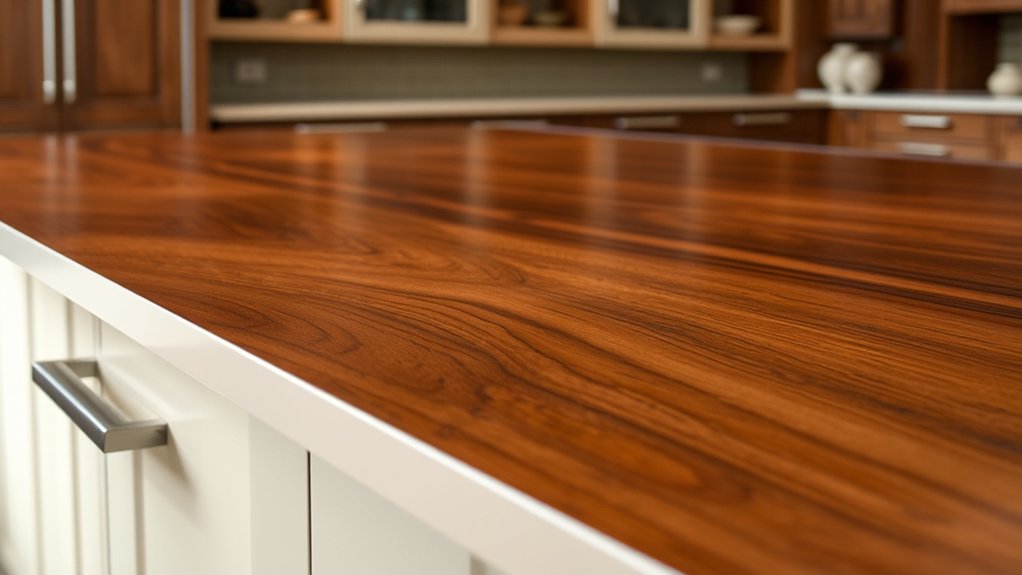
The cost of kitchen cabinet materials varies widely depending on the type you choose. When considering your options, think about cabinet durability—some materials withstand daily use better than others, which can affect long-term costs.
For example, solid wood offers excellent durability but tends to be pricier, while particleboard is cheaper but less resistant to moisture and wear. Material maintenance also plays a role; high-maintenance materials might require regular sealing or special cleaning, adding to ongoing expenses.
If you prefer low-maintenance options like laminate or thermally fused melamine, you’ll spend less time and money on upkeep. Keep in mind that cheaper materials may save you upfront costs but could lead to higher replacement or repair costs later.
How Does Your Kitchen Size and Layout Impact Cabinet Prices?
Your kitchen size and layout directly influence cabinet prices because larger spaces require more cabinetry, which increases material and labor costs. A spacious kitchen with an open design needs more cabinets to maximize storage, raising expenses.
On the other hand, a smaller kitchen might need fewer cabinets, which can lower the overall cost. The design of your kitchen also impacts how cabinets are installed, especially with features like islands, corner units, or custom setups, all of which add to labor time and costs.
Standard cabinet styles usually work well for simple layouts, but if you have a unique or complex design, you’ll likely need custom options that come at a higher price. The placement and accessibility features of your cabinets can also affect costs, especially if you choose upgraded or specialized styles.
In the end, understanding your kitchen’s size and layout helps you better estimate your budget and select cabinet styles that fit both your needs and your financial plan.
What Custom Features Can Increase Your Cabinet Budget?
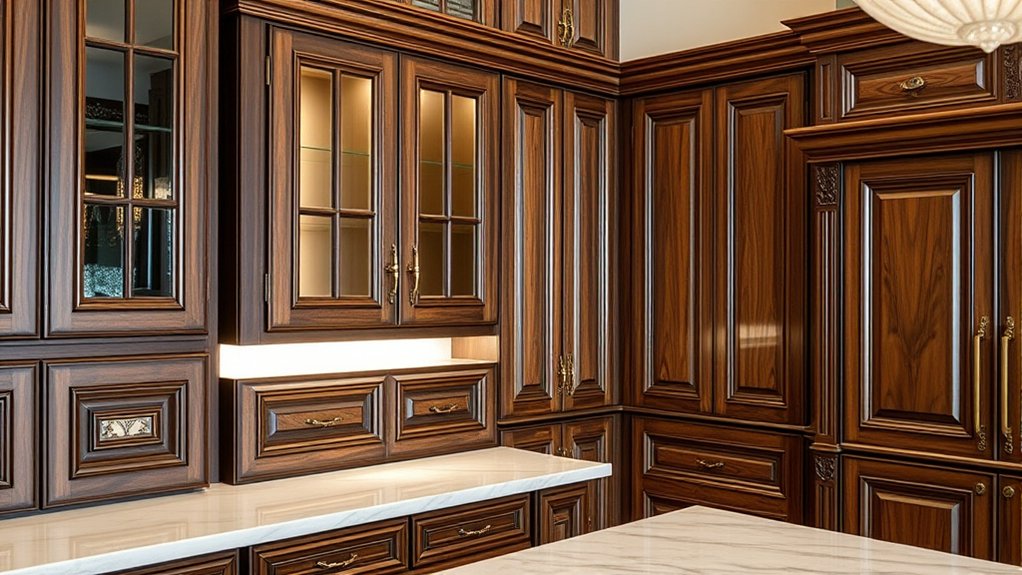
Adding custom features to kitchen cabinets can significantly increase your overall budget. These upgrades often need specialized materials, craftsmanship, or installation techniques.
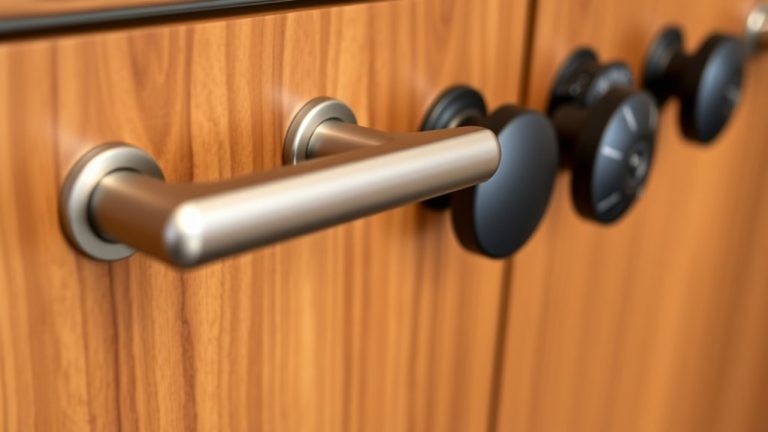
Custom hardware like ornate handles or unique knobs adds a personal touch but also raises costs because of design complexity and material quality. Choosing unique finishes, such as hand-applied stains, glazes, or lacquered surfaces, can improve the look but come with higher labor and material costs.
These features usually require skilled artisans and precise application, which drives up the price. If you decide on custom features, expect to pay more for the added detail and exclusivity.
While they can greatly enhance the look and feel of your kitchen, they also mean careful budgeting. Remember, the more intricate or rare the hardware and finishes, the more it impacts your overall cabinet costs.
Why Is Installation Cost So Variable?
Custom features can really boost the look of your cabinets, but they also make installation costs much more variable. The complexity of your project affects how long the installation takes, which impacts costs.
A longer timeline means more labor hours and possible delays, which can increase expenses. The reputation of your contractor also matters—experienced, reputable contractors might charge more, but they often get the job done faster and smoother.
On the other hand, less established contractors may offer lower upfront costs but can cause delays or mistakes that end up costing you more later.
| Factors Influencing Cost | Emotional Impact |
|---|---|
| Installation timeline | Frustration or relief depending on speed |
| Contractor reputation | Confidence or worry about quality |
| Custom features | Excitement or disappointment if unexpected costs arise |
Knowing these variables helps you understand the unpredictable nature of installation costs and set realistic expectations.
How Do Local Labor and Material Costs Affect Your Overall Budget?

Local labor and material costs play a big role in shaping your overall budget for kitchen cabinet installation. If local labor is more expensive, you’ll probably pay more for skilled workers to ensure quality installation, especially if you want features like appliance integration that need precise fitting.
Material costs also vary depending on quality and style. High-end cabinets or unique color options can increase your expenses. Integrating appliances seamlessly might require custom cabinetry, which adds to both labor and material costs.
Keep in mind that areas with higher living costs tend to have higher labor rates, impacting your total outlay. Choosing budget-friendly materials or standard cabinet colors can help manage costs, while premium finishes or custom designs will raise your budget.
Ultimately, understanding local labor and material costs helps you plan better and make informed choices about features like appliance integration and cabinet aesthetics.
Frequently Asked Questions
How Long Does a Typical Kitchen Cabinet Installation Take?
A typical kitchen cabinet installation usually takes about one to three days, depending on the material and the installation schedule.
If you’re using custom or high-end materials, it might take a bit longer because of the extra precision needed.
For standard cabinets, the process tends to be quicker.
The overall timeline also depends on whether you’re doing a full remodel or just replacing cabinets.
But generally, a professional team can get it done efficiently within this timeframe.
Are There Financing Options for High-End Kitchen Cabinets?
Yes, there are financing options available for high-end kitchen cabinets. You can look into special financing plans from retailers or lenders that work with home improvement stores.
These plans often include low-interest or deferred payment options, making it easier to get premium cabinets without paying everything upfront. Just be sure to compare different offers, read the terms carefully, and pick the one that fits your budget and repayment style.
Can I Install Cabinets Myself to Save Costs?
If you decide on DIY installation, you can cut costs significantly.
For example, replacing your old cabinets yourself can save hundreds on labor fees.
While it takes time, effort, and some skill, doing it yourself can be a smart way to save money.
Just make sure you have the right tools and follow the proper steps.
This helps you avoid costly mistakes and keeps the project manageable and budget-friendly.
What Are the Most Common Installation Mistakes to Avoid?
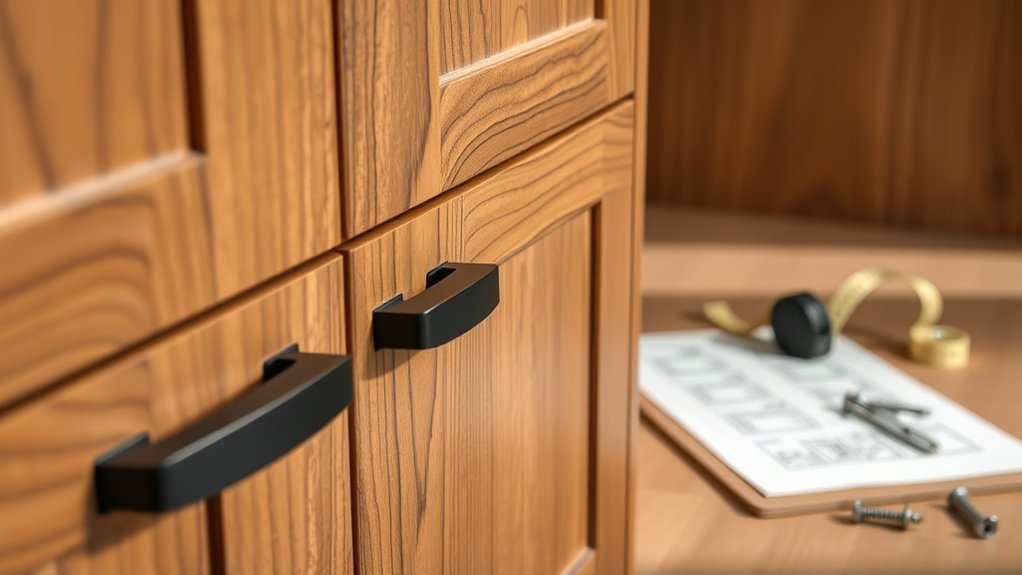
You should avoid common installation mistakes like rushing the process or ignoring proper measurements. Taking your time helps prevent errors that can be costly later on.
Pay close attention to cabinet design and material selection to guarantee your cabinets fit well and look great. Choosing the right materials and design makes a big difference.
Use a level to keep everything straight, and double-check your measurements before drilling. Small mistakes here can throw off the entire installation.
If you’re unsure about any step, consider consulting a professional. Getting expert advice can save you time and prevent costly errors.
Proper planning and care help ensure a smooth installation and a beautiful kitchen you’ll love.
How Do Warranty and After-Sales Service Influence Overall Cost?
Warranty coverage and after-sales support significantly impact the overall cost of installing kitchen cabinets. Choosing a provider with comprehensive warranty coverage might mean paying more upfront, but it can save you money on repairs or replacements later on.
Good after-sales support ensures issues are resolved quickly, which helps avoid additional expenses down the line. While these services may increase your initial costs, they give you peace of mind and make your investment more cost-effective overall.
Conclusion
Understanding these key factors helps you navigate your kitchen remodel with confidence.
From choosing materials to contemplating custom features and local costs, each element plays a crucial role in shaping your budget.
Remember, overlooking even one detail can turn a manageable project into an overwhelming financial maze.
It’s like trying to find a needle in a haystack!
Stay informed, plan carefully, and you’ll transform your kitchen without breaking the bank.
Knowing the main factors that determine how much it costs to install kitchen cabinets makes all the difference.