How Much Does Kitchen Cabinet Refinishing Cost?
Are you tired of looking at outdated or worn kitchen cabinets but worried about the high cost of a full replacement? You’re not alone—many homeowners struggle with balancing style upgrades and budget constraints.
The good news is, refinishing your kitchen cabinets can give your space a fresh look without breaking the bank.
Kitchen cabinet refinishing typically costs between $1,200 and $6,000, depending on factors like color choices, hardware upgrades, and the refinishing method you choose. Simple, neutral colors with basic hardware are more budget-friendly, while bold finishes or custom colors increase costs.
The size of your kitchen and any hidden repairs can also add to the expense. To find out how to optimize your project and save, keep exploring the details ahead.
Key Takeaways
- Refinishing costs usually range from $1,200 to $6,000, depending on the size of your kitchen, materials used, and the techniques you choose.
- Things like color options, hardware upgrades, and how complex the refinishing process is can all influence the overall price.
- If your kitchen is larger or has more intricate details, expect to pay more because of the extra materials and labor involved.
- Doing it yourself can save money, but it might take more time and require some skill. Hiring professionals generally results in a smoother, more polished finish.
- It’s a good idea to budget an extra 15-20% for unexpected repairs or hidden damages that might come up during the project.
How Much Does Kitchen Cabinet Refinishing Cost on Average?
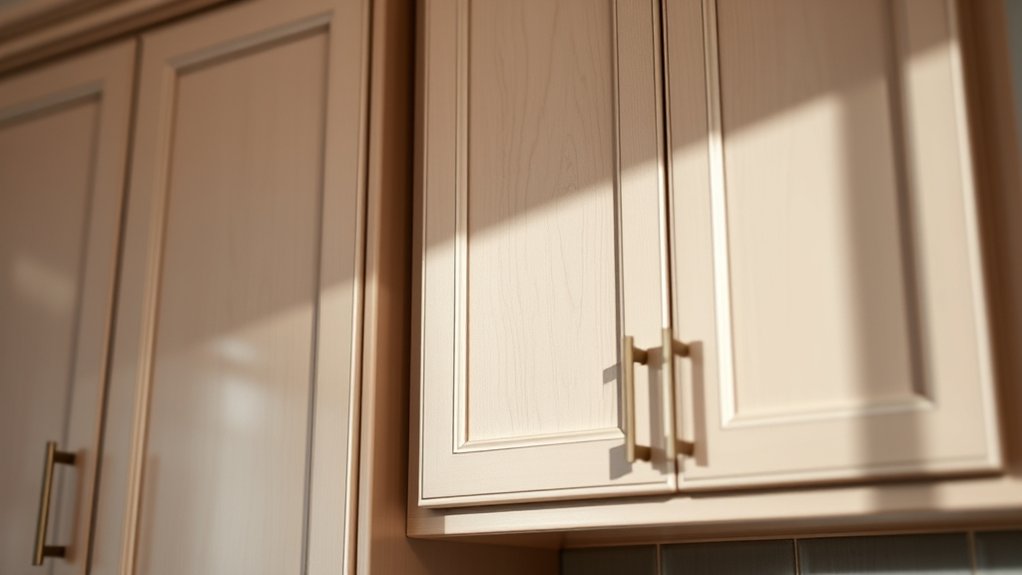
On average, kitchen cabinet refinishing costs between $1,200 and $6,000. Your total expense depends on choices like color options and hardware styles.
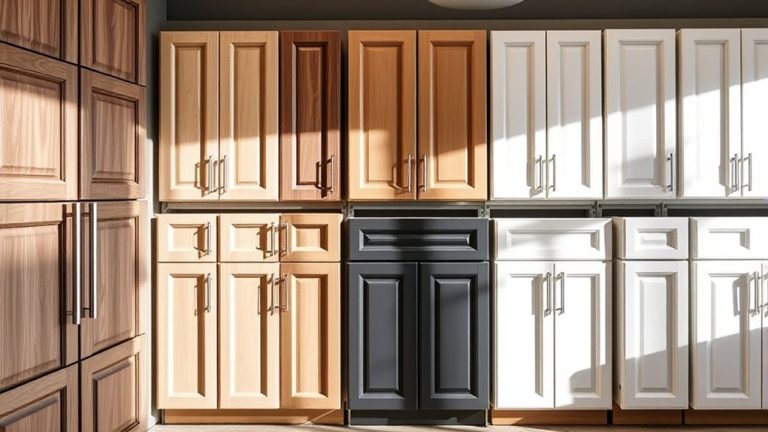
If you go with a simple, neutral color, the cost stays lower, especially with basic hardware. Choosing bold or custom colors might increase the price because of extra prep work or special finishes.
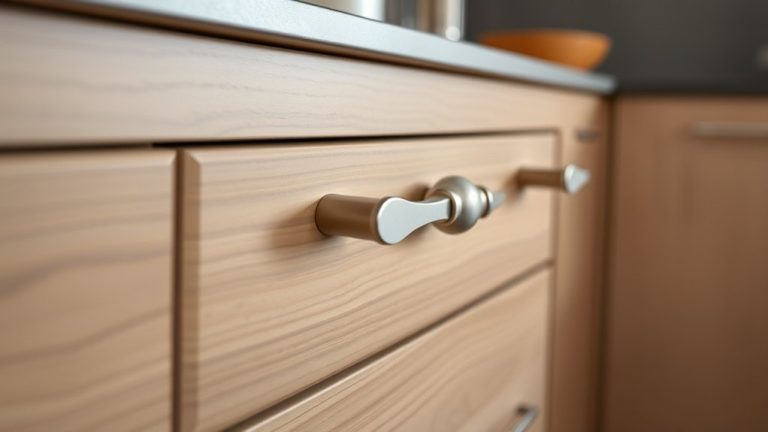
Changing hardware styles can also affect costs—upgrading to high-end knobs, pulls, or decorative hardware adds to the total. For a seamless, uniform look, refinishing with a single color is usually more budget-friendly.
If you prefer a two-tone or contrasting color scheme, expect the price to go up. Keep in mind that intricate hardware designs or trendy finishes may also raise your overall budget.
What Factors Affect the Cost of Refinishing Cabinets?
The cost of refinishing your cabinets really depends on a few different things. First off, the type and quality of the materials used for your cabinets can make a big difference. Higher-end woods or custom finishes tend to cost more to refinish than standard materials.
Then, there’s how much work needs to be done. If your cabinets only need a light touch-up, it’ll probably be less expensive. But if there’s significant damage or deep scratches that need fixing, that can add to the cost.
Finally, the finishing techniques you choose also play a role. Some methods, like high-gloss or specialty paints, can be more costly than simple stain or matte finishes. Understanding these factors can really help you get a better sense of what your project might cost overall.
Cabinet Material Quality
The quality of your cabinet materials has a big impact on the cost of refinishing. Higher-quality materials usually need more careful prep and special finishes, which can add to the cost.
For example, premium woods like oak or cherry are more durable and look better, but they also cost more to refinish. The type of hardware you choose also affects the price—upgrading to high-end knobs or handles will increase expenses.
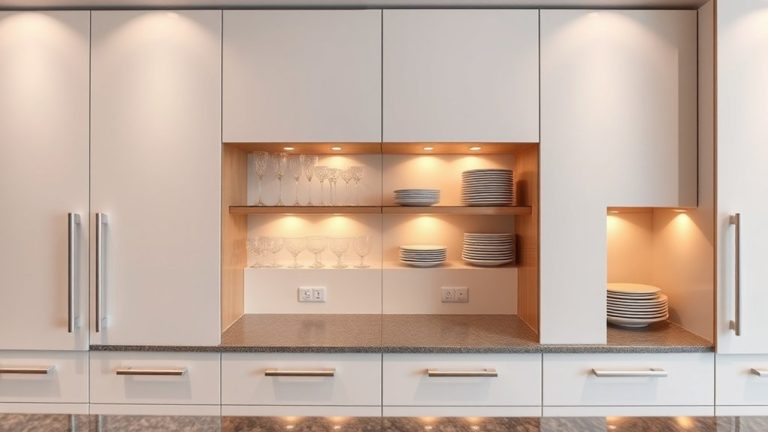
Lighting fixtures, especially if they’re built into the cabinets or used as accents, also influence the overall cost. These depend on how complex and high-quality the fixtures are.
Think about these factors: material durability impacts how long your cabinets last and how hard they are to refinish. Hardware quality boosts the look but adds to the cost. Lighting choices affect both the style and labor involved.
Balancing these elements can help you stick to your refinishing budget without sacrificing style or quality.
Extent of Damage
When your cabinets sustain more extensive damage, refinishing costs can go up quite a bit. Deep scratches, water stains, or warped wood need more work and materials, which increases the price.
If you want to keep decorative hardware or restore a vintage look, expect extra costs for careful removal, cleaning, and reinstallation. Damaged surfaces might also need stripping or sanding, especially if paint or stain is peeling or bubbling.
The more repairs needed, the higher the cost. Minor blemishes are easier and cheaper to fix, but significant damage requires more extensive work. Restoring vintage or antique cabinets with special hardware or finishes can add to the cost, as these projects often need specialized techniques to keep their authenticity.
Finishing Techniques Used
Different finishing techniques can significantly impact the overall cost of refinishing your cabinets, since each method varies in complexity, time, and materials needed. For example, a simple paint job might require less labor and fewer materials, which helps lower costs.
On the other hand, techniques like glazing or staining involve more steps, such as preparing the surface and applying multiple coats, which can increase expenses. You also need to consider the impact on cabinet hardware—you might have to remove or replace hardware to get a smooth finish.
Proper paint drying time is essential. Rushing this step can cause imperfections and may lead to additional costs for touch-ups.
- Simpler paint jobs save money but may not be as durable.
- Advanced techniques take more time and materials, raising costs.
- Proper drying and hardware handling can influence the final expense.
Which Refinishing Methods Are Available and How Much Do They Cost?
Refinishing your kitchen cabinets offers several methods, each with its own cost and process. You can choose painting, staining, or veneer application.
Painting is popular because it’s affordable and quick. Using high-quality paint makes it more durable and resistant to chipping, helping your cabinets look fresh longer.
Staining keeps the wood’s natural beauty intact. It can be more expensive, depending on the type of stain and finish you pick.
Veneer involves attaching thin wood layers to create a new surface. It’s more invasive and costly but gives a like-new appearance.
When considering refinishing methods, don’t forget about cabinet hardware. Upgrading knobs and handles can change the look and feel without breaking the bank.
Each method varies in cost. Paint finishing is generally the most budget-friendly, while veneer tends to be the most expensive. All options can be tailored to your desired style and durability.
How Does Your Kitchen Size Impact Refinishing Expenses?
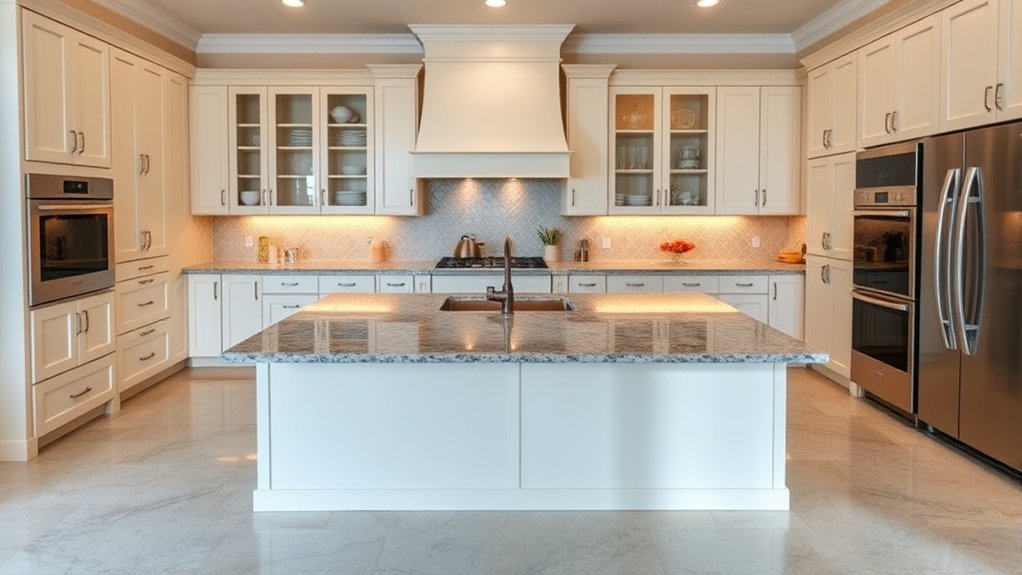
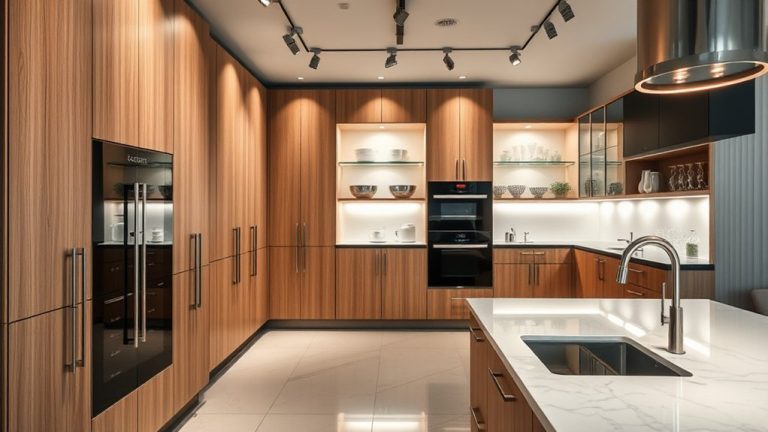
The size of your kitchen directly impacts the overall cost of refinishing your cabinets, since larger spaces need more materials, labor, and time. A bigger kitchen means more cabinet surfaces to sand, prime, and paint, which increases your project costs.
Your kitchen layout and where appliances are placed also play important roles. For example, open layouts might lower labor costs but require covering more surface area.
Complex layouts with built-in features or irregular cabinet shapes take more time and make the project more complicated. Strategic appliance placement can affect access and efficiency during refinishing, possibly requiring extra protective steps.
The more cabinets you have, the higher the cost, especially if your kitchen has multiple corners or unusual shapes. Proper planning helps you estimate the effort needed and keeps expenses in check.
Keep in mind that larger kitchens often need more prep work to protect appliances and fixtures, adding to the overall refinishing costs.
What Finishes Are Available and How Do They Affect the Price?
Choosing the right finish for your cabinets can significantly affect your overall costs, as each option varies in price and appearance. Finish options include paint, stain, glaze, and clear coats, each giving a different look and level of durability.
Paint is usually the most affordable choice, offering a smooth, modern finish, but it might require more prep work. Stains highlight the natural wood grain and tend to cost a bit more. Glazes add depth and texture, often increasing the price because of extra application steps.
Paint is the most affordable option, providing a sleek, modern look with additional prep work.
Clear coats like polyurethane or varnish protect the wood without changing its look and are generally moderate in cost. The price you pay depends on the finish you choose; more complex or specialized options tend to raise the overall expense.
Your choice affects both the appearance and your budget, so it’s worth considering your aesthetic preferences along with the cost factors before making a decision.
Are There Hidden or Extra Costs in Cabinet Refinishing?
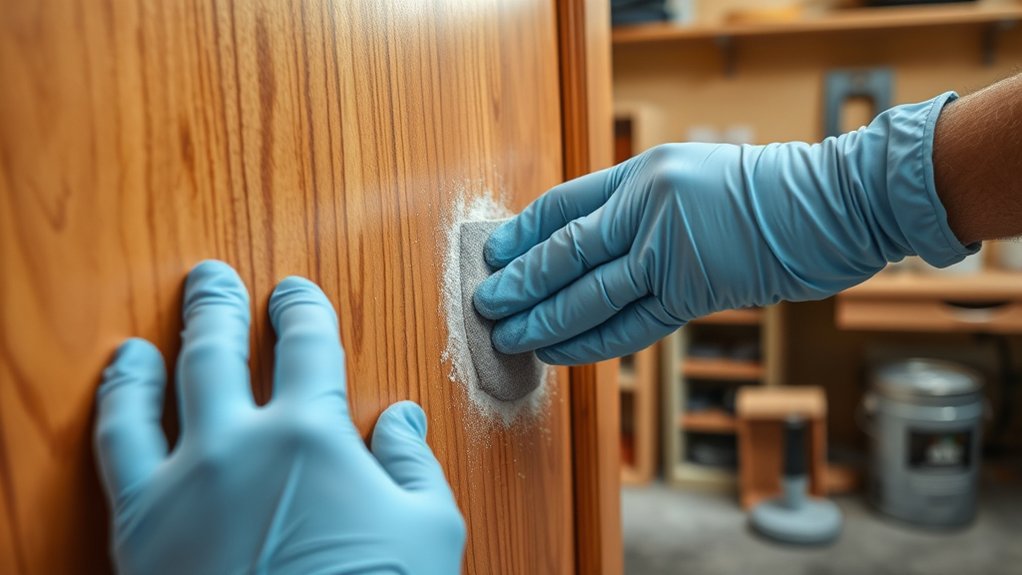
You might come across some surprise charges for materials or extra repairs that weren’t part of the original estimate. Sometimes, issues pop up during the refinishing process that can increase the overall cost. It’s a good idea to ask your contractor about any hidden or additional costs upfront so you’re not caught off guard later on. Being prepared can save you from unexpected expenses and help keep the project running smoothly.
Unexpected Material Charges
Unexpected material charges can catch homeowners off guard during cabinet refinishing projects. These costs often come from unforeseen material needs or upgrades. For example:
You might need a more resilient finish if your cabinets see heavy use, which can increase material costs.
Choosing a color that offers greater versatility could require specialized paints or primers, adding to expenses.
Sometimes, the initial materials don’t meet quality standards, so you have to opt for higher-grade options for better durability and look.
Being aware of these hidden costs helps you plan better. While durable materials and versatile colors can improve your cabinets’ longevity and appearance, they can also raise your budget.
Always clarify material options and costs upfront to avoid surprises.
Additional Repair Expenses
Are there hidden or extra costs lurking in cabinet refinishing projects? The answer is yes, especially when it comes to additional repair expenses.
If your cabinets have damage or extensive wear, you might need more than just cabinet paint. Surface preparation could involve fixing damaged wood or replacing hardware. These repairs can add to your overall costs.
Sometimes, hidden problems like water damage or rot are uncovered only after stripping the old finish. This can lead to unexpected repairs and higher expenses.
Be prepared for these potential costs, as they can significantly increase your budget. Always discuss with your contractor whether surface preparation or repairs are included in the initial estimate.
Being aware of these possible hidden costs helps you avoid surprises and ensures your project stays on budget.
Should You Hire a Professional or Do It Yourself?
Deciding whether to hire a professional or tackle kitchen cabinet refinishing yourself depends on your skill level, budget, and the time you can commit.
If you’re comfortable with furniture restoration and have DIY experience, you might successfully handle the project on your own, saving money. But if you’re new to refinishing, a professional can guarantee a smooth, durable finish.
Consider these points:
- Skill Level: Do you have experience with furniture restoration or similar projects?
- Time Commitment: DIY projects take a lot of time; professionals can usually finish faster.
- Quality Expectations: Professionals often deliver a more polished look and reduce the risk of costly mistakes.
If you’re confident in your abilities and want a budget-friendly approach, DIY can be rewarding. But for a flawless, long-lasting finish, hiring a professional might be worth the extra cost.
Weigh these factors carefully to decide what’s best for your kitchen cabinet refinishing project.
How Can You Budget for Unexpected Refinishing Expenses?
Budgeting for refinishing your kitchen cabinets isn’t just about estimating the initial costs. It’s also about setting aside money for surprises that might come up along the way. Unexpected issues like hidden damage or the need to restore furniture can add to your expenses.
Proper planning helps you avoid financial stress and keeps your project on track. Here’s a simple guide to prepare for those unforeseen costs:
| Unexpected Expense | Estimated Cost | Priority Level |
|---|---|---|
| Hidden water damage | $200 – $500 | High |
| Old paint removal | $100 – $300 | Medium |
| Hardware replacement | $50 – $150 | Low |
| Surface repairs | $100 – $400 | High |
| Furniture restoration | $150 – $600 | Medium |
It’s smart to set aside at least 15-20% of your total budget for surprises. Doing so helps ensure your refinishing project stays smooth and stress-free.
How Much Can You Save by Refinishing Instead of Replacing Cabinets?
Refinishing your cabinets can save you a lot compared to replacing them entirely. You avoid the high costs of new cabinets, installation, and possible kitchen remodeling. Instead, you focus on updating what you already have, which is often more budget-friendly.
Here are three ways refinishing helps you save money:
- Lower Material Costs: You only pay for paint, stain, or a fresh coat to change the color, not for new doors and frames.
- Reduced Labor Expenses: Refinishing takes less time and effort, so you’ll have fewer labor charges.
- Hardware Upgrade Flexibility: Swapping out old handles and knobs for modern hardware is easy and inexpensive, giving your kitchen a fresh look without replacing entire cabinets.
Tips to Get the Best Value When Refinishing Your Kitchen Cabinets
To get the best value when refinishing your kitchen cabinets, focus on preparing properly before starting the project. First, choose a cabinet color that complements your overall kitchen style and boosts your home’s appeal. Classic shades like white, gray, or navy work well for a timeless look, or go for bold hues if you want a modern update.
Proper preparation and choosing the right color enhance your cabinet refinishing for a stunning, lasting update.
Next, consider hardware options carefully. Replacing outdated knobs and pulls can dramatically change the look of your cabinets without costing too much. Pick hardware that matches your cabinet color and overall design theme for a cohesive look.
Also, make sure to clean and sand your cabinets thoroughly before refinishing. This step ensures a smooth surface and helps the new finish last longer, giving your cabinets a more professional appearance.
Finally, compare quotes from experienced contractors to find quality work at a fair price. By paying attention to these details, you’ll maximize your investment and achieve a stunning, cost-effective kitchen refresh.
Frequently Asked Questions
How Long Does Kitchen Cabinet Refinishing Typically Take?
You can expect kitchen cabinet refinishing to take about 3 to 5 days, depending on your cabinet color choice and the finishing techniques used. If you go for a complex finish or multiple color layers, it might take a little longer.
During this process, the team will carefully strip, sand, and apply primer and paint, making sure everything looks smooth and lasts a long time. Proper drying time between coats is key to getting that professional look.
What Are the Environmental Impacts of Different Refinishing Methods?
You consider eco-friendly finishes and VOC emissions, yet ignore their environmental impacts. Eco-friendly finishes reduce harmful chemicals, lowering VOC emissions and promoting healthier indoor air quality.
Conversely, traditional methods release higher VOCs, contributing to pollution and health issues. By choosing environmentally conscious refinishing options, you minimize your carbon footprint, protect ecosystems, and create a safer home environment.
Your choices can truly make a significant difference for the planet and your family’s well-being.
Can Refinishing Increase My Kitchen’s Resale Value?
Refinishing your cabinets can definitely boost your kitchen’s resale value by updating its look and increasing appeal.
Choosing a fresh cabinet color and applying modern refinishing techniques can make your space feel more contemporary and inviting.
When you invest in high-quality finishes, it shows buyers that the home has been well-maintained.
What Preparation Is Needed Before Cabinet Refinishing?
Before you start cabinet refinishing, you need to prepare properly. Remove cabinet doors and hardware, then clean surfaces thoroughly.
Sand the surfaces with fine-grit sandpaper to create a smooth base for the cabinet paint. This helps the paint stick better and gives you a more professional look.
Taking these steps ensures your cabinets look fresh and last longer, making your kitchen makeover smooth and successful.
How Durable Are Refinished Cabinets Compared to New Ones?
Refinished cabinets can be quite durable if you pay attention to details like cabinet hardware and paint adhesion. While they might not last as long as brand-new ones, proper prep and quality materials can extend their lifespan considerably.
You might worry about scratches or chips, but with careful use and maintenance, refinished cabinets stay attractive and functional. They’re a smart, cost-effective alternative to replacing your entire kitchen.
Conclusion
Now that you know the factors influencing kitchen cabinet refinishing costs, you might be wondering if it’s truly worth it. Will the savings outweigh the effort? Can you achieve the look you want without breaking the bank?
The answers depend on your choices and how you prepare. As you explore your options, remember that what you decide today could transform your kitchen in ways you never expected.
Are you ready to take the next step toward your dream space with affordable cabinet refinishing?