10 Key Factors Influencing How Much It Costs to Paint Kitchen Cabinet Doors
Are you dreaming of a fresh new look for your kitchen but feeling overwhelmed by the costs? You’re not alone—many people struggle with figuring out how much it will really take to paint their cabinet doors. The good news is, understanding the key factors can help you plan your budget better.
Your costs to paint kitchen cabinet doors depend on factors like cabinet material, size, and condition, which affect prep work and material needs. Choosing affordable paints and finishes can keep expenses lower, but custom colors or specialty effects will raise costs.
Doing the job yourself can save money, yet hiring pros often delivers a better finish faster. Location, project scope, and timeframes also influence costs.
Keep investigating to find out how to manage your budget and get the best results.
Key Takeaways
- Material type like solid wood, laminate, or MDF influences prep work and primer needs, which can change the overall costs.
- The size of your cabinets and the number of doors you have will directly affect both labor and material expenses.
- The condition of the surface, whether it’s damaged or has previous finishes, determines how much repair and prep work will be required.
- The type of paint finish you choose, such as matte, gloss, or specialty options, along with the quality level, impacts both material and application costs.
- Opting for custom colors or specialty finishes can increase your project expenses because of extra materials and additional labor.
How Much Does It Cost to Paint Kitchen Cabinet Doors?
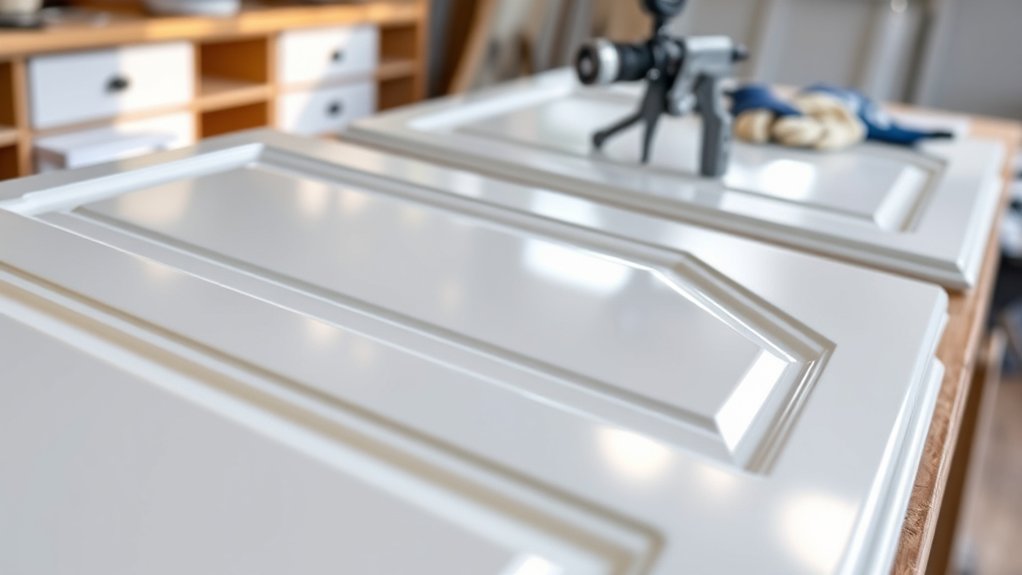
Painting kitchen cabinet doors can vary in cost depending on several factors, but on average, you can expect to spend between $300 and $800 for a professional job.
The cabinet material plays a big role in the overall cost. For example, solid wood cabinets usually need more prep work and primer, which can increase both labor and material costs.
Laminate or MDF surfaces might be cheaper to paint but may need special primers for better adhesion.
Paint durability is another important factor that influences the price. High-quality, long-lasting paints tend to cost more but can save you money over time by reducing touch-ups or recoating.
If you want a finish that can handle daily wear and tear, investing in durable paint is worth it.
What Are Typical Costs for Painting Your Kitchen Cabinets?
Typically, you can expect to pay anywhere from $300 to $800 for professionally painted kitchen cabinet doors. The cost depends on factors like cabinet size, material, and the complexity of your design trends.
If you prefer a sleek, modern look, expect to invest more in high-quality paint that offers better durability and a smooth finish. Paint durability plays a big role in the overall expense because longer-lasting paints reduce future touch-ups and repairs.
Basic paint jobs using standard finishes tend to be at the lower end of the price range, while custom colors or specialty finishes may push costs higher. Keep in mind that professional painters often include preparation, sanding, and multiple coats in their quotes, which influence the total cost.
To get the best results, prioritize paint durability and current design trends. This will help ensure your cabinets look fresh and stylish for years to come.
How Does Kitchen Size Impact Painting Costs?
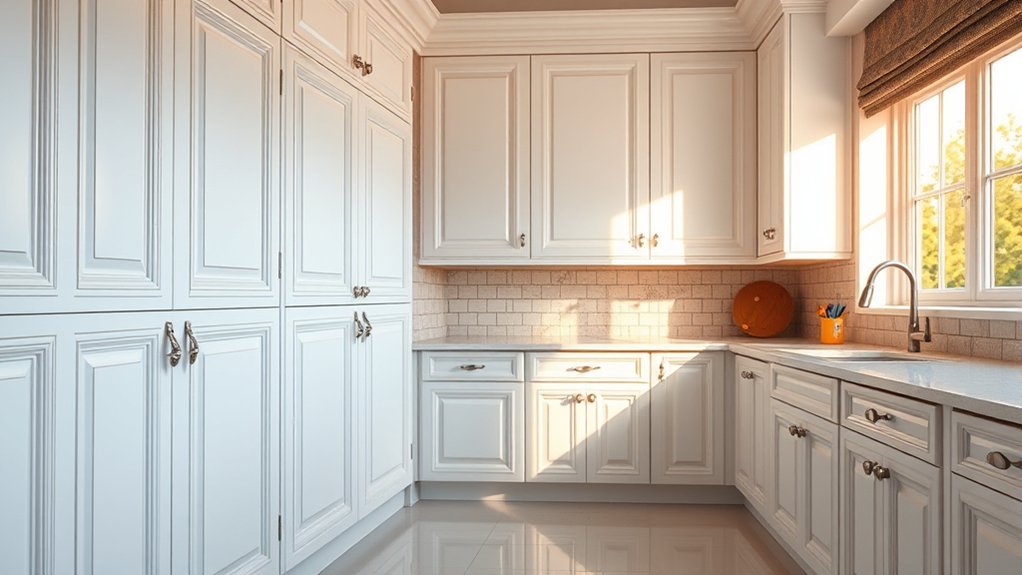
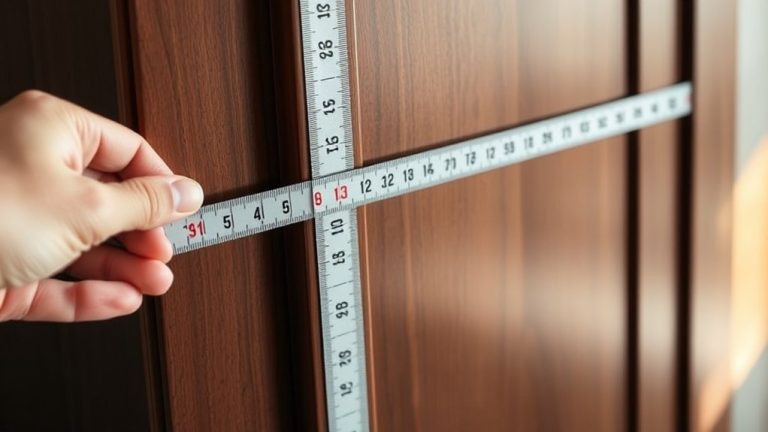
The size of your kitchen directly affects the overall cost of painting your cabinet doors. A larger space means more surface area to cover, which increases the time and labor needed, raising your total costs.
A larger kitchen increases painting costs due to more surface area to cover.
The kitchen layout also plays a role. An open-plan design might require more detailed work around appliances and fixtures, adding to expenses.
Furthermore, the cabinet material influences costs. Some materials, like solid wood, demand more preparation and specialized paints, which can be pricier.
Conversely, laminate or MDF cabinets might be quicker and easier to paint, reducing costs.
If your kitchen has many cabinets or intricate designs, expect to pay more due to increased labor and materials.
Ultimately, a bigger kitchen with complex layouts and durable cabinet materials will naturally demand a higher budget for painting, so plan accordingly to avoid surprises.
How Condition of Cabinets Affects Your Budget
If your cabinets have surface damage or an old finish, you’ll probably end up spending more on repairs or stripping before you even get to the painting stage. It’s a good idea to handle these issues early on so they don’t surprise you with extra costs later.
Also, if your cabinets are loose or have weak hinges, that can add to your expenses because those issues need fixing first. Taking care of these problems upfront can save you money and help ensure the job goes smoothly without any unexpected expenses popping up down the line.
Surface Damage Impact
When cabinets have surface damage like scratches, dents, or chipped paint, your painting costs can quickly add up. Surface scratches can affect how well the paint sticks, so extra prep work might be needed to get a smooth finish.
Dents or chipped areas often require filling or sanding, which increases both labor and material costs. The level of damage determines whether you need spot repairs or a full refinishing job.
Here’s a quick comparison to help you understand the impact:
| Damage Level | Extra Work Needed | Cost Impact |
|---|---|---|
| Minor scratches | Light sanding and touch-up | Moderate increase |
| Dents or chips | Filling, sanding, primer prep | Significant increase |
| Extensive damage | Full sanding or stripping, repairs | High cost and longer timeline |
| No damage | Basic prep and painting | Standard cost |
Addressing surface damage early can help avoid costly surprises down the line.
Existing Finish Removal
Surface damage isn’t the only thing affecting your painting costs; the condition of the existing finish matters too. If your cabinets have a thick or peeling finish, you’ll need to remove it completely before repainting.
The type of cabinet material influences this process. Wood might need stripping or sanding, while laminate or MDF surfaces could require special primers or chemical removers.
The condition of the existing finish also impacts how long the paint lasts. A smooth, well-adhered surface helps create a more durable finish, which means fewer coats or touch-ups later.
Proper surface preparation is key. It ensures better paint adhesion and makes your new paint last longer.
Keep in mind that costs will be higher if you need extensive removal or surface prep, especially with tough finishes or resilient materials.
Cabinet Stability Concerns
Ever wonder how the stability of your cabinets impacts your painting budget? If your cabinets aren’t sturdy, it can lead to higher costs. Wobbly or loose doors might need repairs or reinforcement before painting, which adds to labor and material expenses.
If the cabinet frames or hinges are compromised, your painter may need to spend extra time fixing these issues, increasing overall costs. Ensuring good cabinet stability helps maintain structural integrity, making the painting process smoother and more affordable.
Ignoring stability concerns could cause paint to chip or finish unevenly later on. This might mean additional touch-ups or repairs down the line. Addressing these issues early on saves you money and helps your cabinets look great and last longer.
Which Paint Types and Finishes Are Cost-Effective?
Choosing the right paint type and finish can really impact your kitchen cabinet painting costs. It’s important to find a good balance between durability and affordability.
Selecting the right paint and finish balances cost, durability, and style for your kitchen cabinets.
For cost-effectiveness, look at latex or water-based paints. They tend to be cheaper and easier to clean up than oil-based paints. Plus, they offer good durability, resisting chipping and fading over time.
When picking a finish, matte or eggshell are budget-friendly options that hide imperfections and usually need fewer coats, saving you money. If matching colors is important, choose paints that come in many shades to avoid costly custom mixes.
High-gloss finishes look great but are more expensive and tend to show imperfections more clearly. Balancing your style preferences with these tips can help you pick a paint and finish that fit your budget without sacrificing quality or longevity.
What Are the Costs of Preparing Cabinets for Painting?
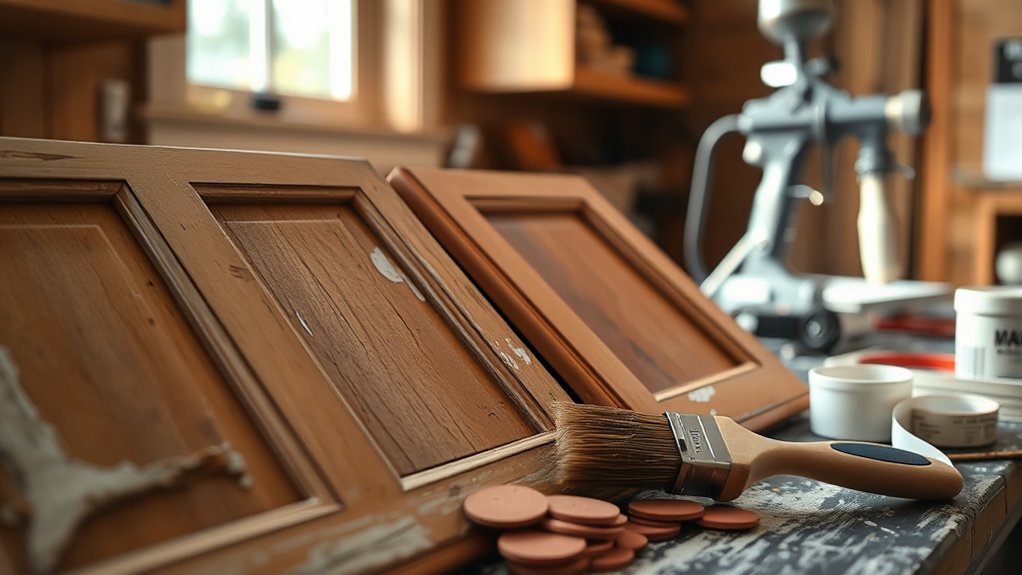
Before you start painting your cabinets, it’s important to give their surfaces a thorough cleaning. This helps the paint stick better and ensures a smoother finish.
Depending on how your cabinets look, you might also need to do some repairs or sand down rough spots. These prep steps can add to your overall costs, but they’re worth it for a professional-looking result.
All in all, preparing your cabinets properly might take some extra time and money, but it’s key to getting a beautiful, long-lasting paint job.
Surface Cleaning Requirements
Preparing your cabinets for painting requires thorough surface cleaning to guarantee the new paint adheres properly and lasts. Surface contamination, such as grease, dirt, or old paint residue, can prevent proper adhesion, leading to peeling or uneven finishes. To avoid this, you’ll need to use effective cleaning techniques, like a degreasing solution or mild detergent, to remove all residues.
Depending on how dirty the surface is, cleaning might be quick or require more intensive scrubbing. You may also need to remove handles or hardware to access all surfaces. While cleaning costs are generally modest, neglecting this step can lead to higher expenses later due to poor results.
Proper surface cleaning is a crucial, cost-effective step in ensuring a professional-looking, durable finish.
Repair and Sanding Needed
After thoroughly cleaning your cabinets, you might notice areas that need repair or sanding to create a smooth, even surface for painting. Damaged wood or chipped paint will need patching, which can add to your costs.
Sanding helps improve paint adhesion and ensures durability. This is especially important with different cabinet materials like laminate or solid wood. The amount of repair needed depends on your cabinet material and the existing finish.
| Repair Type | Cost Range | Notes |
|---|---|---|
| Filling cracks | $50–$150 | Essential for paint durability |
| Sanding surface | $100–$300 | Prepares different cabinet materials |
| Patch repairs | $75–$200 | Fixes chips and damaged areas |
| Replacing parts | Varies | For extensive damage |
| Final sanding | Included in prep | Ensures smooth, durable finish |
DIY vs. Hiring a Professional: Which Is More Affordable?
Deciding whether to tackle kitchen cabinet door painting yourself or hire a professional often hinges on your budget and skill level. Doing it yourself can save money, especially if you’re comfortable with decorative techniques and color matching, but it requires time and patience. Consider these factors:
- Skill level: If you’re experienced with painting and detail work, DIY can be cost-effective.
- Complexity of design: Decorative techniques like stenciling or glazing might need professional finesse.
- Time investment: Professionals work faster, saving you time but at a higher cost.
While DIY might seem cheaper initially, mistakes or uneven finishes could lead to extra expenses. Hiring a pro guarantees a high-quality, durable finish and expert color matching, which might justify the cost if you’re unsure. Ultimately, if your budget is tight and you’re confident in your skills, a DIY approach could be more affordable. However, for a flawless look, professional painting might be a smarter long-term investment.
What Additional Supplies and Equipment Will You Need?
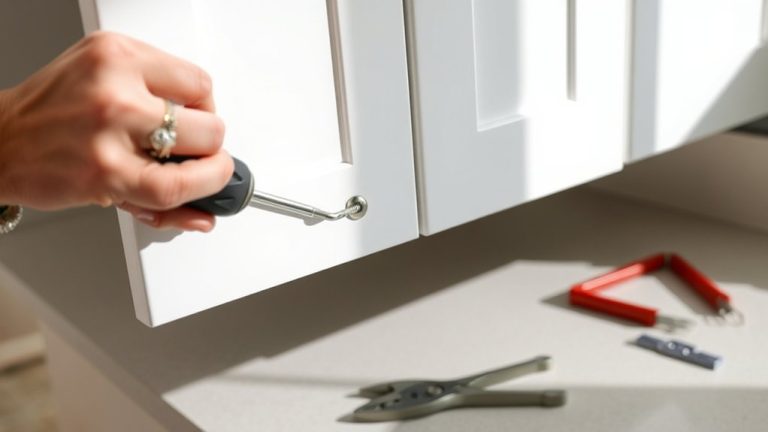
To get that professional-looking finish, you’ll want to have the right painting tools like brushes, rollers, and painter’s tape. These will make your job much easier and help you achieve a smooth, clean look.
Don’t forget to protect yourself too! Grab some gloves, masks, and goggles—safety first, right? And for prepping your surfaces, things like sandpaper and primer are essential.
Having all these supplies ready before you start will make the whole process smoother and ensure your project turns out looking fantastic.
Necessary Painting Tools
Having the right tools on hand is crucial for achieving a smooth, professional-looking finish when painting your kitchen cabinet doors. Proper tools help you master painting techniques and make color selection easier.
First, you’ll need high-quality brushes and rollers suited for cabinetry to guarantee an even coat. Second, a paint sprayer can speed up the process and provide a flawless finish if you’re experienced.
Third, painter’s tape and drop cloths are indispensable for protecting surfaces and creating clean lines. These tools not only improve the quality of your work but also help manage costs by reducing mistakes.
Investing in the right equipment makes it easier to navigate painting techniques and choose colors that truly elevate your kitchen’s look.
Protective Gear Essentials
While the right painting tools help you achieve a professional finish, protecting yourself during the process is just as important. Protective gear plays a key role in your safety, shielding you from paint fumes, splatters, and sharp edges.
Necessary items include gloves, safety goggles, and a respirator or mask to prevent inhaling harmful fumes. Wearing long sleeves and pants adds extra protection for your skin. Proper gear reduces health risks and keeps you comfortable.
| Protective Gear | Purpose | Additional Tips |
|---|---|---|
| Gloves | Protect hands from chemicals | Use nitrile gloves for durability |
| Safety goggles | Shield eyes from splatters | Ensure a snug fit |
| Respirator/mask | Prevent inhaling fumes | Use with proper ventilation |
| Long sleeves/pants | Cover skin from spills | Wear breathable fabrics |
Additional Surface Prep Supplies
Before you start painting your kitchen cabinets, gather some extra surface prep supplies to ensure a smooth, lasting finish. Proper prep helps the paint stick better and last longer.
Essential items include a surface primer, especially if you’re changing colors or covering stains. Sandpaper or a sanding block is also important to smooth out rough spots and improve adhesion.
Testing different paint sheens like matte, satin, or semi-gloss lets you pick the look you want before you commit. These supplies, along with the primer and the right sheen, will make your cabinets look professional and last for years.
Good prep saves you time and money down the road.
Do Custom Colors or Special Finishes Increase Your Budget?
Choosing custom colors or special finishes for your kitchen cabinet doors can significantly increase your project’s overall cost. Color customization often involves premium paints or specialized mixing, which can raise expenses compared to standard hues.
Custom colors and finishes can greatly raise your cabinet project costs due to premium materials and specialized techniques.
Finish options like high-gloss, matte, or textured surfaces also impact your budget. Some finishes require extra steps, such as multiple coats or unique application techniques, which add to labor costs.
If you go with custom colors, you’ll likely pay extra for color matching or blending, especially if the shade isn’t readily available. Similarly, specialty finishes like glazing, antiquing, or metallic effects need more skill and materials, which can drive prices up.
While these choices can really boost the look of your cabinets, they do come with higher costs. Be prepared for increased expenses if you want personalized colors or unique finishes that stand out from standard paint jobs.
How Do Location and Project Timeline Affect Costs?
Your project’s location and timeline can significantly impact the overall painting costs. Regional differences in the market affect both labor rates and material prices, making some areas more expensive than others.
For example, urban areas tend to have higher costs because of increased demand and living expenses. Seasonal timing also matters; painting during peak seasons like spring or summer can be pricier since contractors are busier and materials may cost more.
Choosing to schedule your project during off-peak times might help you save money. Keep in mind that longer project timelines could lead to extra labor charges or delays, which can also increase costs.
Understanding how your location and timing influence expenses can help you plan better. This way, you can stay within your budget while getting your kitchen cabinet project done right.
Frequently Asked Questions
How Do Different Cabinet Styles Influence Painting Costs?
Different cabinet styles influence painting costs because more intricate designs, like raised panels or ornate molding, take extra time and effort. You’ll spend more on labor and materials, especially if the cabinet material needs special primer or paint finish.
For example, flat-panel cabinets are quicker to paint, while detailed styles require careful prep and multiple coats. That all adds to the overall cost.
Your choice of cabinet style directly affects the price you’ll pay.
What Impact Does Cabinet Hardware Removal Have on Overall Expenses?
Think of your cabinets as a grand stage, where hardware removal acts like clearing the props before a performance. This process adds to the cost because it needs extra labor and care to avoid damage.
Removing hardware can also delay the project and increase expenses, especially if the old hardware is tough to detach. It might seem small, but it’s a worthwhile investment to ensure a smooth, flawless finish.
Do Eco-Friendly Paints Cost More Than Standard Options?
Eco-friendly paints usually cost more than standard options, but the difference isn’t huge. You might pay a little extra for eco-friendly paints, but they often last longer and are better for your health and the environment.
When doing a cost comparison, think about the benefits of eco-friendly paints, like fewer fumes and higher quality. Overall, the slight increase in price can be worth it for a healthier, more sustainable kitchen update.
How Does the Complexity of Cabinet Design Affect Labor Costs?
Think of your cabinets as a canvas. More intricate designs are like detailed murals that take extra time and skill.
When your cabinet material is tricky, like ornate wood or curved surfaces, the painter needs to navigate carefully. This increases labor costs.
High-quality paint may require more precise application, especially on complex designs, making the process even more meticulous.
Are There Seasonal Price Variations for Cabinet Painting Services?
Yes, there are seasonal price fluctuations for cabinet painting services. During off-peak seasons like winter, you might find discounts that lower costs.
Conversely, peak seasons such as spring and summer often see increased demand, which can drive prices up. If you’re flexible with timing, booking during slower months could save you money because contractors may offer discounts to attract clients during quieter times.
Conclusion
In the end, your kitchen’s transformation often depends on unseen factors—like choosing the right paint or sticking to a tight timeline—that can unexpectedly affect your budget.
By understanding these key elements, you’re better prepared to make smart choices and avoid surprises along the way. Sometimes, the smallest details, like selecting the perfect finish, can turn a simple project into a beautifully coordinated upgrade.
So, stay mindful, plan carefully, and let your kitchen’s new look surprise you. When you consider the cost factors for painting kitchen cabinet doors, you’ll be able to create a stunning space without breaking the bank.