How to Diagnose My Kitchen Sink Gurgling
Dealing with a gurgling kitchen sink can be pretty frustrating. You’re probably wondering what’s causing the noise and how to fix it. Many people struggle with this issue and wonder if it’s something serious.
Luckily, diagnosing the problem doesn’t have to be complicated.
To diagnose your kitchen sink gurgling, start by checking for visible clogs in the drain and inspecting the P-trap for debris or blockages.
Listen for gurgling sounds during water use, and inspect the vent pipe on your roof for leaves or nests.
If your drain is slow or odors emerge, it might be a vent or pipe issue.
Keep investigating, and you’ll uncover more ways to fix it effectively.
Key Takeaways
- Pay attention to when the gurgling happens to figure out if it’s related to draining, filling, or using appliances.
- Check the drain and trap area for visible clogs, debris, or buildup.
- Look at the vent pipe for blockages like leaves, nests, or other debris.
- Listen for other signs such as slow drainage, bad odors, or bubbling sounds.
- Inspect pipe connections and alignment for leaks, misfits, or trapped air.
How to Tell If Your Gurgling Sink Is Minor or Serious
Determining whether your gurgling sink is minor or serious is key to fixing the problem properly. First, think about your kitchen layout and how your appliances are set up.
Identifying if your sink gurgling is minor or serious helps you choose the right fix quickly.
A minor issue might be caused by a simple venting problem or a slight clog. This often causes occasional gurgling sounds that don’t get worse over time. These are usually easy to fix, especially if your appliances work well with your plumbing.
If the gurgling continues even after some tweaks, it could point to a bigger problem like a blocked main drain or vent system. Notice whether the sound happens when you run multiple appliances or just the sink. Serious issues often lead to slow drainage or backups, which might mean you need professional help.
Understanding how your kitchen design and appliances work together can help you figure out if the issue is minor or needs urgent attention.
Check for Clogs Causing Gurgling in Your Drain Line
First, take a look around your drain opening and see if you can spot any visible blockages or debris. If you find anything, just remove it—that might do the trick. If nothing’s obvious, you might want to try using a drain snake to reach further down and clear out any buildup that’s deeper in the pipe. Also, keep an eye on how slow the drain is—it could be a sign that there’s a clog further down the line causing the gurgling noise.
Identify Visible Blockages
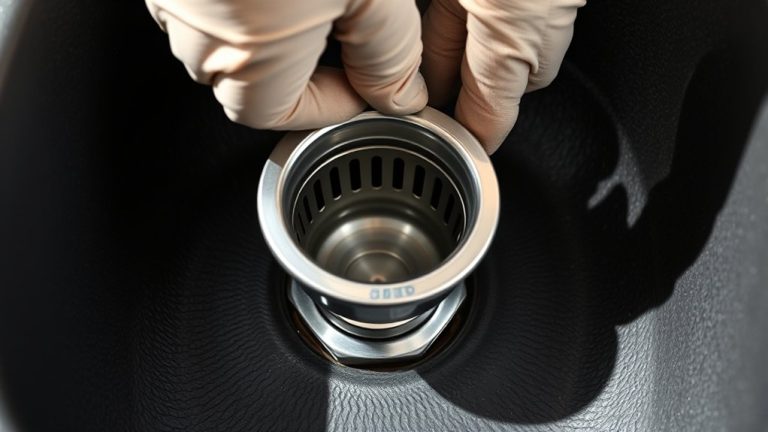
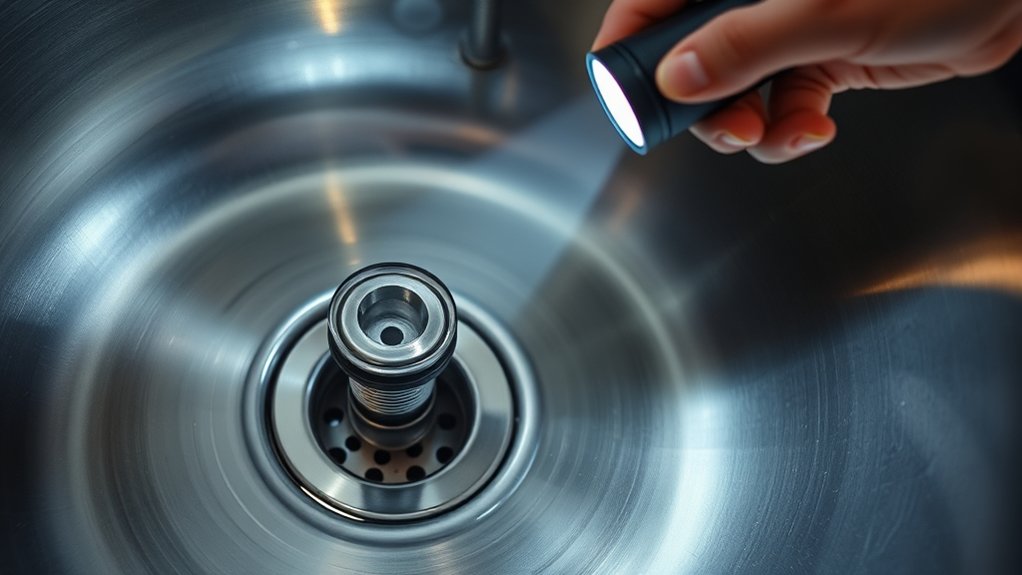
When your sink gurgles, start by checking for visible blockages that might be causing the problem. Look for easy-to-spot clogs in your drain and remove them if you find any. These blockages can lead to odors or water backups, affecting your kitchen’s look and smell.
Next, examine the drain area for common obstructions like food scraps stuck in the opening or hair and grease buildup near the rim. Also, check inside the trap or pipe opening for debris or foreign objects. Soap scum can sometimes block the drain as well.
Carefully clear any obstructions you find to help improve drainage and reduce gurgling sounds. Regularly inspecting your sink not only keeps it functioning properly but also helps your kitchen stay fresh and clean.
Use a Drain Snake
If visible blockages didn’t fix the gurgling, it’s time to look deeper into your drain line. A drain snake can help you reach clogs that you can’t see.
Insert the snake into the drain and turn the handle clockwise, applying gentle pressure. As you work the snake through the pipe, you might feel resistance—this is a sign of a clog.
Keep twisting and pushing to break up or hook the debris. Once you’ve cleared the blockage, slowly pull out the snake, making sure to remove any trapped debris.
Cleaning your drain thoroughly can prevent future gurgling. Remember, a tidy kitchen isn’t just about looks; it’s also about keeping your plumbing in good shape.
Mastering simple maintenance like drain cleaning helps keep your sink running smoothly.
Check for Slow Drain
Have you noticed your sink draining more slowly than usual? Slow drainage can be a sign of a clog in your drain line, which can affect your kitchen decor and appliance performance.
To check, try these simple steps: Fill the sink with a few inches of water, then remove the stopper to see if it drains quickly or slowly.
Next, see if water backs up in other fixtures—this could mean a shared clog.
Use a plunger to see if you can loosen the blockage.
Also, check the drain trap under the sink for debris buildup or blockages.
If your sink still drains slowly, it’s time to investigate further. Addressing clogs early helps keep your kitchen looking good and your appliances working smoothly.
How to Inspect Your P-Trap and Vent Pipe for Blockages
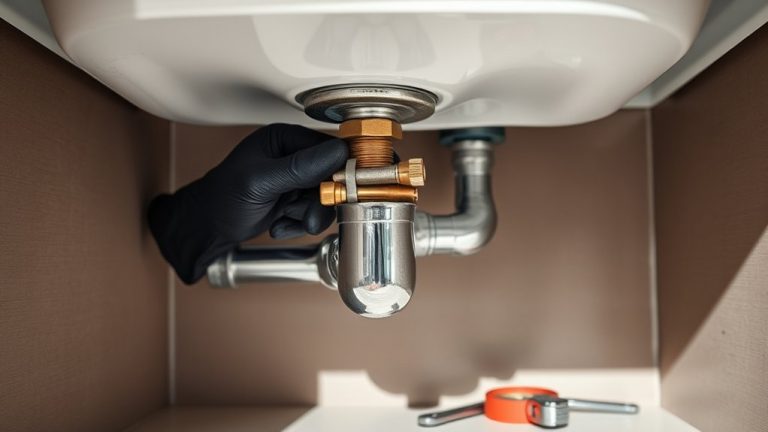
To effectively diagnose a gurgling sink, start by inspecting the P-trap and vent pipe for blockages. Begin with a thorough P-trap inspection: place a bucket underneath, loosen the fittings, and remove the trap to check for debris, hair, or buildup causing clogs. Clean out any obstructions and reassemble securely.
Next, move to vent pipe assessment. Locate the vent pipe, usually on your roof or an exterior wall. Look for visible blockages like leaves, debris, or nests. Use a flashlight to check for any obvious obstructions inside the pipe.
If you notice a blockage, clear it carefully with a long brush or snake. Proper P-trap inspection and vent pipe assessment help identify potential causes of gurgling, ensuring your plumbing vent system functions correctly.
Regularly maintaining these components prevents future drainage issues and keeps your sink draining smoothly.
Signs Your Vent Pipe Is Blocked and Needs Attention
A gurgling sink is often a clear sign that your vent pipe might be blocked. When the vent pipe is clogged, air can’t flow freely, which causes drainage issues and signs of blockage. Recognizing these signs helps you know when to take action.
A gurgling sink signals a possible vent pipe blockage, indicating drainage problems and the need for prompt attention.
Here are four signs to watch for:
- Persistent gurgling sounds when running water, showing trapped air trying to escape.
- Slow drainage in the sink or nearby fixtures, indicating restricted airflow.
- Foul odors coming from the drain, caused by sewer gases backing up because of vent blockages.
- Water backups in other drains when you use the sink, revealing an interconnected vent problem.
If you notice these signs, your vent pipe may be blocked. Addressing it quickly can prevent more plumbing issues. Properly working vent pipes keep drainage smooth and stop gurgling sounds.
DIY Methods to Clear Minor Sink Clogs
When minor sink clogs occur, you can often clear them yourself using simple DIY methods before calling a plumber. Start by removing any visible debris or standing water to help improve drainage.
Use a plunger, making sure you create a tight seal over the drain. Give it several firm pushes to dislodge the clog.
If that doesn’t work, try a mixture of baking soda and vinegar. Pour half a cup of baking soda down the drain, then follow with half a cup of vinegar. Cover the drain for 15 minutes, then flush with hot water.
Be mindful of your kitchen decor and avoid harsh chemicals that might damage finishes or appliances. Also, check that your cleaning methods are compatible with your sink’s material and appliances.
These simple steps can often clear minor clogs while keeping your appliances safe and your kitchen looking great.
When to Call a Plumber for Gurgling Sinks
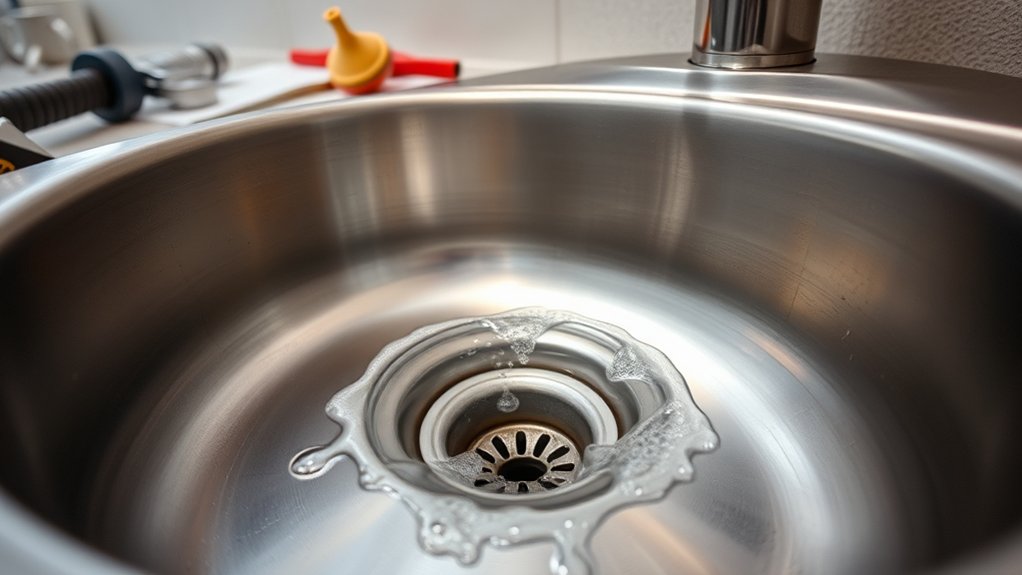
Gurgling sounds from your kitchen sink can mean a few different things that might need a professional’s help. If you’ve tried DIY fixes and the noise keeps going, it’s probably time to call in a plumber.
Look out for signs like loud or nonstop gurgling that disrupts your kitchen’s vibe or daily routine. If water drains really slowly, it could be a serious clog or venting issue.
Loud gurgling or slow draining signals potential clogs or vent problems needing professional attention.
Also, watch for foul odors or sewage backing up—that’s a sign of a bigger drain or sewer problem. If simple fixes or appliance maintenance don’t solve the issue, a plumber can help.
Ignoring these signs might lead to bigger problems like water damage or major plumbing repairs. A professional can diagnose tricky drainage issues, clear stubborn blockages, and check that your sink’s air vent is working right.
Getting help early keeps your kitchen clean and running smoothly. Plus, it protects your home’s plumbing system from more costly damage down the line.
How Water Drainage and Gurgling Are Connected
When water starts to drain slowly or if you hear loud gurgling sounds, it’s usually a sign there’s a blockage somewhere in your pipes. That blockage can be anything from a buildup of debris to a more serious clog, and it messes with the way water flows through your plumbing.
What happens then is that air gets trapped behind the obstruction, and when the water tries to pass through, it causes that characteristic gurgling noise. It’s kind of like the pipes are struggling to push the water through, and the trapped air is the culprit.
The good news is, when you clear out the blockage, everything goes back to normal. The water flows smoothly again, and those annoying gurgling sounds disappear. So, if you notice this happening, it’s a good idea to check your pipes and clear any obstructions to keep things running quietly and efficiently.
Connection Between Water Flow
Have you noticed that your sink makes strange noises or bubbles when you drain water? This often relates to how water flows through your pipes. When water pressure is too high or uneven, it disrupts the smooth drainage, causing gurgling sounds.
Pipe alignment also plays a vital role; misaligned pipes create resistance, trapping air and causing those unsettling bubbles. Here’s what to look for:
- Sudden changes in water pressure when draining
- Pipes that seem crooked or poorly connected
- Slow drainage combined with gurgling sounds
- Air trapped in the pipes due to improper alignment
Understanding these factors helps you identify if water flow issues cause your sink’s gurgling, guiding you toward the right fixes.
Impact of Blockages
Could blockages in your pipes be causing those strange gurgling sounds? When your drain is clogged, water struggles to flow smoothly, which can trap air and create gurgling noises.
These blockages often come from grease buildup, debris, or soap scum. They not only slow down drainage but can also cause water stains or bad odors in your kitchen.
Proper appliance maintenance can help prevent these issues. But if you ignore the signs, the blockages will get worse and disrupt your water flow.
Here’s a quick overview:
| Cause | Effect | Solution |
|---|---|---|
| Grease buildup | Sluggish drainage | Regular cleaning |
| Food debris | Air pockets and gurgling | Use drain traps |
| Soap scum | Clogs and odors | Hot water flush |
Ignoring these signs can lead to bigger plumbing problems down the road.
Other Unusual Symptoms to Watch for in Your Plumbing
Unusual symptoms in your plumbing can often signal underlying issues before they become serious. Keep an eye out for these signs:
- Foul Odors: Persistent bad smells near your sink could mean a clog or vent issue, which can affect your kitchen design’s airflow and how your appliances work.
- Slow Drainage: If water takes longer to go down, it might be a partial blockage or improper venting, impacting appliances like dishwashers.
- Gurgling Noises: Besides sink gurgling, you might hear bubbling sounds from other drains. This can point to venting problems or blockages in your plumbing system.
- Backflow or Overflow: Water backing up into your sink or overflowing can damage your kitchen design and indicates your plumbing needs urgent attention.
Recognizing these signs early helps prevent bigger problems and keeps your plumbing running smoothly.
Preventative Tips to Avoid Future Sink Gurgling
To keep your sinks from gurgling in the future, it’s a good idea to give your drains a regular clean. Also, try to avoid pouring grease or food scraps down the sink—that stuff can really cause clogs and air issues over time.
Another helpful tip is installing an air admittance valve. This little device helps keep the airflow in your pipes balanced, which can prevent those annoying gurgling sounds caused by air pressure problems.
And don’t forget, practicing good disposal habits overall can make a big difference. Being mindful about what goes down your drain helps keep your plumbing clear and reduces the chances of blockages and gurgles showing up again.
Regular Drain Cleaning
Regular drain cleaning is one of the best ways to prevent sink gurgling in the future. Keeping your drains clear helps water flow smoothly and reduces blockages that trap air, causing those annoying gurgling sounds.
Make drain maintenance part of your routine to support your kitchen decor and appliance upkeep. Here are some simple steps you can follow:
Use a drain snake or plunger weekly to clear out buildup.
Pour hot water or a baking soda and vinegar mixture down the drain once a month.
Avoid pouring grease or coffee grounds that can harden and clog your pipes.
Schedule professional drain cleaning every year for a thorough check-up.
Proper Disposal Habits
Proper disposal habits are essential for preventing sink gurgling, as leftover food, grease, and other debris can cause blockages that trap air and disrupt drainage.
To keep your pipes clear, avoid pouring grease or oil down the drain and scrape food scraps into the trash or compost.
Regularly check that your appliances, like garbage disposals, are working correctly, and perform routine maintenance to prevent buildup.
Maintaining a tidy kitchen decor isn’t just about looks; it also helps you stay mindful of what goes into your sink.
Proper disposal habits reduce the risk of clogs and gurgling sounds, saving you from costly repairs.
Staying proactive with appliance maintenance and mindful waste disposal keeps your plumbing system running smoothly and your kitchen looking its best.
Install Air Admittance Valve
Installing an air admittance valve (AAV) is a simple way to prevent future sink gurgling by making sure your plumbing is properly ventilated. An AAV lets air in when negative pressure happens, stopping vacuum buildup that causes those annoying gurgling sounds.
To get started, first find the main drain line and pick good spots for the AAV. Carefully cut into the drain pipe, making sure you don’t cause any leaks. Then, attach the valve securely, following the manufacturer’s instructions.
Once installed, test the system by running water. This will help you check that everything drains smoothly and stays quiet. Proper placement of the AAV keeps your sink from gurgling and helps your plumbing stay healthy.
Troubleshooting Steps: From Diagnosis to Fixes
To effectively troubleshoot a gurgling kitchen sink, start by paying attention to when and how the noise occurs. Notice if it happens during draining, filling, or when using other appliances. This can help identify if a venting or drain clog is causing the issue.
Next, try simple fixes first. Clear away any visible debris or grease buildup. Check your sink’s trap and pipes for blockages. If the noise still persists, consider the troubleshooting table below:
| Symptom | Possible Cause |
|---|---|
| Gurgling during draining | Clogged vent or drain line |
| Gurgling with appliance use | Backpressure from appliance maintenance |
| Noisy sink after cleaning | Loose or damaged P-trap |
Frequently Asked Questions
Can Gurgling in My Sink Indicate a Sewer Line Problem?
Yes, gurgling in your sink can mean there’s a sewer line problem. It’s often caused by drain clogs or air pressure issues.
When there’s a clog, air gets trapped and messes with proper drainage, which causes the gurgling sound. That trapped air then escapes through the drain, making the noise.
If you notice the gurgling keeps happening, it’s a good idea to check for clogs or possible sewer line issues. You might want to consider getting a professional inspection.
How Do I Identify if the Vent Pipe Is Completely Blocked?
You can identify a vent blockage by noticing slow drainage and gurgling sounds in your sink. These signs happen because air can’t escape through the vent pipe, causing drainage issues.
Try removing the vent cover and inspecting for debris or bird nests. Use a flashlight to look inside for obstructions that might be blocking the pipe.
You can also use a plumber’s snake or a water hose to clear out any blockages. If the problem keeps happening, it’s a good idea to call a professional to take a look.
What Tools Are Best for Inspecting Hidden Plumbing Issues?
Like a trusty detective’s magnifying glass, a borescope or inspection camera is perfect for pipe inspection and leak detection in hidden plumbing issues. These flexible tools let you see inside pipes without tearing down walls.
A leak detection ultrasonic device can also help locate leaks silently. Using these tools, you’ll uncover blockages or cracks, solving your gurgling sink mystery quickly and avoiding costly repairs later on.
How Long Should DIY Repairs Take Before Calling a Professional?
You should allow yourself a few hours for simple DIY repairs, but if you’re unfamiliar with plumbing or encounter complex issues, stop and call a professional.
Prioritize DIY safety by wearing gloves and goggles, and make sure your tools are well-maintained to prevent accidents.
Rushing repairs can cause damage or injury, so if progress stalls or uncertainties arise, it’s best to seek expert help to get the job done right and safely.
Are There Any Health Risks Associated With Plumbing Gurgling?
Plumbing noise like gurgling can indicate issues that might affect water pressure or introduce bacteria if there’s a sewer problem.
While minor gurgling isn’t usually risky, persistent noise suggests vent blockages or sewer line issues that could lead to health risks.
You should monitor water pressure and consider professional help if the noise continues, as unresolved problems may cause mold, odors, or sewage backup, impacting your health.
Conclusion
So, now you’re practically a sink whisperer, deciphering gurgles like a pro. Remember, a little DIY might save you from plumbing panic, but don’t ignore those ominous sounds. They’re not just nature’s way of saying “hello.”
Keep an eye on clogs, vent pipes, and drainage quirks because ignoring them turns your kitchen into a gurgling symphony. With a little know-how and some elbow grease, you’ll have your sink singing sweet, clog-free melodies in no time.