What Size Drain Pipe for Your Kitchen Sink?
Many homeowners find choosing the right drain pipe size for their kitchen sink more confusing than it needs to be. You’re not alone—navigating the options can feel overwhelming, especially when you just want things to work smoothly.
For most kitchen sinks, a 1-1/2 inch drain pipe works well, balancing flow and easy installation. Larger sinks or high water flow needs might require 2-inch pipes to prevent clogs.
Smaller sizes like 1-1/4 inch are suitable for compact sinks or specific code requirements.
Material choices like PVC or ABS are common and durable. To guarantee proper fit and stay compliant with local codes, consider your sink size and flow needs.
Keep exploring to learn how to choose the perfect pipe size for your setup.
Key Takeaways
Most kitchen sinks use 1-1/2 inch drain pipes for optimal flow and compatibility. Larger sinks or multiple basins might need 2-inch pipes to prevent clogs.
Always follow local building codes and manufacturer recommendations for pipe size. Measure your sink drain outlet accurately to ensure a proper fit.
If drainage is slow or you experience recurring clogs, upgrading to a larger pipe could be necessary.
What Are the Standard Kitchen Sink Drain Pipe Sizes?
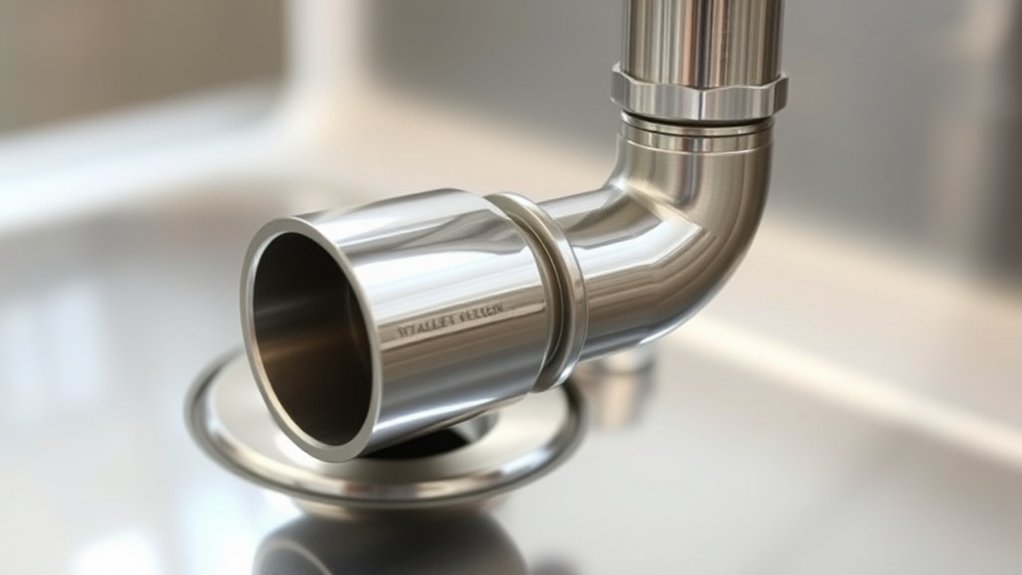
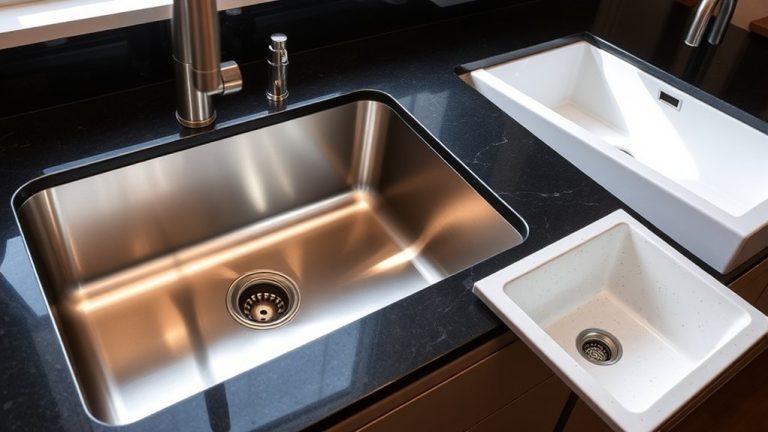
When it comes to standard kitchen sink drain pipe sizes, most setups follow common measurements to ensure compatibility and proper drainage. Typically, the drain pipe diameter is 1 1/2 inches, which strikes a good balance between flow capacity and ease of installation.
Standard kitchen sink drain pipes are usually 1 1/2 inches for optimal flow and easy installation.
Drain pipe materials vary, with PVC being the most common choice because it’s durable, affordable, and resistant to corrosion. Copper and ABS are also options, but PVC is usually the easiest to work with during installation.
Proper pipe installation involves securing fittings tightly and making sure the pipes are angled correctly for effective flow. Using the right materials and techniques helps prevent leaks and blockages.
Standard sizes are designed to fit most kitchen sinks without needing extensive modifications. Knowing these common measurements allows you to select compatible fittings and keep your drain system functioning smoothly.
This reduces future plumbing problems and helps maintain a clean, efficient kitchen.
Why Is 1-1/2 Inches the Most Common Drain Size?
The popularity of the 1-1/2 inch drain size comes from its ability to handle typical kitchen sink use efficiently. It strikes a good balance between capacity and easy pipe installation, making it suitable for most homes.
Drain materials like PVC and ABS are common because they’re durable, lightweight, and resist corrosion. This helps ensure the drain lasts a long time without issues.
When installing the pipe, 1-1/2 inches makes connecting to existing plumbing straightforward. It reduces the need for complicated fittings and makes the job easier.
This size manages everyday waste and water flow well without risking clogs or backups. Plus, building codes often prefer this size for residential kitchens, which adds to its practicality.
When Should You Use 1-1/4 Inches or 2 Inches?
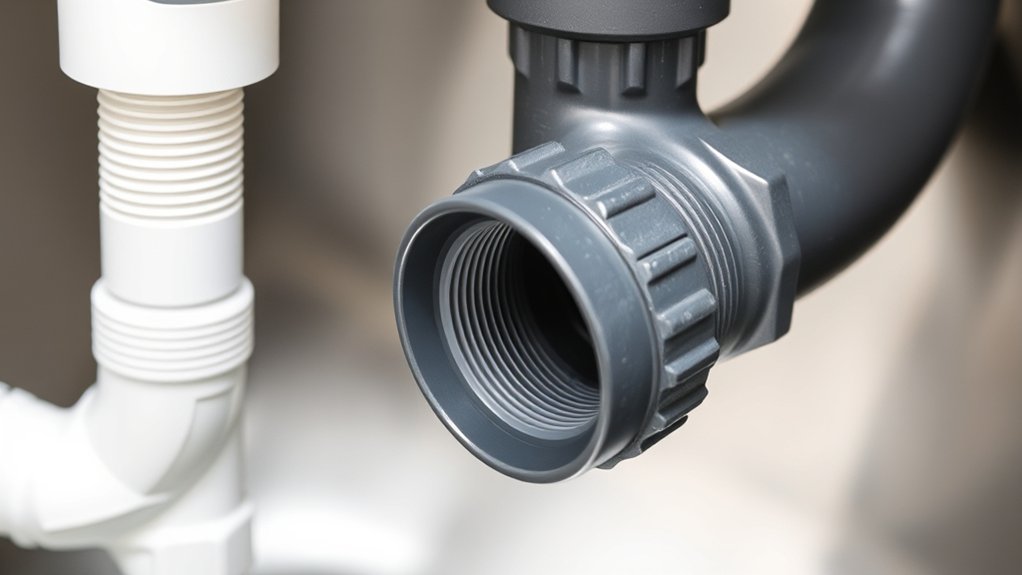
You might want to go with a 1-1/4 inch pipe if your sink isn’t that big or if the plumbing codes in your area recommend it for your setup. It’s a good fit for smaller sinks and helps keep things simple.
But if you’ve got a larger sink or expect higher flow rates, a 2-inch pipe is usually the better choice. It’s great for preventing clogs and making sure everything drains smoothly, plus it usually meets plumbing code requirements for bigger setups.
Knowing when to use each size helps you pick the right one for safe and efficient drainage without any hassle.
Sink Capacity Considerations
Determining the appropriate pipe size depends largely on your sink’s capacity and intended use. If your sink handles heavy daily loads or large pots, a 2-inch drainpipe ensures efficient water flow and reduces backups.
Smaller sinks or those used mainly for light tasks might only need a 1-1/4-inch pipe. Consider your kitchen aesthetics—larger pipes may be more visible and affect visual appeal.
Water conservation is also a factor; a properly sized pipe minimizes the chance of clogs and leaks, preventing water waste. If you frequently run multiple appliances or have a double sink, opting for a larger pipe can improve drainage and prolong your plumbing’s lifespan.
Ultimately, choosing the right size balances functionality, appearance, and eco-consciousness.
Plumbing Code Requirements
Understanding plumbing code requirements is key to making sure your kitchen sink’s drain pipe size meets local rules. These codes help you decide whether to go with a 1-1/4 inch or 2-inch drain pipe, depending on your sink’s capacity and water flow.
When planning your kitchen decor, sticking to these standards ensures safety and efficiency. It also supports water conservation efforts by preventing leaks and backups.
Keep in mind these important points: Larger pipes, like 2 inches, are needed for high-capacity sinks or dishwashers. Smaller pipes, such as 1-1/4 inches, work well for standard sinks with lower water flow.
Your local codes might specify certain pipe sizes to avoid clogs and backups. Always check your local plumbing regulations before installation to stay compliant and make sure you’re using the right water-saving measures.
How Do Material and Local Codes Affect Pipe Size Choices?
When choosing the right pipe size, it’s important to think about the material you’re using and what local building codes require. Different materials have specific needs—some might need larger or specially designed pipes to prevent leaks and keep the flow smooth.
On top of that, local codes often have rules about what sizes are acceptable to make sure everything is safe and up to standard. So, it’s a good idea to check both the manufacturer’s recommendations and your local regulations before making a decision. That way, you’ll pick a pipe size that’s both safe and effective for your kitchen sink.
Material Compatibility Requirements
Material compatibility requirements and local building codes can really influence your choice of pipe size for a kitchen sink drain. You want to think about how durable the material is to make sure the pipes last and resist corrosion or damage.
Installation flexibility is important too because some materials work better in tight spaces or complex layouts. The right materials should also meet safety standards and code regulations to avoid costly fines or needing modifications later.
Consider these factors: Use PVC or ABS for durability and easy installation. Metal pipes like copper or cast iron last a long time but may need special fittings. Check if your local codes specify approved materials or pipe sizes.
Make sure your material choice matches your home’s plumbing system and environment. Picking the right material helps your drain work well and stay compliant with all requirements.
Local Building Code Compliance
Local building codes are important because they specify the right materials and sizes for your kitchen sink drain. This helps ensure safety and proper function.
These codes make sure your plumbing can handle water flow efficiently without leaks or backups. They also set standards for pipe insulation to prevent freezing and condensation, which can damage pipes and affect water flow.
Following local codes means installing the correct pipe size for your sink, usually 1.5 or 2 inches, depending on your area. Not following these rules could lead to fines or plumbing problems later on.
Always check with your local authority to see what pipe sizes and materials are approved. This way, you can be confident your installation is both compliant and reliable.
How to Measure Your Kitchen Sink Drain Pipe Correctly
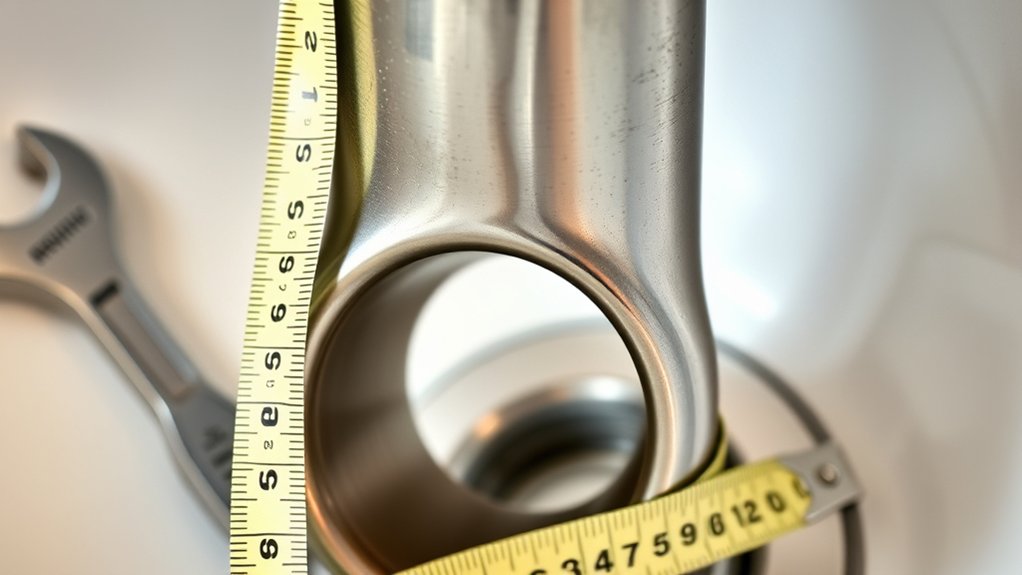
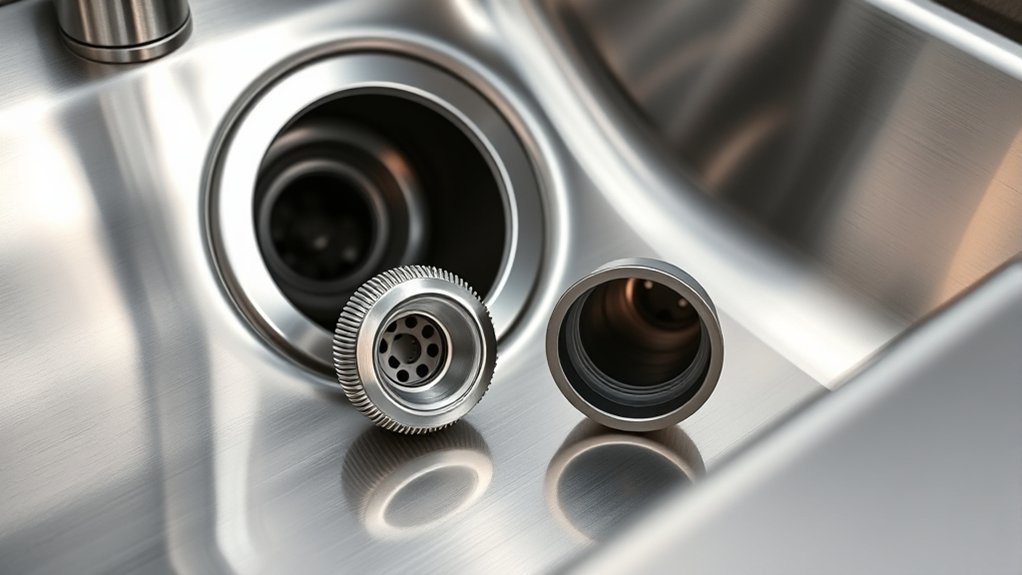
Measuring your kitchen sink drain pipe accurately is key to choosing the right size for a proper fit and good drainage. Start by identifying the drain pipe diameter, which is usually measured in inches. Remember, your sink design and faucet compatibility can influence the size you need.
Accurate drain pipe measurement ensures proper fit and reliable drainage for your kitchen sink.
Proper measurement helps your plumbing fit seamlessly and avoids leaks or clogs. Use a ruler or measuring tape to find the diameter of your current drain pipe. Remove any fittings that might block an accurate measurement.
Check your sink’s specifications for recommended pipe sizes. Also, consider the connection type and make sure it matches any new fixtures you plan to install. Taking precise measurements saves you time and money, making installation easier.
Accurate measurement is essential to selecting the right drain pipe for your kitchen setup. It ensures everything fits well and functions smoothly.
Signs You Need to Upgrade Your Drain Pipe Size
If your sink is draining really slowly or you’re constantly dealing with clogs, it might be time to think about upgrading your drain pipe. These problems usually happen when the pipe can’t keep up with the amount of water or flow you’re putting through it.
Upgrading to a larger pipe can make a big difference. It helps improve the drainage and can save you from dealing with those annoying blockages all the time. So, if you’re tired of the hassle, it might be worth considering an upgrade.
Slow Draining Issues
Have you noticed water taking longer than usual to drain from your kitchen sink? Slow draining can be a sign you need a bigger drain pipe or better pipe installation techniques. Over time, old or improperly installed drain pipe materials may restrict flow, causing backups.
If your sink drains slowly despite clearing minor clogs, it’s probably because the pipe size isn’t enough for your usage. Consider upgrading if:
- Water pools in the sink after use
- You hear gurgling sounds during draining
- The drain is slow even with minimal waste
- Bottling or standing water persists
Upgrading your drain pipe size can improve flow and prevent future problems. Proper pipe installation techniques ensure smooth drainage, especially if your current setup is outdated or too narrow.
Frequent Clogs Occur
Frequent clogs are a clear sign that your current drain pipe might be too narrow or poorly suited for your kitchen’s demands. If you notice constant blockages, it could be due to the garbage disposal or dishwasher connection creating extra strain.
A small pipe struggles to handle large food debris or water from these appliances, increasing the chances of buildup. Over time, this buildup leads to frequent backups and clogs.
Upgrading to a larger drain pipe can improve flow and reduce blockages, especially if you regularly use a garbage disposal or have a busy dishwasher. Ensuring your drain pipe size matches your kitchen’s needs prevents ongoing clogs and keeps your sink functioning smoothly.
Don’t ignore these signs—upgrading your drain pipe is a smart move.
How Do Pipe Size and Venting Affect Drainage?
The size of your drain pipes and proper venting are key factors that directly affect how well your kitchen sink drains. If the pipe diameter is too small, water and waste won’t flow smoothly, which can lead to clogs and slow drainage.
A well-designed vent system allows air to enter the plumbing, preventing vacuum formation that could stop or slow drainage. Proper venting also helps odors escape and keeps water flowing steadily.
Here’s how pipe size and venting influence drainage:
- Larger pipe diameters reduce the chance of clogs and help improve flow rate.
- Adequate venting prevents airlocks that slow or stop drainage.
- An improper vent system can cause gurgling sounds and slow draining.
- Correct pipe sizing ensures consistent drainage and reduces plumbing issues.
Can Using the Wrong Pipe Size Cause Plumbing Problems?
Using the wrong pipe size can cause serious plumbing problems that disrupt your kitchen’s drainage system. If the pipe is too small, it can lead to frequent clogs, so you’ll be constantly cleaning your drains. These clogs happen because the pipe can’t handle the volume of water and debris from your sink.
On the flip side, oversized pipes might cause slow drainage, which can trap debris and lead to buildup. Both issues increase the need for repairs and regular maintenance. Incorrect pipe sizing can also affect pipe insulation, making pipes more vulnerable to temperature changes and freezing.
That can result in cracks or leaks, making plumbing issues even worse. Picking the right pipe size ensures efficient drainage and helps prevent blockages, leaks, and damage. Investing in correct sizing keeps everything flowing smoothly, reduces repair costs, and keeps your kitchen plumbing working properly.
How to Choose the Right Drain Pipe Size for Your Sink
Choosing the right drain pipe size for your sink is key to making sure everything drains properly and avoiding future plumbing problems. Think about your sink’s size, how much water you expect to flow, and your local plumbing codes.
Usually, a 1.5-inch drain pipe is enough for most kitchen sinks. But if you have a bigger sink or multiple basins, you might need a 2-inch pipe instead. When picking materials, options like PVC, ABS, or cast iron each have their own installation methods, which can affect how compatible and durable they are.
Installing the pipe correctly is crucial for smooth drainage and to prevent leaks. Here are some tips to help you choose the right one:
- Match the pipe diameter to your sink’s drain outlet
- Use durable materials that suit your plumbing setup
- Follow the manufacturer’s instructions for installation
- Check local codes to stay compliant and safe
How to Safely Replace or Extend Your Kitchen Sink Drain Pipe
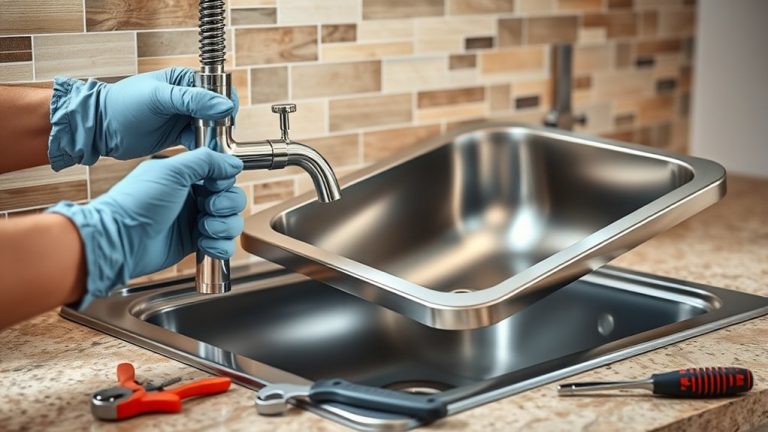
When replacing or extending your kitchen sink drain pipe, start by turning off the water supply and unplugging the garbage disposal if you have one.
Next, carefully disconnect the existing pipes, keeping in mind the importance of using environmentally friendly materials when possible. These are better for the environment and often more durable.
If you’re inspired by historical plumbing, consider vintage-inspired fittings that combine style with functionality. Measure the length needed for your extension accurately to avoid leaks or inadequate drainage.
Use appropriate tools to cut and join pipes securely, ensuring all connections are tight and sealed with plumber’s tape or silicone sealant. When choosing new pipes, prioritize those made from eco-friendly materials like PVC or PEX, which are safer and sustainable.
Always double-check your work before restoring water flow. Properly replacing or extending your drain pipe ensures efficient drainage and preserves the integrity of your plumbing system, respecting both modern standards and historical craftsmanship.
Frequently Asked Questions
Can I Install a Larger Drain Pipe for Better Drainage?
Yes, you can install a larger drain pipe for better drainage, but you should consider material compatibility and cost. Make sure the new pipe fits your existing plumbing system and is made from a compatible material like PVC or ABS.
Keep in mind that larger pipes might increase costs and make installation more complicated. It’s a good idea to consult a professional to confirm that upgrading won’t cause issues with your current setup. They can also help you evaluate the overall cost.
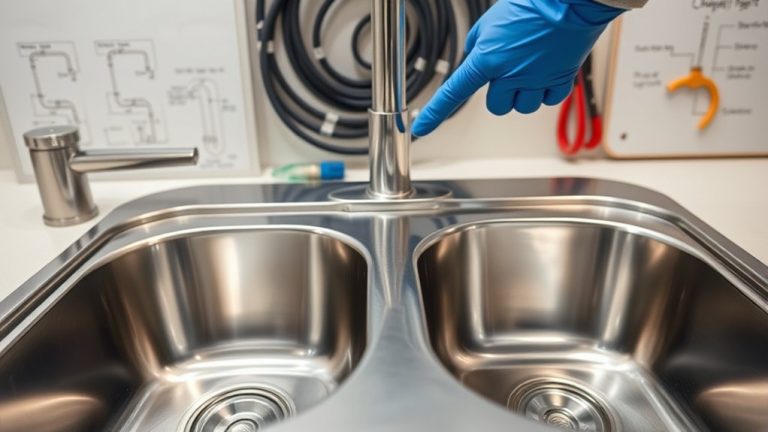
Are There Differences in Pipe Size for Double or Triple Sink Setups?
Think of your sink setup like a busy highway. More sinks mean more traffic, so pipe sizes need to match.
For double or triple sinks, you generally use 1.5-inch pipes for each branch, which then connect into a larger main pipe, often 2 or 3 inches.
Use durable pipe materials like PVC or ABS, and follow proper installation techniques to ensure smooth drainage and avoid backups.
Proper sizing keeps your kitchen flowing like a well-oiled machine.
How Does Pipe Slope Affect Drainage Efficiency?
A proper pipe slope directly impacts drainage efficiency. If your pipe isn’t sloped enough, water and debris can slow down or cause clogs, reducing efficiency.
Ideally, your drain pipe should have a slope of about 1/4 inch per foot. This allows gravity to help waste flow smoothly.
Too steep a slope can cause water to rush too quickly, leaving solids behind.
Maintaining the correct pipe slope guarantees efficient drainage and prevents backups.
What Are the Consequences of Using Undersized Drain Pipes?
Using undersized drain pipes is like trying to fit a square peg in a round hole. You’ll face constant clogs and slow drainage.
When pipe material and installation techniques aren’t up to par, the risk of leaks and backups increases significantly. Over time, this can lead to water damage and costly repairs.
Always choose the right size and quality pipe material. Proper installation techniques are key to keeping your kitchen sink flowing smoothly.
Do Different Sink Types Require Specific Drain Pipe Sizes?
Different sink types often need specific drain pipe sizes to work properly. For example, a garbage disposal usually requires a 1.25 to 1.5-inch pipe to handle waste efficiently.
The type of pipe material, like PVC or ABS, also affects size choices. Some materials support larger diameters better than others.
Make sure to match your sink type and disposal unit with the correct pipe size and material. This helps prevent clogs and leaks, ensuring everything runs smoothly.
Conclusion
Choosing the right drain pipe size ensures your kitchen sink drains smoothly and helps you avoid costly problems. With options like 1-1/4, 1-1/2, or 2 inches, knowing what fits your setup and local codes is important.
Understanding your needs is key to preventing backups and leaks. Proper measurement and installation keep your plumbing flowing effortlessly. Imagine a steady stream, unhindered and clean, all because you chose the right pipe size.
Don’t let an incorrect size turn your kitchen into a flood zone. Getting it right today can save you time and money. When it comes to drain pipes, selecting the correct size for your kitchen sink is essential for smooth drainage and peace of mind.