Understanding the Air Gap for Your Kitchen Sink
Many homeowners worry about keeping their kitchen plumbing safe and running smoothly. You’re not alone—issues like backflow or contaminated water can be stressful and confusing to solve.
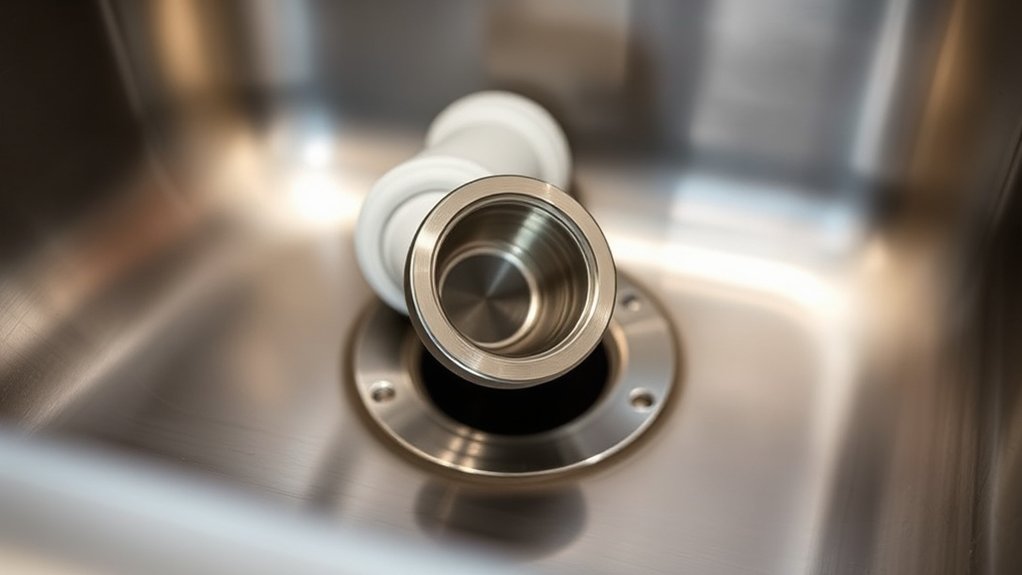
An air gap is a small device installed between your sink drain and appliances like the dishwasher, creating a physical barrier that prevents contaminated water from flowing back into your clean water supply.
It’s essential for maintaining water safety, stopping backflow, and avoiding health risks.
There are different types, and proper installation is key to its effectiveness.
If you want to understand how to keep your plumbing safe and functioning well, keep exploring further.
Key Takeaways
- An air gap stops contaminated water from flowing back into your clean water supply by creating a physical barrier.
- It can be installed above or below the sink, with options for top mount and under sink setups.
- Make sure it’s installed securely, elevated above flood level, and made from durable, corrosion-resistant materials.
- Signs of trouble include slow drainage, bad odors, debris buildup, or water pooling. Regular cleaning can help prevent these issues.
- Keeping up with maintenance and upgrades is important for water safety, compliance, and avoiding plumbing problems.
What Is an Air Gap and Why Is It Essential for Your Kitchen Sink?
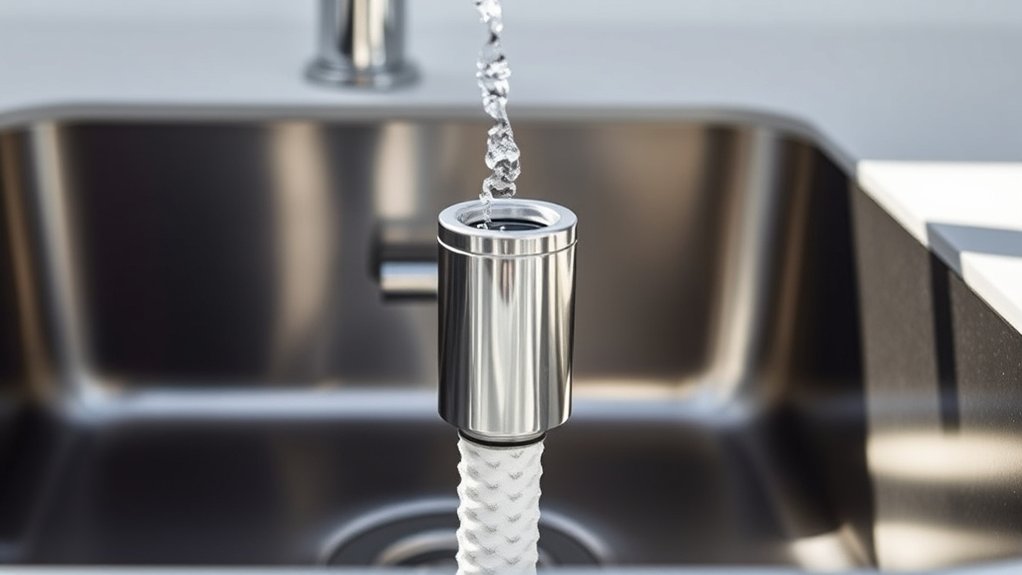
Ever wondered what an air gap is and why it’s so essential for your kitchen sink? An air gap is a small device installed between your sink’s drain and the dishwasher or faucet, creating a gap that stops contaminated water from flowing back into your clean water supply.
It’s a simple but crucial part of keeping your water safe. Besides safety, an air gap can also make your kitchen look better by hiding hoses and connections, giving your sink area a cleaner, more organized appearance.
Plus, it helps conserve water by ensuring proper drainage and preventing leaks or wastage caused by backflow issues. Installing an air gap is a smart move that benefits your home’s plumbing and the environment.
It’s a small fixture with a big impact, helping keep your water safe while making your kitchen neater and more efficient.
How Does an Air Gap Prevent Backflow and Keep Your Water Safe?
An air gap acts like a barrier that stops dirty or contaminated water from flowing back into your clean water supply. Basically, it creates a physical space—so there’s no direct connection—that keeps the two separate.
This way, if there’s ever a pressure change or a backup, the dirty water can’t sneak into your drinking water. It’s a simple but effective way to keep your water safe and protect you from potential health risks caused by pollutants.
Prevents Contaminant Backflow
Because of their design, air gaps effectively prevent contaminated water from flowing back into your clean water supply.
When you use an air gap, there’s a physical space between the sink drain and the water source, stopping any reverse flow of waste or pollutants. This keeps your drinking water safe and free from harmful contaminants.
An added benefit is that air gaps don’t interfere with your kitchen aesthetics—they’re discreet and easy to maintain.
Plus, by preventing backflow, you help conserve water by avoiding leaks or potential damage caused by contamination.
Installing an air gap is a simple, reliable way to protect your plumbing system while maintaining a clean, safe kitchen environment.
It’s a small investment that offers lasting peace of mind.
Maintains Water Safety
A well-designed air gap is essential for keeping your water safe. It prevents contaminated water from flowing back into your clean water supply.
By creating a physical space between your sink drain and faucet, it stops backflow that could bring in harmful bacteria or chemicals. This simple device helps ensure your water stays safe to use.
Having an air gap also makes your kitchen look better by reducing the need for bulky plumbing or unattractive backflow preventers. Regular maintenance keeps it working properly, so your water remains safe.
With an effective air gap, you protect your household from potential contamination. It’s a small but important step to give you peace of mind every time you use your sink.
Different Types of Air Gaps Used in Kitchen Plumbing
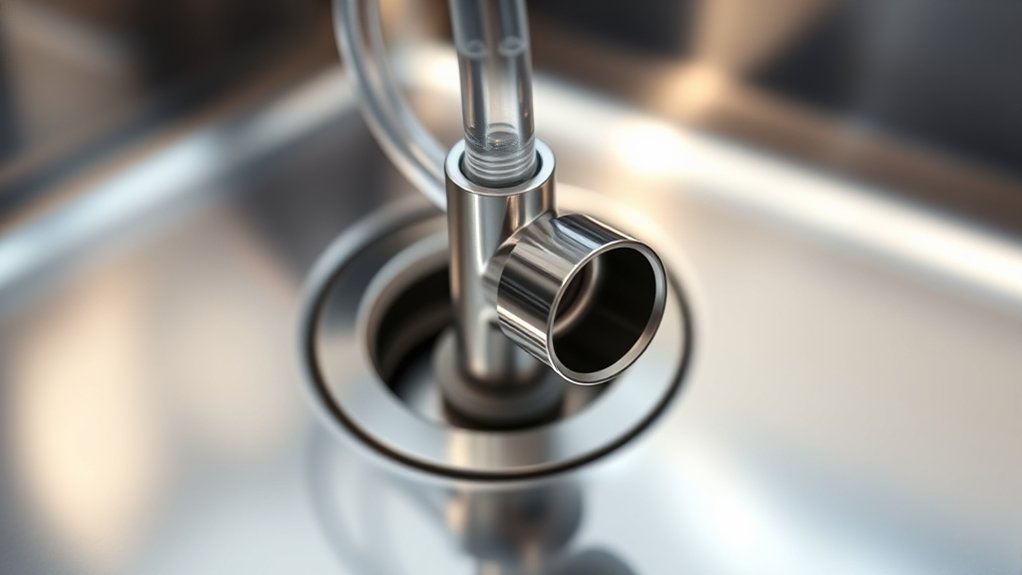
When it comes to choosing an air gap for your kitchen sink, you’ve got two main options: top mount and under sink models. Both of these types have their own ways of being installed and come with their own perks, so it really depends on what works best for your setup.
Getting to know these options can make it a lot easier to pick the right one for your plumbing needs.
Top Mount Air Gaps
Top mount air gaps are a popular choice for kitchen plumbing because they’re simple to install and easy to maintain. They sit right on top of the sink or countertop, making cleaning and adjustments straightforward.
These air gaps are versatile and work well with many sink materials, like stainless steel or ceramic, without clashing with your kitchen decor. They fit nicely with various sink styles, giving a seamless look while preventing backflow and contamination.
Because they’re visible, picking a design that matches your sink’s finish and overall style can boost your kitchen’s visual appeal. Top mount air gaps are practical, durable, and simple to use, making them a favorite for homeowners who want reliable plumbing that looks good.
Under Sink Air Gaps
Under sink air gaps are hidden components that help keep your drainage working properly and prevent backflow in your kitchen plumbing.
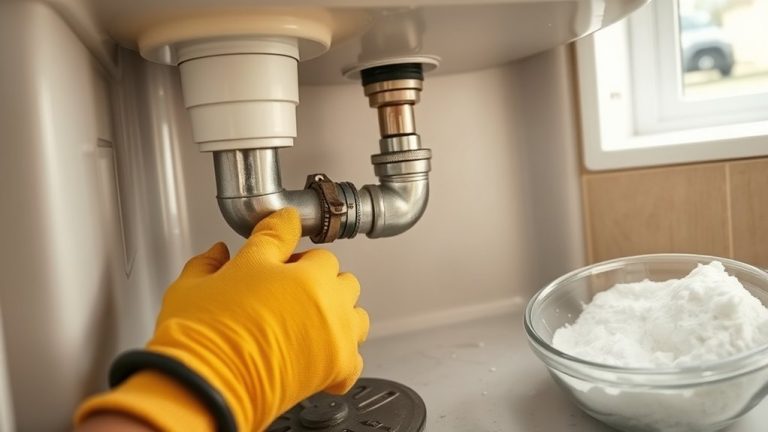
These air gaps are usually installed beneath the sink, connecting your dishwasher or garbage disposal to the drain line. They come in different types, like standpipe air gaps and integrated models, to suit various appliances.
While they’re often hidden, it’s important to keep them accessible for maintenance and inspection. Choosing an air gap that matches your kitchen decor helps it blend in seamlessly without sacrificing style.
Proper installation is key to preventing contamination and ensuring your plumbing works smoothly. Remember, picking the right type depends on your appliances and space, so understanding your options is vital for a safe, efficient kitchen setup.
How Can You Tell if Your Sink Has a Proper Air Gap Installed?
Determining whether your sink has a proper air gap installed is simple if you know what to look for. First, find the device connected to your dishwasher drain hose. It’s usually a small fitting or nozzle on your sink or countertop. Check if it’s raised above the sink’s flood level to prevent backflow.
Here’s a quick guide:
| Feature | What to Look For | Importance |
|---|---|---|
| Placement | Elevated above sink surface | Prevents water siphoning |
| Material | Durable, corrosion-resistant | Matches your kitchen decor |
| Connection | Secure and tight | Ensures proper function |
If your air gap is missing or improperly installed, water might bypass the device, risking contamination. The right setup complements your sink’s materials and kitchen decor, making sure everything works well and looks good.
How to Install or Replace an Air Gap: A Step-by-Step Guide
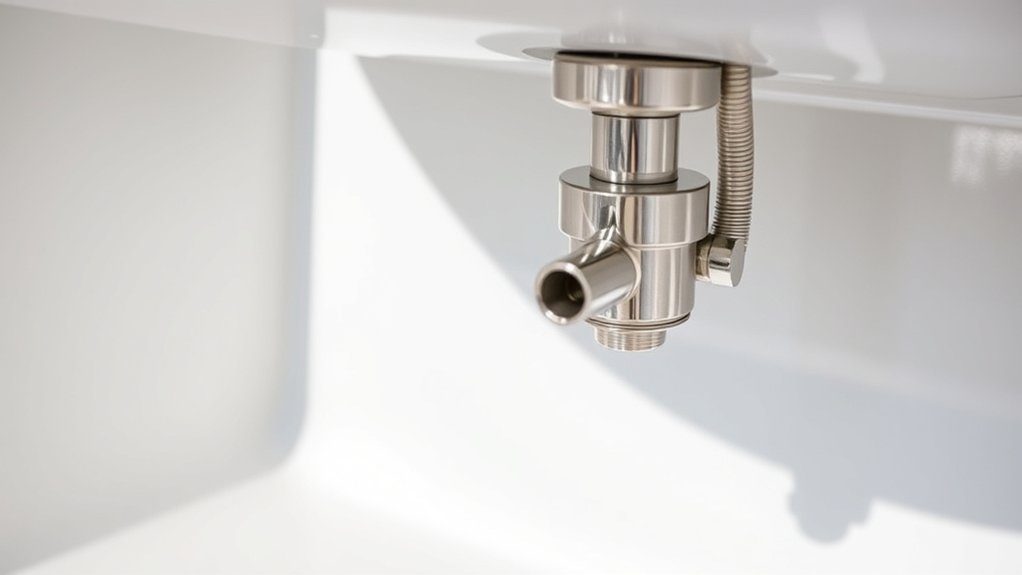
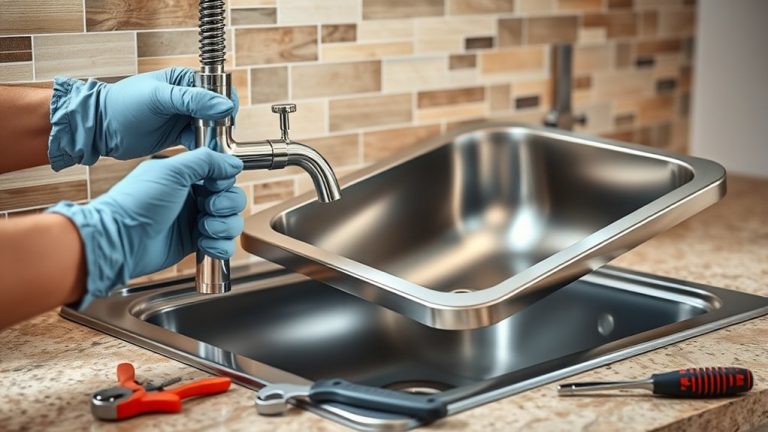
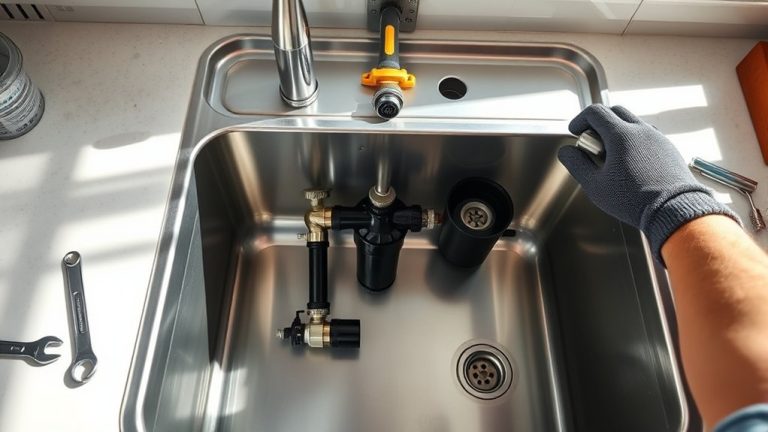
Installing or replacing an air gap is a simple process that you can do yourself with a few basic tools. Before you start, gather a wrench, screwdriver, plumber’s tape, and a bucket.
Installing or replacing an air gap is easy with basic tools—just gather wrench, screwdriver, tape, and a bucket.
The air gap not only protects your plumbing but also adds a sleek touch to your kitchen decor, complementing sink accessories.
To begin, turn off the water supply and disconnect the dishwasher hose. Remove the old air gap if you’re replacing it.
Next, attach the new air gap to the sink or countertop, making sure it’s secure. Connect the dishwasher hose to the air gap’s inlet and secure it with a clamp.
Reconnect the drain hose to the outlet of the air gap. Turn the water back on and run the dishwasher to check for leaks.
Keep in mind, choosing an air gap that matches your sink accessories can improve your kitchen’s style while ensuring proper drainage.
Signs That Your Air Gap Is Clogged or Not Working Properly
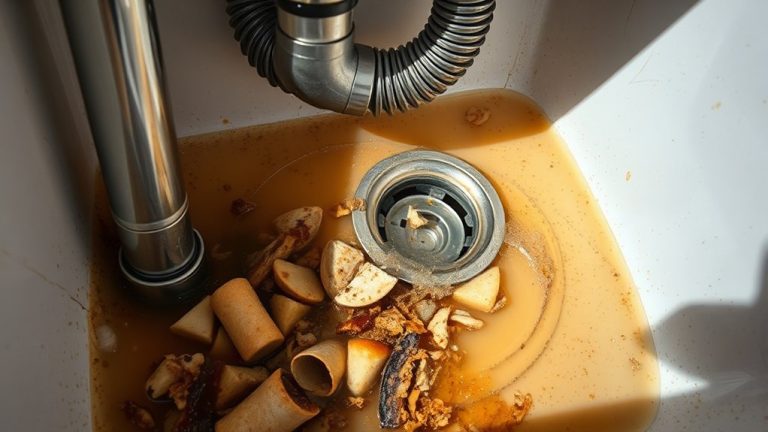
If your sink begins to back up or drain more slowly than usual, it might be a sign that your air gap is clogged. You may also notice a weird smell lingering around the sink area or see some debris sitting around the air gap itself. These are pretty clear clues that it’s time to take a closer look and see if your air gap needs cleaning or maybe even replacing.
Water Backup Symptoms
When your kitchen sink starts to back up or drain slowly, it’s often a sign that your air gap isn’t working properly. This can lead to water backing up into your sink or even onto your countertop.
Common water backup signs include gurgling sounds during drainage, water pooling around the sink’s drain or air gap, slow draining water, and water overflowing from the air gap opening.
If you notice these signs, it’s a good idea to check your appliance maintenance routine and think about how plumbing issues might be affecting your kitchen decor.
A malfunctioning air gap can disrupt your kitchen’s look and cause water damage if left unaddressed. Catching these symptoms early helps keep your kitchen both functional and visually appealing.
Unusual Odor Presence
A foul or unusual odor near your sink is often a clear sign that your air gap isn’t working properly, especially if you don’t see water backup. When the air gap gets clogged or blocked, odors from the drain can escape into your kitchen and make it smell unpleasant.
This problem might also mean your air gap isn’t compatible with your appliance setup, causing it to work less efficiently. You might notice the smell sticks around even after you’ve cleaned the sink or garbage disposal.
Regular maintenance and checking for obstructions can help prevent this issue. Making sure your air gap works correctly keeps your kitchen smelling fresh and maintains your sink’s hygiene and appliance compatibility. It can also save you from costly repairs or replacements down the line.
Visible Blockages or Debris
Visible blockages or debris around your air gap are clear signs it’s not working properly. These obstructions can cause water to back up or drain slowly, disrupting your sink’s performance and affecting your kitchen decor.
Check for buildup of food particles, grease, or soap scum that may clog the opening. Different sink materials, like stainless steel or porcelain, can show debris more clearly, helping you spot issues quickly.
If you notice water pooling or an unusual smell near the air gap, it’s time to inspect for blockages. Regular cleaning prevents clogs, keeping your sink running smoothly and maintaining its appearance.
Addressing visible debris early guarantees your kitchen decor stays pristine and your plumbing functions efficiently.
Troubleshooting Common Air Gap Problems Yourself
If your kitchen sink’s air gap is causing issues, you can often troubleshoot the problem yourself before calling a plumber. First, check for any visible clogs or debris blocking the air gap opening. Remove the cap and clean out any buildup with a brush or a cloth—this simple cleaning can restore proper drainage.
Sometimes, mineral deposits or soap scum can build up and affect water flow. While doing this, think about how your kitchen decor influences accessibility; a cluttered space might hide the problem or make cleaning harder. Make sure the tube connecting the air gap to the drain isn’t kinked or clogged.
If problems persist, replacing the air gap unit is easy and affordable. Keeping the area clean and free of debris not only improves function but also keeps your kitchen looking neat. Regular maintenance helps prevent future issues and keeps your kitchen fresh.
What Building Codes Say About Air Gaps in Residential Kitchens
Building codes set specific requirements for air gaps in residential kitchens to guarantee proper drainage and prevent contamination. These standards help keep your plumbing system safe and reduce the risk of backflow or sewage entering your water supply.
Local codes often specify the minimum height and design of the air gap to make sure they meet safety protocols. They also address how air gaps should be installed so they don’t interfere with your kitchen decor while still being functional.
Additionally, codes promote water conservation by encouraging efficient plumbing practices, including proper air gap placement. This helps ensure your kitchen remains both safe and environmentally friendly.
Key points include the minimum height requirements for air gaps, specific installation locations in sinks and dishwashers, compliance with local health and safety standards, and ensuring unobstructed drainage to support water conservation efforts.
Benefits of Maintaining a Proper Air Gap in Your Plumbing System
Maintaining a proper air gap in your plumbing system offers essential benefits that protect your water supply and guarantee safe operation. A well-kept air gap prevents contaminated water from siphoning back into your clean supply, reducing health risks.
It also ensures your sink and plumbing work smoothly, helping to prevent blockages and leaks that can lead to costly repairs. Keeping your air gap in good shape can also improve your kitchen’s look by stopping water backups or mold around fixtures.
Regular plumbing checks, including the air gap, help your system run better and last longer. When your air gap works properly, you avoid messy and inconvenient plumbing failures, saving you time and money.
In the end, a properly maintained air gap makes your kitchen safer, cleaner, and more attractive.
When Should You Upgrade or Call a Professional for Your Air Gap?
Knowing when to upgrade or call a professional for your air gap is key to preventing plumbing problems before they get worse. If you notice any damage, leaks that won’t stop, or if it doesn’t match your kitchen’s look, it’s time to take action.
Material wear and corrosion can weaken your air gap over time, affecting both how it works and how it looks. Upgrading might also be necessary if your current air gap doesn’t meet local plumbing codes or if you’re renovating and want a sleeker design.
Call a professional if you notice foul odors, slow drainage, or water backing up. These are signs of blockages or potential failure that need expert attention.
Look out for visible cracks, rust, or corrosion on the air gap. Frequent clogs or backups in your sink are also warning signs.
If your air gap uses outdated or incompatible materials, or if it no longer fits with your new kitchen style, it’s time for an upgrade.
Frequently Asked Questions
Can an Air Gap Be Installed Anywhere in My Kitchen Plumbing?
You can’t install an air gap just anywhere in your kitchen plumbing. The location has to be compatible with your plumbing system, usually near the sink or dishwasher drain.
It’s important to check if your plumbing setup allows for an air gap, as it needs to connect properly to prevent backflow.
Make sure to follow local plumbing codes and the manufacturer’s instructions to pick the right spot. Typically, this means installing it above the sink for proper drainage and safety.
How Often Should I Inspect or Clean My Kitchen Sink Air Gap?
You should inspect and clean your kitchen sink air gap at least once every six months. Imagine a homeowner noticing a slow drain; regular maintenance revealed debris buildup in the air gap, preventing backups.
Follow a simple maintenance schedule and cleaning techniques, like removing the cap and flushing with hot water or using a brush to clear blockages. Doing so helps prevent clogs and guarantees your plumbing stays hygienic and efficient.
Are There Alternative Devices to Air Gaps for Preventing Backflow?
Yes, there are plumbing options for backflow prevention besides air gaps. Check valves and double-check valves are common choices that stop contaminated water from flowing back into your clean water supply.
These devices are effective and can be easier to install or maintain. Just make sure to check local plumbing codes and talk to a professional plumber to pick the right device for your needs.
What Are the Common Signs Indicating My Air Gap Needs Replacement?
If you notice water backing up or gurgling around your air gap, it’s a sign it needs replacement. Leaks, corrosion, or reduced water flow also indicate air gap malfunction.
Regular air gap maintenance helps prevent issues, but if these signs appear, replace the device promptly to avoid backflow problems.
Ignoring these common malfunction signs can lead to plumbing backups and contamination risks, so stay vigilant and maintain your air gap regularly.
Is an Air Gap Required in All Residential Kitchen Sink Installations?
Think of an air gap as the safety net for your plumbing. While it’s not always legally required, many local plumbing codes and installation rules recommend or mandate using an air gap to prevent backflow contamination.
In residential kitchens, some areas do require it, especially if you have a dishwasher or garbage disposal. It’s a good idea to check your local codes to be sure.
But generally, installing an air gap is a smart move. It helps keep your water safe and can prevent costly repairs down the line.
Conclusion
Ensuring your kitchen sink has a proper air gap isn’t just a small detail. It’s the superhero of your plumbing system, stopping backflow and protecting your water like nothing else.
Don’t ignore signs of trouble or delay upgrades. Your water’s safety depends on it. Regular maintenance and understanding your air gap can save you from plumbing disasters.
These disasters could be more catastrophic than a flood in your kitchen. Stay vigilant and keep your plumbing fortress strong, with a well-functioning air gap at the heart of it all.