What Happens When a Crock Pot Goes in the Oven?
Many people love the convenience of using a Crock Pot, but figuring out what’s safe to do with it can be tricky. You’re not alone—many struggle with whether they can use their Crock Pot in the oven without damaging it.
Placing a Crock Pot in the oven can cause serious damage if it isn’t designed for high heat. Its materials, like plastics and certain ceramics, may crack, warp, or melt, creating safety hazards.
The seals and lids might also become warped or lose effectiveness. To avoid issues, check if your Crock Pot is oven-safe and follow manufacturer instructions.
Keep exploring for detailed tips to guarantee safe and effective oven use.
Key Takeaways
- Only oven-safe Crock Pots made from compatible materials can handle oven temperatures without getting damaged.
- Parts like plastics or rubber seals that aren’t oven-safe might melt, warp, or crack when exposed to high heat.
- Too much heat can weaken the structure, cause ceramic or glass inserts to shatter, and harm electrical parts.
- Warped lids or worn-out seals can lead to leaks, uneven cooking, and safety issues.
- Using a Crock Pot that isn’t meant for the oven risks damage, safety hazards, and even releasing harmful fumes.
Can You Safely Use a Crock Pot in the Oven?
Many people wonder if it’s safe to use a Crock Pot in the oven, but the answer isn’t straightforward. Crock pot durability varies depending on the brand and materials used, so not all models are oven-safe. Most slow cookers are designed for low, slow cooking on the countertop, not high-temperature oven use.
Before trying to put yours in the oven, check the manufacturer’s guidelines carefully. Oven safety considerations include the type of insert—if it’s removable and oven-safe, you might be able to use it safely. However, the exterior housing, control panel, and cord are typically not oven-safe and can get damaged or pose safety risks if exposed to high heat.
Ultimately, understanding your specific model’s construction and limits is essential. Ignoring these details can compromise crock pot durability and safety, possibly leading to damage or accidents. Always follow manufacturer instructions for safe use and avoid guesswork.
What Are the Risks of Putting a Crock Pot in the Oven?
Putting a Crock Pot in the oven can be dangerous, especially if you don’t know how it’s built or what the manufacturer recommends. Many Crock Pots aren’t made to handle high oven temperatures, which can weaken their structure.
Over time, exposing the ceramic insert or plastic parts to heat may cause cracking, warping, or even melting. This can create safety hazards that are easy to overlook. Ignoring oven safety guidelines might also lead to harmful fumes or chemicals being released.
Plus, the electrical parts inside a Crock Pot aren’t designed for oven use. That increases the risk of fires or electrical failures. Relying on the Crock Pot’s durability without knowing its limits can cause damage or worse.
Always check the manufacturer’s instructions before trying to use a Crock Pot in the oven. Remember, not all models are oven-safe. Putting safety first can help you avoid costly damage or injuries.
Will Crock Pot Materials and Components Handle High Oven Temperatures?
Crock Pot materials and components are generally not designed to handle high oven temperatures. Most slow cookers use plastics, rubber seals, and glass or ceramic inserts that aren’t built for intense heat.
These materials are chosen for their durability during slow cooking, not for direct oven use. When exposed to high temperatures, plastic parts can melt or warp, which can damage the crock.
Plastic parts are designed for slow cooking, not oven use; high temperatures can cause melting or warping.
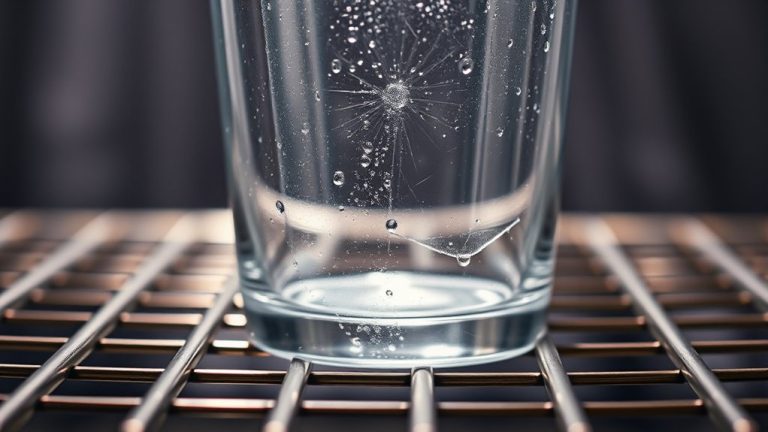
The ceramic or glass inserts can usually handle moderate oven heat, but very high temperatures may cause cracking or shattering. Durability depends on the specific model and materials used.
In general, crock pots aren’t meant for oven cooking at high heat. Putting one in the oven risks damaging its parts, shortening its lifespan, and creating safety hazards.
Always check your appliance’s specifications to see its oven heat tolerance before trying to use it that way.
How Do Heat and Oven Temperatures Affect Crock Pot Seals and Lids?
High oven temperatures can actually weaken the seals on your crock pot. When that happens, you might notice leaks or spills happening more often. Sometimes, the lid doesn’t fit as snugly as it used to, which can really mess with your cooking results.
Impact of High Temperatures
Ever wondered how extreme heat affects your slow cooker’s seals and lids? High oven temperatures can challenge their material durability and disrupt temperature regulation.
When exposed to intense heat, seals may warp or crack, leading to potential leaks. Lids can become warped or lose their snug fit, which can compromise your cooking process.
Understanding how heat impacts these components helps you avoid damage. For example, high temperatures can weaken or deform materials over time.
Warped lids may cause uneven heat distribution, making your cooking less reliable. Repeated exposure to high heat accelerates wear and tear on both seals and lids.
Sealing Effectiveness at Oven Heat
When exposed to oven temperatures, the sealing effectiveness of crock pot lids can considerably diminish. High heat challenges the seal integrity, making it less reliable.
Oven heat can cause materials like rubber or silicone gaskets to soften or deform, reducing their heat resistance. As a result, the lid may no longer fit snugly, risking spills or contamination.
Elevated temperatures accelerate the breakdown of seal components, weakening their ability to contain moisture or aroma. If you’re considering placing your crock pot in the oven, be aware that the heat can compromise the lid’s seal, leading to potential leaks or loss of flavor.
Ensuring your lid’s seal integrity withstands oven heat is essential for maintaining the appliance’s functionality and safety during oven use.
Are Crock Pot Parts Safe at Oven Temperatures?
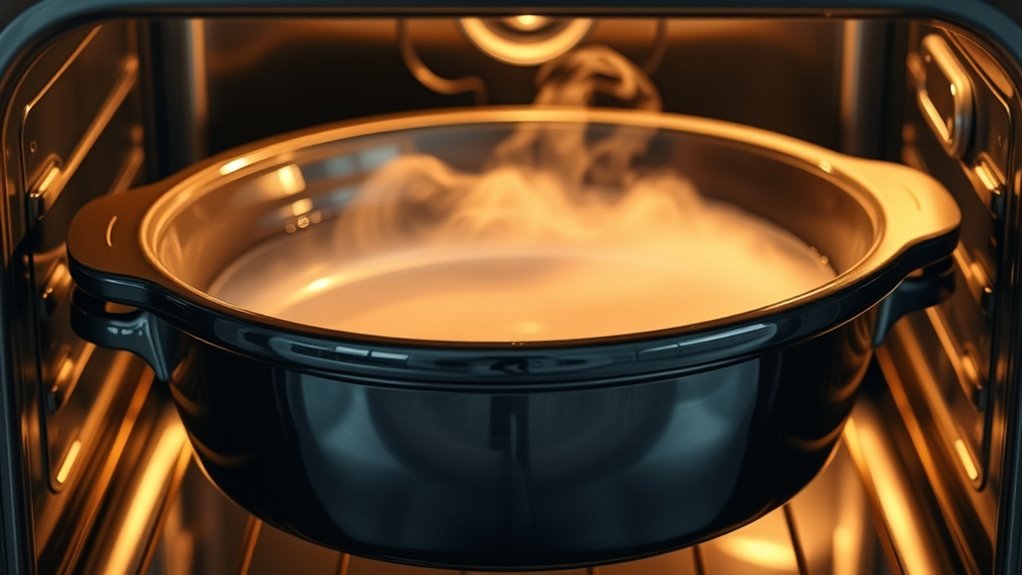
So, you’re wondering if the parts of your Crock Pot can handle oven temperatures, right? Well, it’s important to know that different materials used in Crock Pots have their own heat limits. If you crank up the heat too much, you might end up damaging or warping the parts, which isn’t what you want.
Getting a feel for how hot each part can go helps you avoid accidents and keeps your appliance in good shape. Basically, never assume everything is oven-safe just because it works in the slow cooker. Checking the manufacturer’s guidelines or labels can save you a lot of trouble down the line.
Material Temperature Resistance
Crock pot parts are usually made from materials that can handle certain temperature ranges. But not all parts are oven-safe. Knowing the material’s temperature resistance helps you judge how durable and safe your crock pot is.
Some materials, like glass ceramic and certain plastics, can handle higher oven temperatures. Others, like rubber or foam parts, should never go in the oven.
Here’s a quick overview:
| Material | Max Safe Temperature | Suitable for Oven Use? |
|---|---|---|
| Glass ceramic | 500°F (260°C) | Yes |
| Plastic | 200°F (93°C) | No |
| Metal | 1,200°F (649°C) | Yes |
| Rubber | 200°F (93°C) | No |
| Silicone | 450°F (232°C) | Yes |
Being aware of what’s safe helps you avoid damage and keeps your appliance safe to use.
Potential Part Damage
While some parts of your crock pot can handle oven temperatures, others are more vulnerable to damage. The heating base and ceramic insert are usually oven-safe, but the lid, especially if it has a non-stick coating, might not be.
High oven temperatures can wear down the non-stick coating, making it less effective and harder to clean over time. Plastic or rubber parts like handles or seals often aren’t oven-safe and can melt or warp if exposed to high heat.
Repeated exposure to high temperatures can weaken these parts, increasing the risk of breakage or safety issues. Always check the manufacturer’s guidelines and avoid exposing parts not designed for oven use.
Proper care helps keep your crock pot functional and safe for various cooking needs.
What Are Better Alternatives to Oven-Heating a Crock Pot?
When looking for better ways to heat your slow cooker without risking damage, there are practical alternatives that offer more control and safety. Using your slow cooker as intended ensures its durability and keeps your kitchen appliances safe.
Instead of placing it in the oven, try simmering ingredients on the stovetop in a heavy pot with a tight lid. This method allows you to regulate the temperature precisely, helping prevent overheating.
You can also use a slow cooker liner to make cleanup easier and avoid direct heat exposure. Investing in a sous-vide cooker provides precise temperature control for gentle, even heating.
For larger meals, consider using a roaster oven or electric skillet. These options give more consistent heat without risking damage to your crock pot.
How Can You Adapt Recipes for Oven Cooking Without a Crock Pot?
Adapting recipes for oven cooking is easy once you know how to change the cooking times and liquids. For recipes meant for a Crock pot, you’ll need to make a few key adjustments.
First, cut down the cooking liquids by about 25%. Evaporation happens faster in the oven, so less liquid is needed to keep everything moist.
Reduce cooking liquids by a quarter to prevent over-sogginess in oven cooking.
Next, raise the oven temperature slightly—about 25°F higher—to make up for the lack of the slow, steady heat of a Crock pot.
Use an oven-safe dish with a lid or cover it tightly with foil to trap moisture and keep your food tender.
Finally, start checking for doneness earlier. Since oven cooking can be quicker, test your dish around 30 minutes before the Crock pot recipe’s usual cooking time.
How Do You Know If Your Crock Pot Is Damaged by Heat?
A damaged Crock Pot often shows signs of overheating or malfunctioning parts that no longer work properly. If you notice the exterior becoming excessively hot or the heating element failing to turn on, it could indicate heat damage.
Cracks or warping in the ceramic insert or plastic components also suggest exposure to excessive heat. This damage can compromise the appliance’s safety and efficiency, making Crock Pot repairs more urgent.
Check for burnt or melted areas on heat-resistant materials; these are clear signs of overheating. If your Crock Pot emits a burnt smell or produces inconsistent temperatures, it’s likely damaged.
Over time, heat exposure can weaken the internal wiring and plastic parts, increasing the risk of malfunction. Regular inspection for visible damage, such as cracks or warping, helps prevent safety hazards.
Tips for Using Slow Cookers Safely With Your Oven
When you’re using your slow cooker in the oven, make sure it’s sitting on a sturdy, heat-resistant surface. Keep it away from direct heat sources like burners or open flames to avoid any accidents. It’s also a good idea to double-check that your crock pot is actually rated for oven use—that way, you know it can handle the heat safely.
And don’t forget about the temperature! Keep it within the safe limits recommended by the manufacturer. By placing it properly and managing the heat, you can help prevent any damage and cook your meals safely and smoothly.
Proper Crock Pot Placement
Have you ever wondered how to safely place your Crock Pot in the oven? Proper placement ensures safety and helps keep your Crock Pot in good shape.
First, always thoroughly clean your Crock Pot before using it in the oven. This prevents food residues from burning or causing unwanted odors.
When storing your Crock Pot, keep it in a dry, stable spot away from direct heat sources. Before putting it in the oven, double-check that the materials are oven-safe.
Here are some tips to keep in mind:
- Make sure the exterior and lid are oven-safe.
- Avoid placing the Crock Pot directly on a heating element or flame.
- Use oven mitts when transferring it to prevent burns.
- Place a heat-resistant mat underneath to protect your surfaces.
Following these steps helps extend your Crock Pot’s life and keeps your kitchen safe.
Temperature Compatibility Tips
Making sure your Crock Pot can handle oven temperatures is really important for safe and effective cooking. Always check the manufacturer’s guidelines to avoid any damage or safety issues. Proper maintenance means knowing the heat limits and avoiding sudden temperature changes.
To stay safe, use an oven thermometer to monitor the temperature and prevent overheating. Here’s a quick reference to help you out:
| Oven Temp (°F) | Crock Pot Compatibility | Notes |
|---|---|---|
| 200-250 | Usually safe | Great for low-temperature cooking |
| 300-350 | Use caution | Check your manufacturer specs |
| 400-450 | Generally unsafe | Risk of damage or breakage |
| 500+ | Not recommended | Safety concern in the kitchen |
| Variable | Test carefully | For specific models |
Regular maintenance and knowing your Crock Pot’s temperature limits will help keep your kitchen safe and your appliance lasting longer.
Should You Upgrading to an Oven-Safe Slow Cooker?
Upgrading to an oven-safe slow cooker can be a smart move if you want more versatility in your cooking. It allows you to brown, bake, or finish dishes without transferring them, making things more convenient and efficient.
When considering an upgrade, think about these factors:
- Crock pot durability – Make sure the exterior and lid materials can handle oven temperatures without cracking or warping.
- Kitchen safety – Check that the handles and controls are oven-safe to prevent accidents or damage.
- Material compatibility – Confirm the insert is made of oven-safe ceramic or glass, suitable for high heat.
- Functionality – Pick a model that keeps a steady temperature and has adjustable settings for precise cooking.
Upgrading ensures your appliance can handle oven use safely, but always double-check the manufacturer’s guidelines for your specific model. Choosing the right oven-safe slow cooker boosts your cooking options while keeping safety and durability in mind.
Frequently Asked Questions
Can a Crock Pot Be Used to Bake Dishes in the Oven?
You can sometimes use a Crock Pot to bake dishes in the oven if it’s oven-compatible and has good durability.
However, most Crock Pots aren’t designed for oven use, and their plastic parts or lids might melt or degrade.
Always check the manufacturer’s guidelines for oven compatibility before trying to bake.
Avoid using a Crock Pot in the oven unless it’s explicitly rated for such use to prevent damage or safety hazards.
How Does Oven Heat Affect Crock Pot Electrical Components?
Oven heat can be a wolf in sheep’s clothing for your crock pot’s electrical components, risking damage or failure. You need to pay attention to electrical safety because high temperatures might cause short circuits or burn out parts.
The material durability of your crock pot also matters—some parts aren’t made to handle oven heat, which can lead to warping or melting. Always check the manufacturer’s guidelines to avoid turning your trusted appliance into a cautionary tale.
Are Crock Pot Slow Cookers Dishwasher Safe After Oven Use?
After using your crock pot in the oven, it’s best to check the manufacturer’s instructions before placing it in the dishwasher. Usually, the stoneware insert is dishwasher safe, but the lid and other parts may not be.
Prioritize kitchen safety by ensuring all components are cool and properly cleaned. Doing so helps maintain appliance durability and prevents damage, ensuring your slow cooker stays in good condition for future use.
Does Oven Temperature Impact Crock Pot’s Warranty or Safety Certifications?
Oven temperature can impact your crock pot’s safety certification and material compatibility. If you expose your crock pot to high oven temperatures beyond the manufacturer’s recommendations, it may void your warranty and compromise safety standards.
Always check your appliance’s safety certification and material compatibility guidelines. Using your crock pot within the recommended temperature range guarantees it remains safe, functional, and compliant with warranty conditions.
This helps prevent damage or potential hazards, so it’s best to follow the suggested temperature limits for your device.
Can Using a Crock Pot in the Oven Void Its Manufacturer’s Warranty?
Using a crock pot in the oven is like pushing the limits of a trusted friend. You risk voiding its warranty and safety certifications.
Manufacturers often specify that crock pots are for slow cooking only. Doing otherwise may impact warranty coverage and safety.
Always check your product’s manual before using it in the oven. It could lead to damage or loss of coverage, which isn’t worth the risk.
Conclusion
Just like trying to fit a square peg in a round hole, putting a crock pot in the oven isn’t always a safe bet. It might seem like a quick way to finish off a dish, but it can lead to some real problems.
I once watched a friend accidentally ruin her slow cooker by exposing it to high heat, much like a delicate glass shattering under pressure. The materials inside aren’t designed to handle oven temperatures, which can cause cracking or melting.
To keep your cooking safe and stress-free, stick to oven-safe cookware or adapt recipes accordingly. When it comes to what happens when a crock pot goes in the oven, understanding the risks helps you avoid disasters.
Remember, your best bet is to use the right tools for the job—your meal will turn out much better when you know what’s oven-safe.