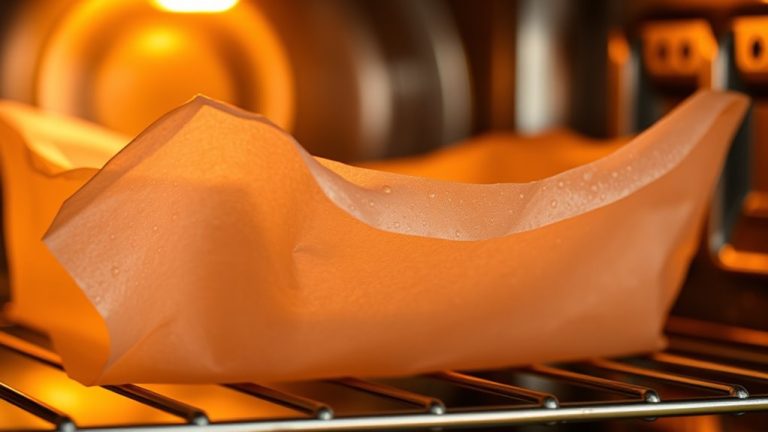
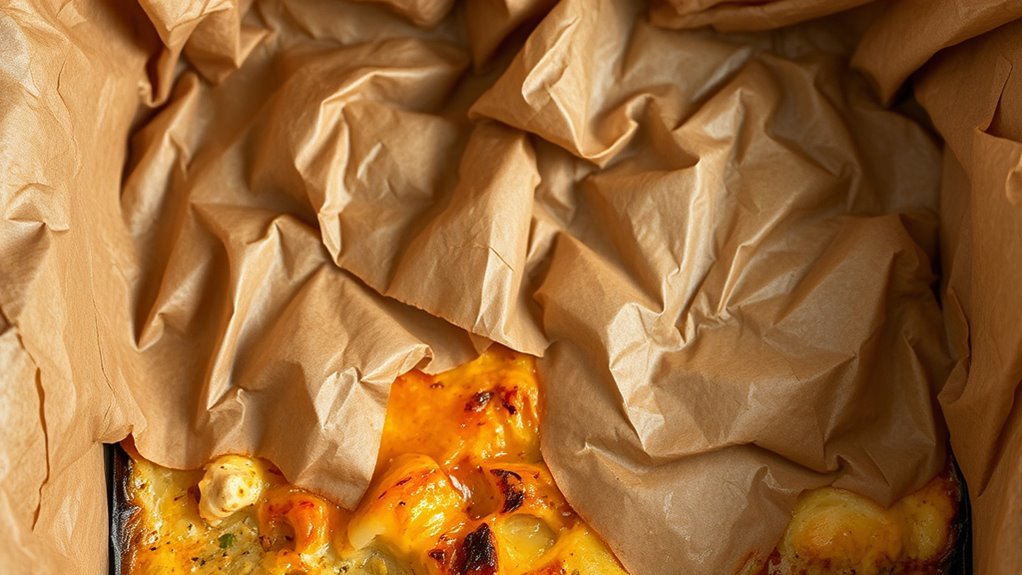
What Happens When You Use Butcher Paper in the Oven?
Many people struggle with getting the perfect cookout or barbecue results without risking safety or ruining their food. You’re not alone—nobody wants to deal with burnt or undercooked dishes, especially when using tools like butcher paper.
When you use butcher paper in the oven, you risk it catching fire or melting if the temperature exceeds 400°F, especially if it’s coated or not oven-safe.
While uncoated, food-grade butcher paper can handle moderate heat and help preserve moisture and flavor, improper use or high temperatures can cause safety hazards or affect your food’s texture.
Want to know how to use it safely and effectively? Keep going for all the details.
Key Takeaways
- Butcher paper may catch fire if the oven temperature exceeds 400°F, especially if it’s coated or not oven-safe.
- Using non-oven-safe butcher paper can release harmful fumes or melt, which can be dangerous.
- Properly used, uncoated butcher paper lets moisture escape, improving flavor and preventing it from getting too soft.
- Overheating or leaving it in the oven too long can cause the paper to burn, char, or even ignite.
- Reusing butcher paper in the oven isn’t safe, and how you dispose of it depends on how clean it is and whether it’s coated.
Can You Safely Use Butcher Paper in the Oven?
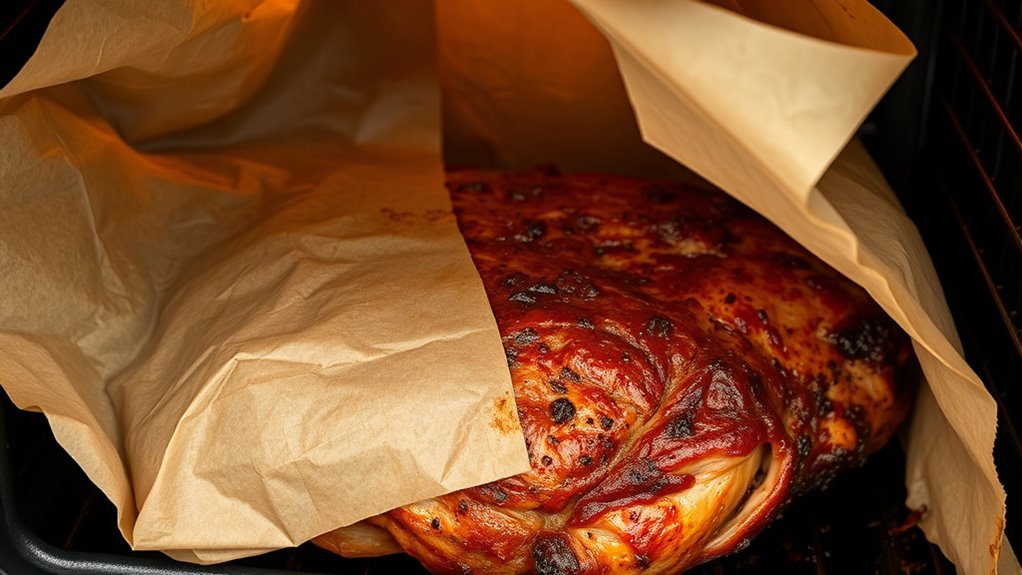
Many people wonder if it’s safe to use butcher paper in the oven, especially since it’s often used for wrapping meats during smoking or grilling. The main concern is whether the paper can handle oven temps without catching fire or releasing harmful chemicals.
Many wonder if butcher paper is safe in the oven, but it’s mainly for smoking, not high-temperature baking.
Butcher paper is designed to be moisture-resistant, not heat-resistant at high temperatures. Using it directly in the oven can be risky, especially if the temperature goes over 400°F.
You might use butcher paper to wrap meat temporarily for storage, but it’s not a good idea to transfer that wrapped meat straight into the oven. For keeping meat moist while cooking, consider alternatives like foil or oven-safe parchment paper.
Always check the manufacturer’s guidelines for the specific paper you’re using. In general, unless it’s marked oven-safe, it’s best to avoid using butcher paper directly in the oven for safety and proper meat prep.
What Is Butcher Paper, and Why Do Cooks Use It?
What exactly is butcher paper, and why do cooks rely on it? Butcher paper is a tough, breathable kind of paper traditionally used for meat curing and butchering.
Its porous nature allows moisture to escape while keeping the meat protected. This makes it perfect for slow-smoking and barbecuing.
Cooks like it because it helps keep moisture levels just right, leading to tender, flavorful meat. Plus, it’s eco-friendly since it’s biodegradable and recyclable, unlike plastic wraps.
Its strength and flexibility mean it can wrap large cuts of meat without tearing. This also helps ensure even heat transfer during cooking.
Unlike foil, it doesn’t trap steam too much, which helps develop a nice bark or crust on smoked meats. Overall, butcher paper is a versatile tool that makes cooking easier and greener.
Which Types of Butcher Paper Are Oven-Safe?
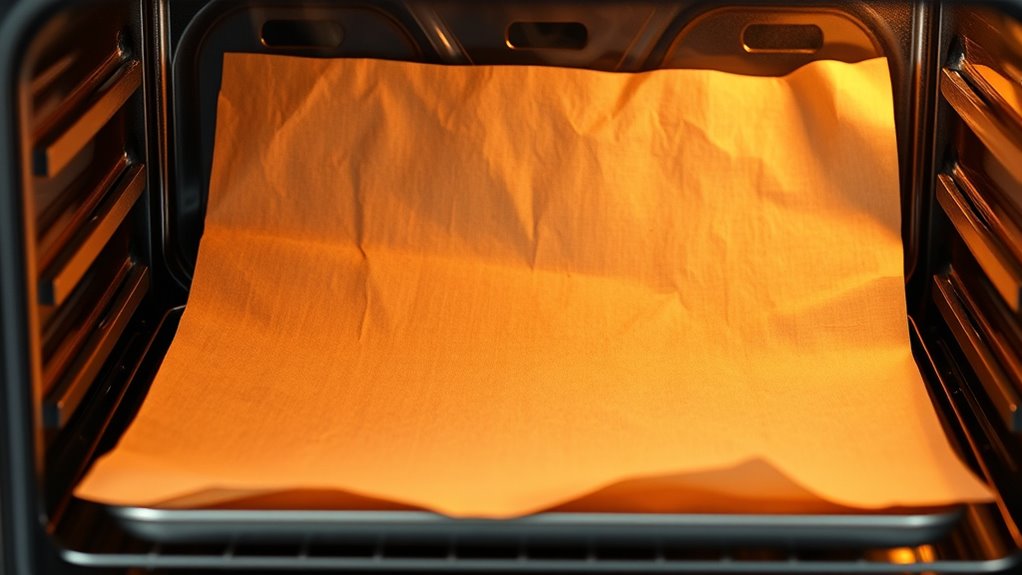
Not all butcher paper is created equal when it comes to oven safety, so it’s good to be aware of the different types. Generally, uncoated butcher paper is the one you can use in the oven because it’s less processed and doesn’t have any coatings that might melt or release harmful chemicals. On the other hand, coated butcher paper isn’t usually oven-safe since the coating can melt at high temperatures, which isn’t ideal when you’re cooking.
It’s also really important to look for food-safe certification standards on the packaging. This way, you know the paper has been tested and approved for contact with food and oven use. Knowing these details can help you pick the right paper and avoid any safety or quality issues while cooking.
Uncoated vs. Coated Types
When choosing butcher paper for oven use, understanding the differences between uncoated and coated types is important.
Uncoated butcher paper is great for wrapping meat and lets heat pass through easily, making it oven-safe. It also resists dyeing and ink transfer, helping keep your food uncontaminated.
Coated butcher paper has a layer of wax or polyethylene, which can make it less suitable for oven use. The coating helps prevent grease absorption and keeps moisture in, but it might melt or release fumes at high temperatures.
If you plan to use butcher paper in the oven, go for uncoated varieties. This way, you avoid safety issues and keep your meat moist without worrying about dyeing or coating melting.
Food-Safe Certification Standards
Many butcher papers are labeled as food-safe, but not all are suitable for oven use. To ensure safe meat preservation and proper food packaging, look for papers with specific certification standards.
These standards confirm that the paper can handle heat without releasing harmful chemicals or affecting flavor. Check for labels like FDA approval or USDA certification, which guarantee oven-safe qualities.
Some papers are designed for wrapping raw meat, while others are meant for smoking or slow roasting. Use the table below to compare your options:
| Certification | Suitable for Oven | Best For |
|---|---|---|
| FDA-approved | Yes | Meat preservation |
| USDA-certified | Yes | Food packaging |
| Food-grade | Limited | Wrapping |
| Commercial-grade | Yes | Slow roasting |
Choosing the right butcher paper helps ensure safety and preserves quality during cooking.
How Does Using Butcher Paper in the Oven Affect Food Flavor and Texture?
Using butcher paper in the oven can subtly influence the flavor and texture of your food. Its breathable nature allows moisture to escape gradually, promoting flavor enhancement through gentle evaporation.
Butcher paper in the oven gently enhances flavor and preserves texture through breathable, moisture-controlled cooking.
This process helps concentrate natural juices, intensifying the taste without overwhelming the dish. Plus, the paper’s thickness provides a mild barrier that preserves the food’s texture, preventing excessive drying or over-softening.
Unlike foil, butcher paper doesn’t trap all moisture, so your meat or vegetables maintain a desirable bite. The result is a balanced combo of tenderness and firmness, with flavors that stay vibrant.
Because butcher paper is porous, it allows some steam to escape while still protecting the food. This leads to a more nuanced flavor profile. Overall, using butcher paper in the oven helps you get a more flavorful, well-textured dish.
It’s a handy tool for specific cooking styles and recipes that benefit from this gentle moisture management.
How Do You Properly Wrap Food in Butcher Paper for Oven Cooking?
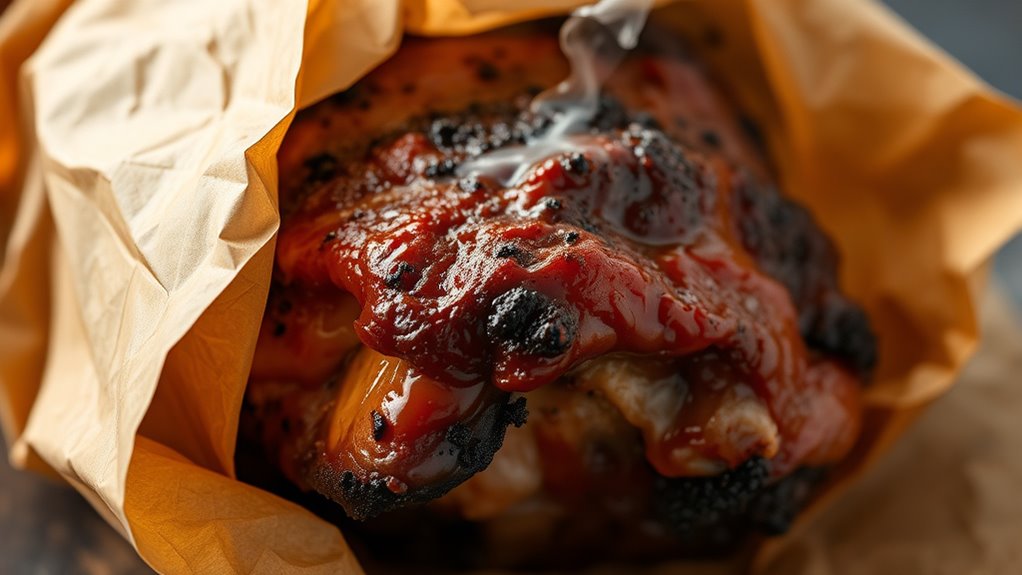
Wrapping food in butcher paper for oven cooking is pretty straightforward, but there are a few tips to get it just right. First off, make sure you pick a piece of butcher paper that’s thick enough to hold in the juices without leaking. You don’t want a thin sheet that might tear or let the flavors escape.
Next, lay your food in the center of the paper. When you start folding the edges up, do it tightly but gently—no need to squeeze too hard, just enough to keep everything snug. The goal is to secure the food without crushing it. Once it’s wrapped up nicely, you can use your hands or some clips to seal the edges and keep everything inside during baking.
And that’s it! With a good wrap, your food will stay juicy and flavorful while cooking in the oven.
Choosing the Right Paper
Choosing the right butcher paper is key to making sure your food cooks properly and stays moist. When picking paper, focus on kitchen safety by choosing food-grade, FDA-approved options that won’t leak harmful chemicals.
Paper durability is just as important. You want a sturdy sheet that won’t tear easily when exposed to heat or handled. Look for thick, unwaxed butcher paper made specifically for oven use.
Be careful to verify that the paper is meant for oven use. Some papers are only suitable for cold storage or wrapping and can break apart during cooking. Properly choosing durable, safe butcher paper helps prevent accidents and ensures your food cooks evenly without leaks or messes.
Wrapping Technique Tips
Once you’ve chosen the right butcher paper, the next step is wrapping your food properly to ensure even cooking and moisture retention. Start by placing your food in the center of the paper.
Then, fold the edges tightly around it, making sure there are no gaps. To keep the wrap secure, you can use kitchen twine or tape if needed. Just avoid wrapping it too tight, which could trap steam or cause uneven heat.
Be careful to avoid tears or holes in the paper that could expose your food to direct heat. This can lead to burning or unsafe cooking conditions. Proper wrapping helps prevent contamination and keeps juices locked in.
It also ensures your dish stays moist and flavorful. Remember, a well-wrapped food item is key to consistent, delicious results.
Are There Risks to Using Butcher Paper in the Oven?
While butcher paper is popular for wrapping meats and lining surfaces, using it in the oven can pose some risks. The main concern is food safety because not all paper types can handle high heat.
Some butcher papers are coated or treated, which can release harmful chemicals when heated. If you use the wrong type of paper, it might ignite or catch fire, especially at higher temperatures.
Untreated butcher paper is usually safe for wrapping or lining, but prolonged exposure to direct heat increases the risk of burning. Always check if the paper is labeled oven-safe before using it.
Using non-oven-safe paper can lead to dangerous fumes or even fires. So it’s important to understand the differences between paper types and their heat tolerances to stay safe when baking or roasting with butcher paper.
Tips for Using Butcher Paper Effectively When Baking or Roasting
To get the best results when baking or roasting with butcher paper, it’s important to use it correctly. Start by considering meat preparation; confirm your meat is dry and seasoned before wrapping to promote even cooking and flavor absorption.
Ensure meat is dry and seasoned before wrapping for optimal flavor and even cooking with butcher paper.
When selecting butcher paper, be aware of paper manufacturing quality. Opt for food-grade paper that can withstand oven heat without tearing or releasing unwanted chemicals.
Keep in mind that different papers have varying thicknesses and permeability. A slightly thicker paper can better handle juices and prevent leaks.
Always pre-cut your paper to fit your meat or dish. Avoid excess folds that might trap moisture or cause uneven cooking.
Properly secured, butcher paper helps retain moisture and enhances flavor. Finally, monitor oven temperature carefully, as high heat can compromise lower-quality paper, leading to burning or sticking.
Following these tips ensures safe, effective use of butcher paper in your baking or roasting process.
What Are the Best Alternatives to Butcher Paper for Oven Wrapping?
If you’re on the hunt for alternatives to butcher paper for oven wrapping, there are a few good options to consider. Aluminum foil is probably the most common go-to because it’s super versatile and can handle high heat without any fuss. Plus, it’s great for wrapping foods tightly and locking in moisture.
Parchment paper is another solid choice. It’s non-stick and heat-resistant, making it perfect for baking and oven roasting. You can easily fold it around your food, and it won’t stick or tear easily.
Silicone baking mats are also worth thinking about. They’re reusable, non-stick, and can withstand high oven temperatures. They’re especially handy if you’re looking for something eco-friendly and want to reduce waste.
Each of these options has its own perks, so it’s worth considering what kind of baking or oven tasks you typically do. Finding the right wrap can make all the difference in getting perfect results every time!
Aluminum Foil Options
Are aluminum foil options the best alternatives to butcher paper for oven wrapping? They can be, especially for meat preservation and specific packaging techniques. Aluminum foil seals tightly, locking in moisture and flavors, making it ideal for roasting or slow-cooking meats.
It also provides a barrier against air and humidity, helping to preserve freshness. Unlike butcher paper, foil won’t absorb juices, reducing mess and cleanup.
However, foil’s reflective surface can slightly change cooking times and isn’t suitable for all recipes. When choosing foil, go for heavy-duty options for better durability and heat resistance.
Keep in mind, foil offers excellent moisture retention but doesn’t let smoke or steam escape, which might affect some cooking styles. Overall, foil is a versatile, reliable alternative for oven wrapping.
Parchment Paper Benefits
Wondering about the best alternatives to butcher paper for oven wrapping? Parchment paper offers several benefits, especially for meat wrapping. It’s non-stick, making it easy to handle and clean, and withstands oven heat without tearing or sticking, unlike some other options.
Plus, parchment paper is versatile. It’s ideal for wrapping meats during cooking and serving, helping prevent messes and keep the meat moist. It also adds a clean, professional look when used as part of kitchen decoration, especially in presentation.
Unlike butcher paper, parchment paper doesn’t impart any unwanted flavors. This ensures your meat’s taste stays intact. Its oven-safe nature makes it a reliable choice for various cooking methods, offering both convenience and safety.
Silicone Baking Mats
Silicone baking mats are a great alternative to butcher paper for oven wrapping because they offer a reusable, non-stick surface that can handle high temperatures. Using these mats makes your kitchen safer by removing the need for disposable wraps that might catch fire or release fumes.
They’re durable and easy to clean, helping with food preservation by preventing sticking and contamination. Silicone mats also distribute heat evenly, so your food cooks thoroughly without burning or drying out.
Their flexibility makes it simple to wrap or line baking trays, reducing mess and cleanup time. Plus, since they’re non-toxic and heat-resistant, they’re a safe choice for any oven use.
Common Mistakes to Avoid When Using Butcher Paper in the Oven?
Using butcher paper in the oven can be convenient, but it’s easy to make mistakes that could ruin your food or create safety hazards. One common error is using uncoated or untreated paper, which can catch fire or produce harmful fumes, risking your kitchen safety.
Furthermore, neglecting to check the paper’s heat tolerance may lead to burning or smoke. Be mindful of environmental impact by avoiding excessive waste; reuse or recycle when possible.
To help you remember, here’s a quick guide:
| Mistake | Consequence |
|---|---|
| Using uncoated butcher paper | Fire hazard and toxic fumes |
| Not checking heat limits | Burning and smoke production |
| Ignoring kitchen safety | Potential burns or fire risks |
| Disregarding environmental impact | Increased waste and pollution |
Stay attentive to these pitfalls to keep your cooking safe and eco-friendly.
Can You Reuse or Recycle Butcher Paper After Oven Use?
After using butcher paper in the oven, it’s generally not a good idea to reuse it for cooking or storing food. The paper often gets charred or coated with grease, which makes it unsafe and not suitable for reuse.
When it comes to recycling, butcher paper isn’t usually accepted in curbside programs because of contamination and potential fire hazards.
Here are some options to consider:
- Recycling methods: Check with your local recycling facility. Some may accept clean, uncoated butcher paper, but most won’t after oven use.
- Environmental impact: Throwing used butcher paper in the trash adds to landfill waste, but recycling can help reduce its environmental footprint.
- Alternative reuse: If the paper is clean and unused, you can repurpose it for crafts or wrapping. Just avoid reusing paper that’s been exposed to heat or grease.
Being mindful of recycling options helps minimize waste and supports eco-friendly habits.
Frequently Asked Questions
Can Butcher Paper Withstand High Oven Temperatures Without Catching Fire?
Butcher paper generally can’t withstand high oven temperatures without catching fire. Its paper durability is limited, and exposing it to direct heat increases your fire risk.
You might find it safe for wrapping or lining at lower temperatures, but for high-heat cooking, parchment paper or other heat-resistant materials are better choices.
Always check the manufacturer’s guidelines to avoid accidents and guarantee safe cooking.
Is It Safe to Cook Delicate Foods Directly on Butcher Paper in the Oven?
You shouldn’t cook delicate foods directly on butcher paper in the oven, as it may not be safe for food safety reasons. The paper isn’t designed for direct heat and could ignite or leach chemicals.
Instead, consider paper alternatives like parchment paper, which is safer for oven use. Always prioritize food safety by choosing appropriate, oven-safe materials to avoid accidents and keep your food safe to eat.
How Does Butcher Paper Compare to Parchment Paper in Oven Cooking?
Butcher paper isn’t ideal for oven cooking compared to parchment paper. Parchment provides a non-stick surface and can handle heat, making your food look better and cleaning up easier.
Butcher paper, often used for wrapping meats, can burn or release ink, which can affect your food and presentation.
For safer, more effective cooking, stick with parchment paper in the oven. It helps you get a clean, professional look and gives you better control over your dish’s outcome.
Does Using Butcher Paper Require Special Oven Settings or Adjustments?
Using butcher paper doesn’t require special oven settings, but you should adjust your approach. Set the oven to a moderate temperature, around 350°F to 400°F, and make sure the paper is prepared properly—like soaking or oiling if needed.
Keep an eye on the paper to prevent scorching, especially if you’re cooking for longer. By balancing the oven temperature and preparing the paper carefully, you can safely use butcher paper without changing your usual cooking routine.
Can Butcher Paper Be Used for Oven Roasting of Different Meat Types?
You can use butcher paper for oven roasting different meat types, but it’s not always the best choice for every cooking method or meat prep.
For delicate meats or high-temperature roasting, foil or parchment might be a better option. Butcher paper is great for slow, low-temperature cooking.
It helps retain moisture and develop flavor, making it ideal for those methods. Always think about the meat’s texture and how you’re cooking it to see if butcher paper is the right fit.
Conclusion
Using butcher paper in the oven can be a game-changer for flavor and presentation, but only if you choose the right type and follow proper techniques. Are you ready to enhance your cooking while keeping safety in mind?
Remember, understanding the material and avoiding common mistakes can make all the difference. When you respect the limitations of butcher paper, you unlock its full potential. This can turn everyday meals into memorable culinary experiences.