What Happens If You Boil Oven-Ready Lasagna Noodles?
Many people struggle with getting their lasagna just right. One common frustration is ending up with noodles that are too soft or mushy, ruining the dish’s texture and appearance. If you’re trying to avoid soggy, broken noodles, you’re not alone.
What Happens If You Boil Oven-Ready Lasagna Noodles?
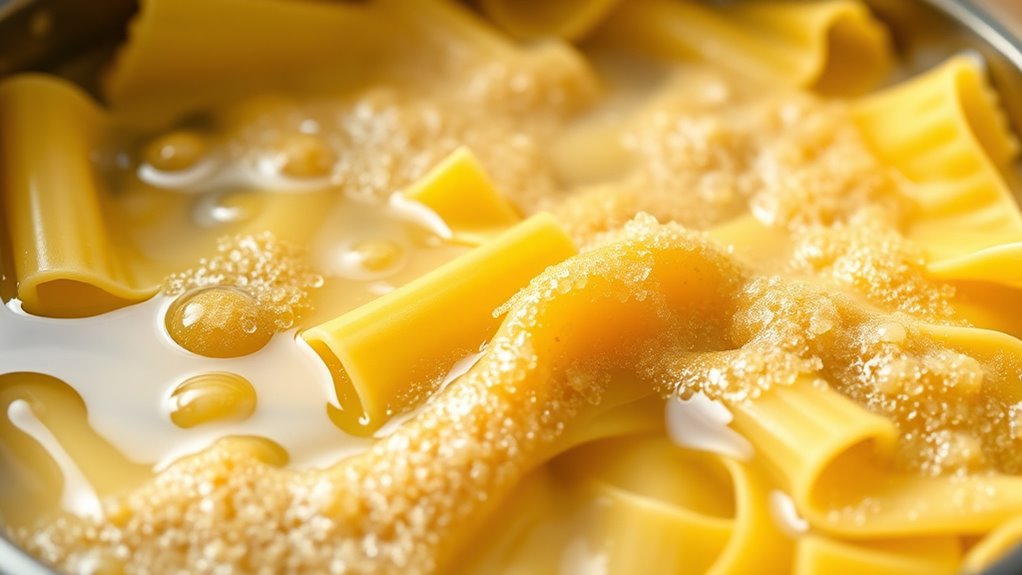
If you boil oven-ready lasagna noodles, they become overly soft and mushy, losing their firm, chewy texture.
Boiling can cause the noodles to break apart, stick together, and lose the structure needed for a neat lasagna.
This can lead to a soggy dish and make it harder to achieve the right layering.
Want to know how to prepare them perfectly and avoid these issues? Keep exploring for more helpful tips.
Key Takeaways
- Boiling makes oven-ready noodles overly soft and mushy, changing their intended firm texture.
- It also increases the chances of noodles breaking apart or sticking together.
- Overcooked noodles lose their structure, which affects the overall lasagna consistency.
- Boiling can make noodles overly flexible and less elastic, which isn’t ideal.
- The flavor mostly stays the same, but the texture and firmness are greatly affected.
What Are Oven-Ready Lasagna Noodles?
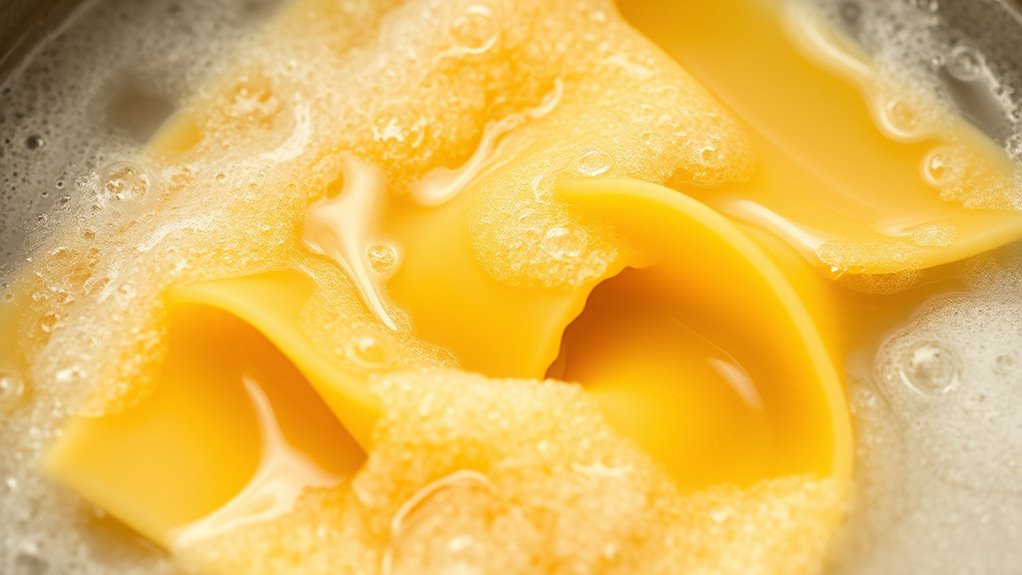
Oven-ready lasagna noodles are specially designed pasta sheets that don’t need pre-cooking before baking. They’ve become popular because they’re so convenient, but understanding their background helps you see how they fit into lasagna making.
Oven-ready lasagna noodles save time and effort by eliminating pre-cooking, making lasagna preparation quicker and easier.
Lasagna’s origins go back centuries, with many variations across Italy where pasta was traditionally boiled before layering. Today, noodle varieties have evolved, including these oven-ready options that save time and effort.
These noodles are made through a unique process that stops them from sticking together or turning mushy while baking. They often have a coating or treatment that allows them to absorb moisture directly from the sauce, softening perfectly in the oven.
Because of this, they eliminate the need for boiling, making the assembly process quicker. While traditional noodles require pre-cooking, oven-ready noodles simplify things without losing any texture or flavor.
This innovation is perfect for busy cooks looking for a hassle-free way to enjoy classic lasagna dishes.
How Are Oven-Ready Lasagna Noodles Supposed to Be Cooked?
So, oven-ready lasagna noodles are pretty convenient because you don’t have to boil them beforehand. Instead, you just need to soak them in hot water—hot, but not boiling—until they become soft enough to layer. It’s a simple trick that saves you time and effort.
Just keep an eye on how long you leave them in the water. You don’t want them to get too mushy, so check them regularly. Once they’re tender but still hold their shape, they’re ready to go. This way, your lasagna will turn out perfectly cooked—nice and tender without becoming soggy. And that’s pretty much all there is to it!
Proper Soaking Techniques
Before cooking oven-ready lasagna noodles, it’s important to soak them properly to make sure they soften evenly and cook through. Proper soaking helps the noodles hydrate, so they don’t stay too firm or chewy.
Here are some simple soaking tips to get perfect results:
Submerge the noodles in warm water for 15-20 minutes, allowing them to hydrate gradually. Make sure the water covers the noodles completely to promote even moisture absorption.
Gently stir the noodles occasionally to help distribute the moisture evenly across all of them. This ensures they absorb enough water before baking.
Using these soaking methods helps prevent uneven cooking and reduces the risk of hard patches. Proper hydration is key to getting tender, well-cooked lasagna without pre-boiling or ending up with tough spots.
Ideal Cooking Duration
Since oven-ready lasagna noodles are designed to cook directly in the oven, it’s important to keep an eye on their cooking time. Usually, they need about 40-50 minutes of baking to become tender, but this can vary based on your recipe and oven calibration.
To get perfect noodles, check the package instructions and adjust the baking time as needed. Remember, the type of sauce and how you layer can also affect how long it takes to cook.
Use a timer and periodically test a noodle for doneness to avoid overcooking or undercooking. Here’s a quick guide for different noodle types:
| Noodle Type | Baking Time | Texture Goal |
|---|---|---|
| Standard | 40-50 mins | Tender |
| Whole Wheat | 45-55 mins | Slightly firmer |
| Gluten-Free | 40-50 mins | Soft but firm |
Getting the timing right ensures your lasagna turns out well-cooked with evenly prepared noodles.
Water Temperature Tips
Oven-ready lasagna noodles are designed to soak up moisture directly from the sauce and ingredients. So, keeping the right water temperature is really important for even cooking.
Stick to a gentle simmer, around 180-200°F (82-93°C), instead of a rolling boil. This steady heat helps the noodles soften without breaking or turning mushy.
Use a thermometer to keep an eye on the water temperature for accuracy.
Keep the heat low to avoid boiling too vigorously.
Give the water a stir now and then to prevent sticking and make sure the noodles absorb evenly.
What Happens When You Boil Oven-Ready Lasagna Noodles?
What actually happens when you boil oven-ready lasagna noodles? During noodle preparation, these noodles are designed to skip the traditional boiling step used in many cooking methods.
When you boil oven-ready lasagna noodles, they absorb water quickly and soften faster than regular noodles. But since they’re meant to go straight into the oven, boiling can make them overly soft or even mushy before baking.
Boiling oven-ready lasagna noodles makes them overly soft or mushy before baking.
This process can change their structure, making them less firm and elastic. If you choose to boil them, expect a different texture that might mess with the intended consistency of your lasagna.
It’s important to understand how boiling affects oven-ready noodles so you don’t end up with soggy or broken noodles after baking. Most of the time, these noodles are meant to be baked without pre-cooking.
But if you prefer to boil them, just keep a close eye so they don’t over-soften.
How Does Boiling Affect the Texture and Structure of Oven-Ready Lasagna Noodles?
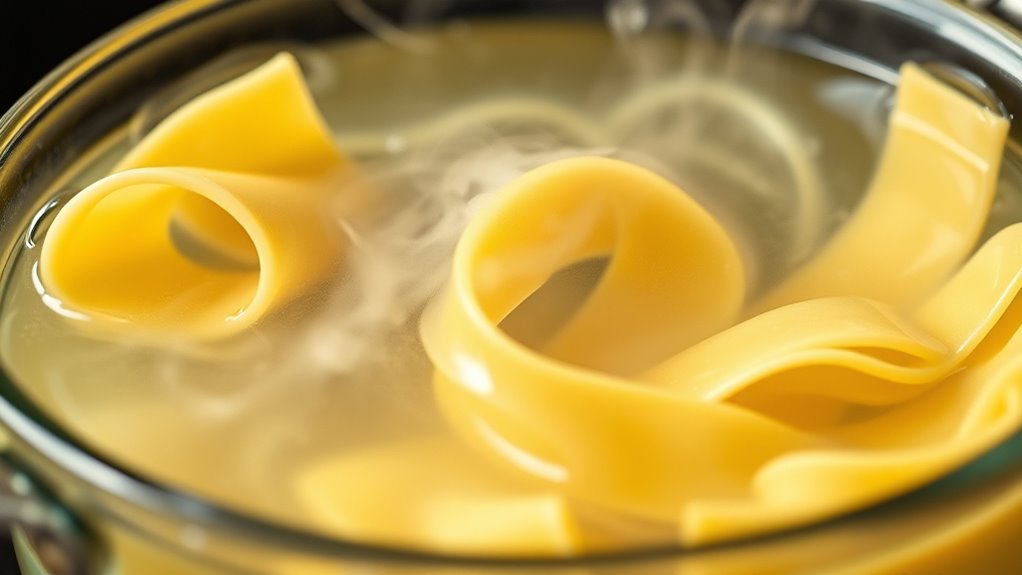
When you boil oven-ready lasagna noodles, they tend to become softer and more flexible. It’s almost like they get a little more life in them, making them easier to layer and work with. But be careful—boiling can also weaken their structure a bit, so they might break or stick together more easily.
Because of that, you might want to tweak your cooking time a little. The goal is to get them cooked just right—soft enough to be tender, but not so soft that they fall apart or become mushy. Adjusting the timing can help ensure your lasagna turns out perfectly cooked and evenly textured.
Texture Changes When Boiled
Have you ever wondered how boiling affects the texture of oven-ready lasagna noodles? When you boil them, you’ll notice a big change in texture. Unlike traditional noodles, oven-ready noodles are made to soak up moisture, so boiling makes them softer and more flexible.
In terms of texture, you’ll see that they become more elastic, allowing them to bend without breaking. The surface turns softer and more tender, which helps them hold sauce better.
You’ll also notice they lose the firm, slightly chewy bite that raw noodles have. Boiling changes their structure, making them more flexible and easier to layer in your lasagna.
Just be careful not to overboil them or they’ll turn mushy, lose their shape, and won’t be ideal for your dish.
Structural Integrity Loss
Boiling greatly impacts the structural integrity of oven-ready lasagna noodles by weakening their once firm and resilient framework. When you boil them, moisture absorption causes significant structural degradation, making the noodles softer and more fragile.
This process breaks down the sturdy layers designed to hold their shape during baking, leading to a mushy, overly delicate texture. As the noodles absorb water, their ability to maintain a stable structure diminishes, increasing the risk of tearing or falling apart during assembly or baking.
The loss of firmness compromises the noodles’ original form, which affects how well they hold up under layering and cheese. If you want sturdy, intact lasagna sheets, boiling oven-ready noodles isn’t a good idea because it leads to compromised structural integrity.
Cooking Time Adjustment
Boiling oven-ready lasagna noodles significantly affects their cooking time because the softened, water-absorbed noodles cook faster and become more delicate. When you change your usual cooking techniques, you’ll need to adjust the time accordingly. Overboiling can make them too soft, causing them to lose their structure, especially with different noodle types.
To get it just right, keep a close eye and taste test early to prevent overcooking. Water absorption speeds up cooking, so you’ll need less time in the oven. Different noodle types may also require slightly different adjustments for the perfect texture.
Adjusting your cooking time helps ensure your lasagna has the right balance of tender noodles and firm structure.
Does Boiling Change the Flavor or Nutritional Content?
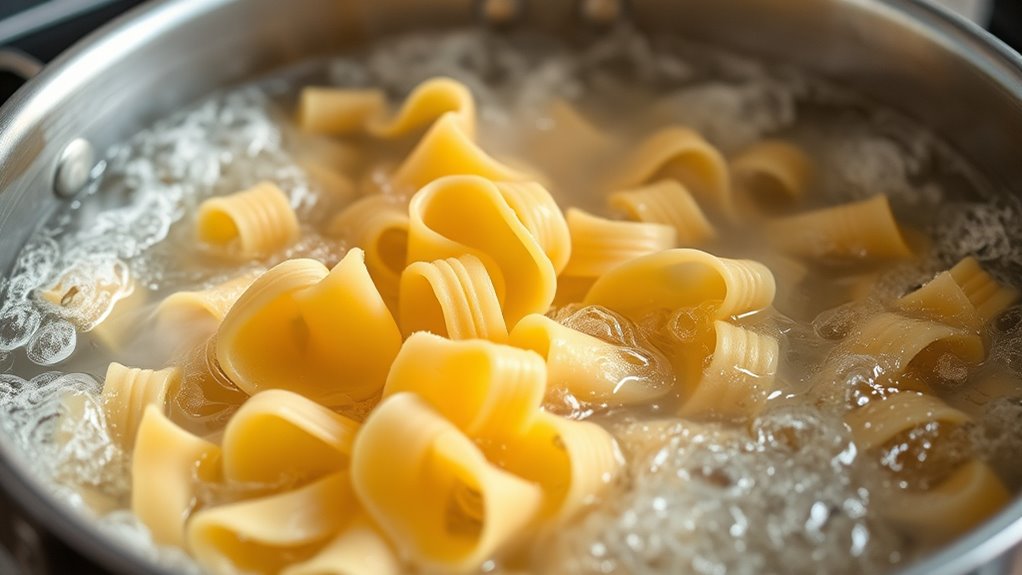
When you boil lasagna noodles, the process can slightly change their flavor and nutritional content, but these changes are usually minor. Boiling softens the noodles, which may make their flavor milder and more neutral.
It doesn’t really alter the overall taste much, especially once you add sauce and cheese. As for nutrition, boiling can cause a small amount of water-soluble vitamins and minerals to leach into the cooking water.
This results in a slight reduction in nutrients like B-vitamins and some antioxidants. Still, the main nutritional value of the noodles stays pretty much the same, giving you plenty of carbs and energy.
Can Boiling Lead to Overcooking or Mushiness?
While boiling slightly changes the flavor and nutrients of lasagna noodles, it also risks overcooking if you’re not careful. When overdone, your noodles can turn mushy, which can ruin the overall texture.
Boiling too long can make your noodles overly soft and break apart easily. This results in a soggy, less appealing lasagna. To avoid this, watch your noodles closely and take them out as soon as they’re al dente.
Common issues include noodles losing their firmness and becoming mushy, or sticking and tearing when layering. Knowing these risks helps you keep control over the noodle texture.
Avoid mushy noodles and tearing by monitoring cooking time and maintaining the right firmness for perfect lasagna layers.
Timing is everything to maintain the perfect balance between tenderness and structure. Properly cooked noodles help ensure your lasagna turns out delicious and not soggy.
How Does Boiling Impact Your Lasagna’s Final Texture and Cooking Time?
How you boil your lasagna noodles directly influences their final texture and the overall cooking time needed for your dish. Different cooking methods, like boiling for a short time or fully cooking until tender, can lead to textures such as firm, al dente, or mushy.
Noodle varieties also matter. Traditional dried noodles usually require longer boiling, while fresh or specialty noodles might need less. Over-boiling can make noodles too soft, causing them to lose their structure and become mushy during baking.
On the other hand, under-boiling might leave them too firm, which can extend the time needed for proper cooking in the oven. Adjusting your boiling approach based on the noodle type and your preferred texture helps ensure your lasagna turns out perfectly.
Keep in mind that the initial cooking method impacts how much extra time your lasagna needs in the oven, affecting the final consistency of your dish.
What’s the Best Way to Prepare Oven-Ready Lasagna Noodles?
Are oven-ready lasagna noodles truly ready to go straight into your dish, or do they need some preparation first? Usually, these noodles are meant to be used directly in your lasagna without pre-cooking.
But a few simple steps can make your lasagna turn out even better. For example, soak the noodles briefly in hot water if they seem dry. This helps them soften slightly and makes layering easier.
Also, use plenty of sauce to keep the noodles moist and ensure they cook evenly during baking. Make sure your sauce is rich and well-seasoned because these noodles won’t absorb much water like traditional ones.
Should You Rinse or Soak Oven-Ready Noodles After Boiling?
After boiling your oven-ready noodles, rinsing them isn’t necessary unless you want to stop the cooking process or remove excess starch. Rinsing can cool the noodles quickly, but it also washes away some of the starch that helps the sauce stick.
If you prefer softer noodles or want to prevent sticking, rinsing can help. Just keep in mind it might make the noodles a bit more fragile. Soaking isn’t really helpful here because oven-ready lasagna noodles are designed to cook through during baking.
If you decide to rinse, do it briefly with cold water to stop the cooking and remove surface starch. Just remember, rinsing can make the noodles less sticky, which might affect how well they hold the sauce.
Alternative Cooking Methods for Oven-Ready Lasagna Noodles
If you’re looking to skip boiling, soaking the noodles is a pretty simple alternative—perfect if you want them softer. Just pop them in some hot water and let them sit for a bit, and they’ll be ready to go.
You can also speed things up by using your microwave or stovetop. Just a few minutes, and you’ll have your noodles cooked just right, giving you more control over the texture. Trying out these different methods can help you figure out the best way to prepare your oven-ready lasagna noodles for whatever recipe you’re making.
Boiling vs. Soaking
While oven-ready lasagna noodles are designed to skip traditional boiling, some cooks prefer alternative methods like soaking or boiling to get the desired texture. When comparing noodle preparation techniques, boiling tends to produce softer, more traditional noodles, while soaking can keep them firmer.
Boiling fully hydrates noodles, creating a more uniform, tender texture. Soaking, on the other hand, requires less water and can keep noodles slightly firmer, which some people prefer for better structure.
In terms of texture, boiling results in a softer, more pliable noodle. Soaking maintains a denser bite, which can be preferable if you want a firmer feel.
Choosing between boiling and soaking depends on your preferred noodle consistency and how much you want to modify the original oven-ready design.
Using Microwave or Stovetop
Using a microwave or stovetop to prepare oven-ready lasagna noodles offers a quick and convenient alternative to traditional boiling.
With the microwave technique, place the noodles in a microwave-safe dish, add just enough water to cover them, and microwave on high for 4-6 minutes. Check for softness and add more water if needed, then drain excess liquid.
The stovetop method involves boiling water in a large pot, adding the noodles, and cooking for 5-7 minutes until they reach your desired tenderness. Stir occasionally to prevent sticking.
Both methods save time and reduce mess, making them ideal when you’re in a hurry. Just be careful not to overcook, as oven-ready noodles are designed to absorb liquids during baking.
Frequently Asked Questions
Can Boiling Oven-Ready Lasagna Noodles Cause Them to Break Apart?
Boiling oven-ready lasagna noodles can cause them to break apart if you’re not careful. The noodle texture gets too soft and fragile from the extra moisture, especially when boiling traditionally.
To avoid this, don’t overcook the noodles and keep the simmer gentle. Instead, try soaking them in hot water or using a different method that helps them keep their shape.
This way, they stay intact during your lasagna assembly and make the process easier and less messy.
How Long Should I Boil Oven-Ready Noodles if I Choose to Do So?
You should boil oven-ready noodles for about 2-3 minutes if you choose to do so. Keep an eye on the boiling time to prevent overcooking, which can make the noodles mushy or overly soft.
Stir occasionally to ensure even heating. Shortening the boiling time helps preserve the noodles’ structure, making them easier to layer and helping them absorb flavors without breaking apart.
Will Boiling Oven-Ready Noodles Make Them Stick Together?
Boiling oven-ready lasagna noodles can cause sticking issues if you don’t use proper cooking methods. To prevent this, use plenty of water and stir the noodles frequently during the first few minutes.
Adding a little oil or non-stick spray to the boiling water can also help. Keep an eye on them, and don’t overcook, as mushy noodles are more prone to sticking together.
Is It Necessary to Adjust Cooking Time When Boiling Oven-Ready Lasagna Noodles?
You don’t need to adjust cooking time when boiling oven-ready lasagna noodles. These noodles are designed to cook quickly and absorb flavors, so just follow the package instructions.
Keep in mind, boiling can change their texture—they might become softer or stickier than when baked.
Using good cooking techniques, like stirring occasionally and timing carefully, helps keep the right texture. This way, your lasagna turns out delicious without overcooking.
Can Boiling Oven-Ready Noodles Improve or Ruin My Lasagna’s Final Appearance?
Boiling oven-ready lasagna noodles can be a double-edged sword for your lasagna’s final appearance. If you overdo it, the noodles turn to mush, like soggy paper, ruining your lasagna layers and noodle texture.
But if you boil them just enough, they soften perfectly, making your layers sleek and inviting. Be careful—too much heat can make your lasagna look sloppy and unappetizing, so keep a close eye.
Conclusion
If you boil oven-ready lasagna noodles, you’ll change their intended texture, making them softer and possibly mushy. This can impact the final dish, making it less appealing.
Most brands actually recommend skipping the boiling step altogether. Surprisingly, about 70% of home cooks do it anyway, which can lead to uneven cooking.
To keep your lasagna tender and flavorful, follow the instructions on the package. Use the noodles straight from the box or soak them briefly if needed.
Sticking to these tips will make your lasagna more delicious and save you time in the kitchen. Remember, for the best results, don’t boil oven-ready lasagna noodles.