What Causes the Kitchen Sink to Smell Like Rotten Eggs?
Dealing with a kitchen sink that smells like rotten eggs can be incredibly frustrating. Many people struggle with this unpleasant odor, and you’re not alone in facing it.
Fortunately, understanding what causes the smell can help you find effective solutions.
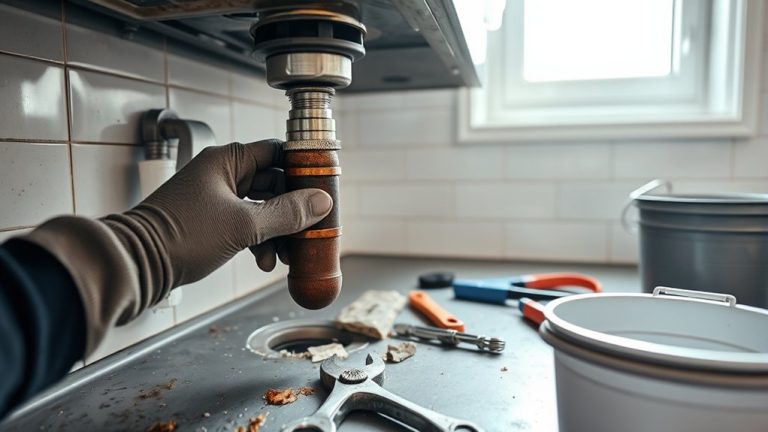
If your kitchen sink smells like rotten eggs, it’s usually caused by bacteria feeding on trapped organic debris and the production of sulfur gases like hydrogen sulfide.
This often happens when the P-trap dries out or there’s buildup of grease, food particles, or sewage in the pipes.
Poor plumbing maintenance, clogs, and sewer issues can also contribute to the odor.
To find out more ways to fix the smell, keep exploring what’s behind these common problems.
Key Takeaways
- Bacterial activity in the drain produces sulfur gases like hydrogen sulfide, which causes the rotten egg smell.
- Dry or faulty P-traps let sewer gases escape into your sink area, leading to odors.
- Organic buildup, food debris, and grease in pipes promote bacterial growth and bad smells.
- Sewer line problems like blockages or leaks can emit foul, sewage-like odors.
- Poor venting or plumbing design can trap gases, causing that persistent rotten egg smell.
Why Does My Kitchen Sink Smell Like Rotten Eggs?
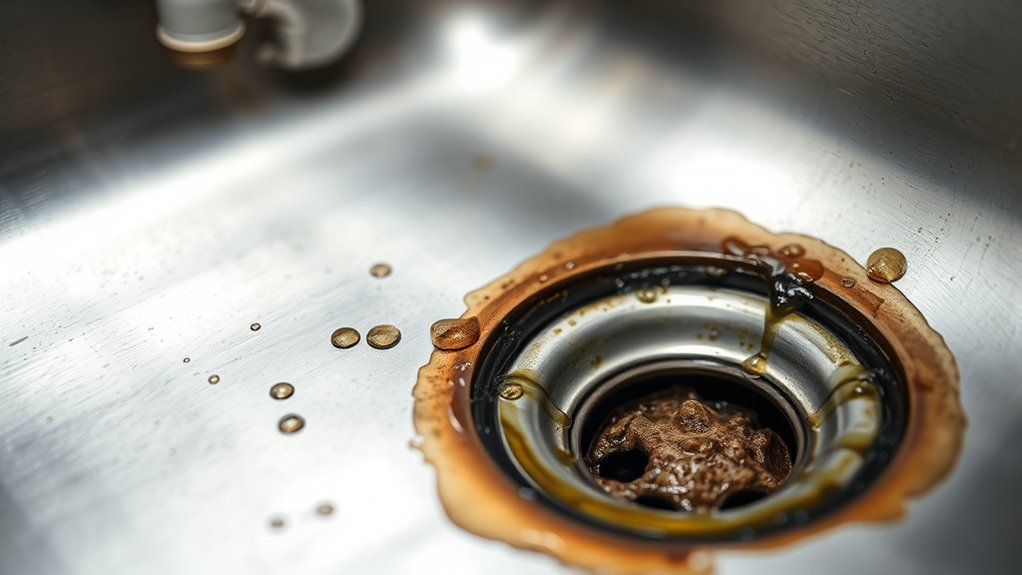
Have you ever noticed a foul, rotten egg smell coming from your kitchen sink? This often traces back to the history of plumbing. In old-fashioned plumbing systems, waste and water flow through pipes designed centuries ago, which can lead to build-up and odors over time.
The sulfur-like smell usually results from bacteria thriving in the drain or trap, feeding on organic matter. To combat this naturally, eco-friendly solutions like baking soda and vinegar are effective. These substances break down grime and neutralize odors without harsh chemicals, making them a sustainable choice.
Regularly flushing your drain with hot water and natural cleaners can prevent odors from forming. Understanding the history of plumbing helps you appreciate the importance of maintenance. Using eco-friendly solutions aligns with environmentally conscious practices, ensuring your kitchen remains fresh without harming the planet.
This approach keeps your sink smelling clean while respecting eco principles.
Common Causes of Sink Odors
What are the most common reasons your sink might develop unpleasant odors? Poor plumbing maintenance often causes debris and bacteria to build up, leading to foul smells. Also, if your kitchen isn’t well ventilated, moisture and odors can get trapped, making them linger longer. Clogs in the drain can trap food particles and organic matter, which over time produce bad odors. Sometimes, a dry P-trap allows sewer gases to escape, creating that rotten egg smell.
Here’s a quick overview:
| Cause | Effect | Solution |
|---|---|---|
| Clogged drain | Bacteria and debris build-up | Regular drain cleaning |
| Dry P-trap | Sewer gases escape | Keep traps filled with water |
| Poor kitchen ventilation | Moisture and odors stay trapped | Improve ventilation system |
| Lack of plumbing maintenance | Organic matter accumulates | Schedule routine plumbing checks |
Keeping your plumbing in good shape and ensuring proper ventilation are key to keeping your sink smelling fresh.
How Do Bacteria and Sulfur Compounds Make Your Sink Smell?
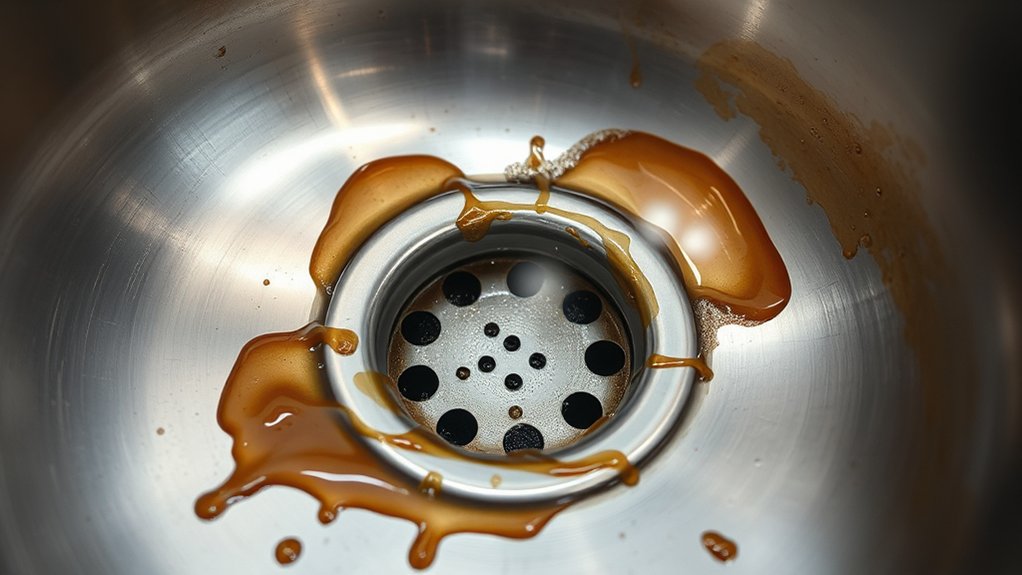
So, when bacteria start growing and breaking down stuff in your sink, they actually release gases that can smell pretty bad. It’s like those little microbes are throwing a stink party right under your nose!
And here’s the kicker—these microbes also produce sulfur compounds as a byproduct. That’s what gives the smell that unmistakable rotten egg scent. Not exactly the kind of aroma you want hanging around your kitchen!
Knowing how this whole process works can actually help you figure out ways to get rid of or cut down on that unpleasant odor.
Bacterial Growth and Decay
Bacteria thrive in the damp, dark environment of your kitchen sink, feeding on food particles and organic matter that get washed down the drain.
As they grow and decay, they produce sulfur compounds that cause that rotten egg smell. Here’s how it works:
- Bacteria multiply quickly in moist conditions, increasing their numbers.
- Decaying bacteria release gases, including sulfur compounds, which cause odors.
- Over time, these gases build up, making the smell worse.
- If you don’t clean regularly, bacteria can flourish, leading to poor odor prevention and environmental impact.
Sulfur Compound Formation
As bacteria break down organic matter in your drain, they produce sulfur compounds like hydrogen sulfide and methanethiol. These are what cause that distinct rotten egg smell.
These compounds form through sulfur chemistry processes, where bacteria convert sulfur-rich substances into foul-smelling gases. Hydrogen sulfide, in particular, is volatile and easily escapes into the air, creating that unmistakable odor.
To fight this, odor mitigation involves disrupting the bacteria’s ability to produce these sulfur compounds or removing the gases before they escape. Regularly flushing your drain with hot water, using enzyme-based cleaners, or applying a mixture of baking soda and vinegar can help break down organic buildup.
This reduces sulfur compound formation and keeps your sink smelling fresh.
Signs Your Sink Is Clogged or Blocked
A sink that drains slowly or backs up often is a clear sign your drain might be blocked. When your sink isn’t flowing smoothly, it can cause bad odors and plumbing problems.
Recognizing these signs early helps you take simple steps to fix the issue and prevent bigger problems down the line.
Spotting signs early allows quick fixes and prevents costly plumbing issues later.
Here are some common signs:
- Water pooling around the drain or draining slowly
- Gurgling sounds when you use the sink
- Frequent clogs that keep coming back
- Foul smells lingering even after cleaning
If you notice any of these signs, it’s time to clear the blockage. Regular maintenance, like avoiding greases and food debris, can help prevent future clogs.
Staying proactive with your plumbing keeps odors away and keeps your sink working properly. This can save you time and money in the long run.
How Food and Grease Cause Bad Odors in Your Drain
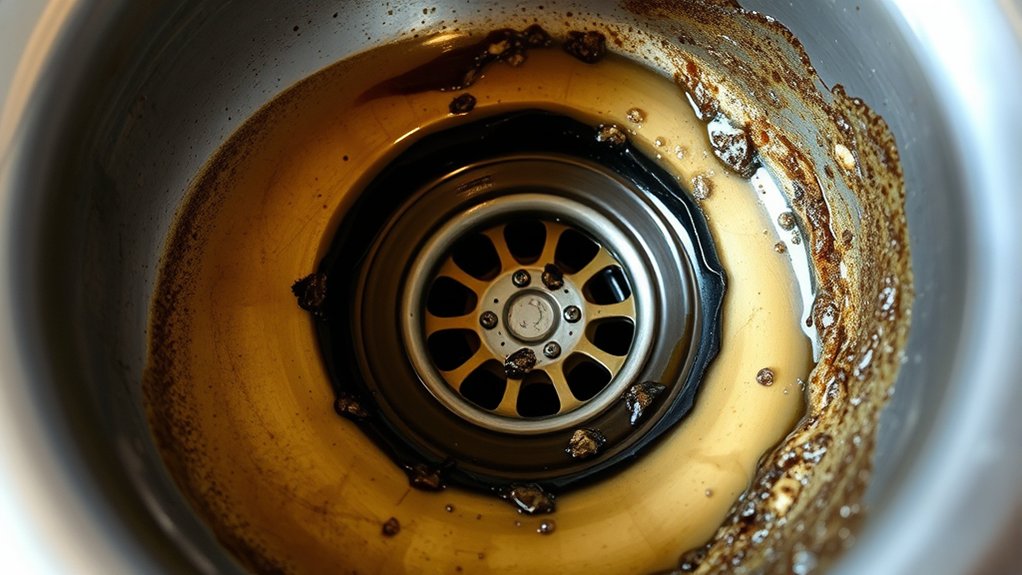
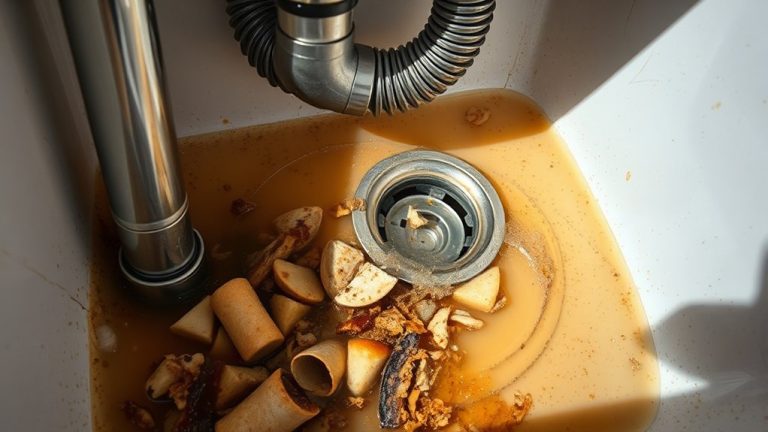
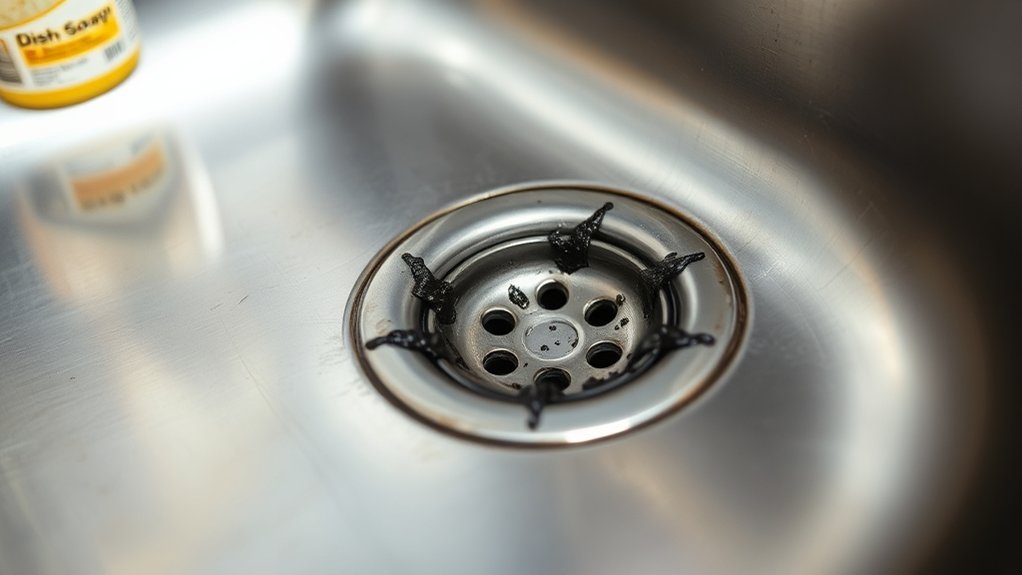
Food particles and grease often find their way into your drain. When they build up, they create the perfect environment for bad odors to develop.
As you use your sink, bits of food and greasy residues cling to the pipes, especially if your kitchen lacks proper drainage or venting. Over time, this buildup ferments and releases rotten egg smells.
Regular appliance maintenance helps prevent this, but neglecting it allows bacteria to thrive on the organic matter. Here’s a quick look at how food and grease contribute:
| Food Particles | Grease Build-Up |
|---|---|
| Decompose and produce foul odors | Solidifies and traps debris |
| Stick to pipe walls | Creates a sticky barrier for dirt |
| Encourage bacterial growth | Bacteria release smelly gases |
| Often overlooked during cleaning | Difficult to remove once hardened |
| Can cause slow drainage | Intensifies bad smells |
Keeping your drain clean and designing your kitchen properly can really help reduce these odor problems.
When Sewer Line Problems Lead to Sink Smells
When sewer line problems happen, they can cause nasty odors to come back into your sink, making it smell rotten or like sewage. These issues are often caused by blockages, leaks, or damaged pipes in your sewer system. Poor kitchen design can also play a role, especially if your sink is far from main drains or if venting isn’t adequate.
Neglecting appliance maintenance, like not cleaning your garbage disposal or trap, can build up gunk that makes odors worse. It’s important to watch for signs like a persistent sewage smell even when drains seem clear, slow draining water, backups, gurgling sounds, or water pooling around the sink base.
Fixing sewer line problems usually requires a pro to step in and prevent more damage. Regular kitchen design checks and maintenance can help keep your plumbing working smoothly and cut down on these unpleasant smells.
Why Standing Water Can Worsen Sink Odors
Standing water in your sink can significantly worsen odors because it creates a stagnant environment where bacteria and mold thrive, producing foul smells. When water sits, it becomes a breeding ground for bacteria that emit sulfur-like rotten egg odors, especially if not regularly drained or cleaned.
To fight this, using eco-friendly cleaning products helps remove buildup without harmful chemicals, which reduces odor-causing bacteria. Good kitchen ventilation is also important because airflow helps disperse lingering smells and prevents the environment from becoming overly humid, encouraging mold growth.
Leaving standing water unchecked allows bacteria to multiply, making the rotten egg smell worse over time. Regularly draining the sink and cleaning it with eco-friendly solutions can greatly cut down odors. Proper ventilation in your kitchen also helps odors dissipate faster, keeping your space fresh.
Addressing standing water quickly is key to preventing worsened smells and keeping your sink clean and odor-free.
DIY Ways to Remove Rotten Egg Smell From Your Sink
If your sink smells like rotten eggs, don’t worry—you can fix it with some easy DIY methods using common household supplies. These tips will help freshen up your space quickly.
First, pour boiling water down the drain to clear out any debris that could be causing the smell.
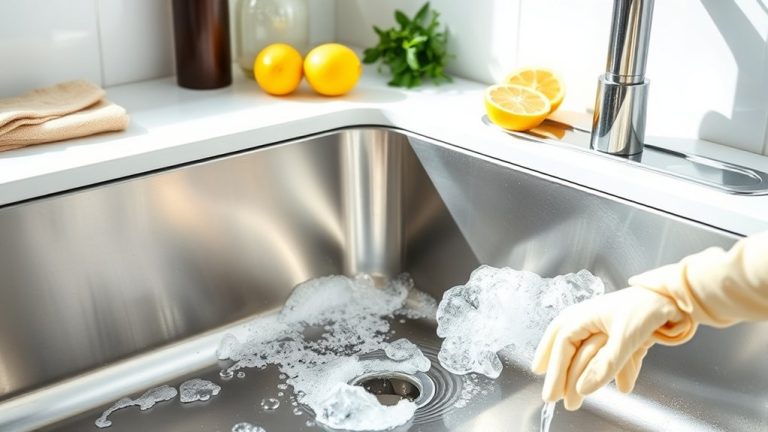
Next, mix baking soda and vinegar, then pour it into the drain. Let it fizz for a few minutes before rinsing with hot water.
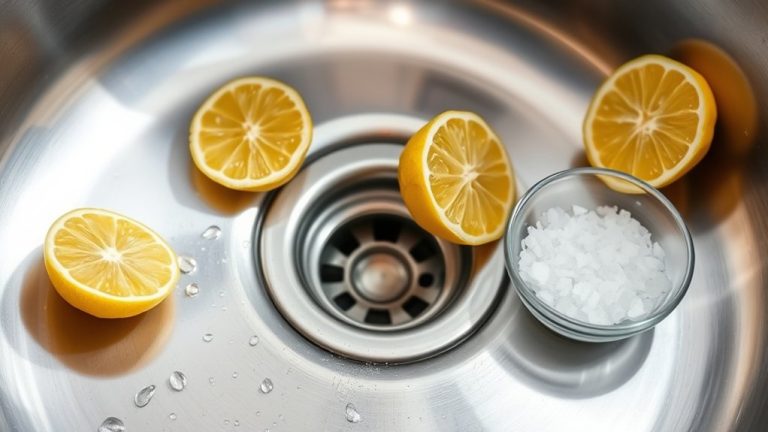
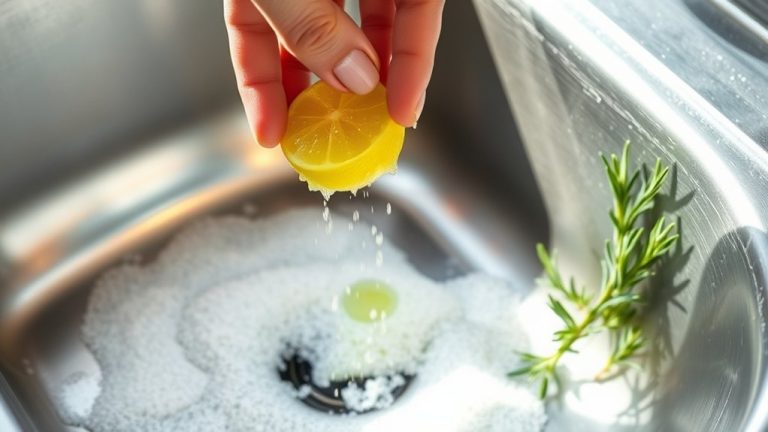
You can also use lemon juice or citrus peels to naturally deodorize. Drop citrus pieces into the drain or run lemon slices through the garbage disposal.
Finally, make it a habit to clean the sink and drain trap regularly with baking soda and vinegar to prevent odors from coming back.
These simple, inexpensive tricks will keep your sink smelling fresh and make your kitchen look and feel cleaner.
When to Call a Plumber for Persistent Sink Odors
If your sink still smells like rotten eggs even after you’ve given it a good clean, it might be time to call in a plumber. Sometimes, no matter how much you scrub, those stubborn odors stick around—probably because there’s something deeper going on.
Also, keep an ear out for weird sounds coming from your drain or if you’re dealing with frequent clogs. These little signs can point to bigger problems lurking below the surface that a professional needs to check out. So, don’t hesitate to reach out if things don’t improve—getting a plumber involved early can save you a lot of hassle down the line.
Persistent Odor Signs
Persistent sink odors that refuse to go away might mean there’s a bigger plumbing problem that needs a pro’s help. If you’ve already tried eco-friendly cleaning and improved ventilation without any luck, it’s probably time to call in a plumber.
Knowing the signs can save you from bigger issues down the road. Watch out for these clues:
- The smell sticks around even after cleaning and airing out.
- Your drain is slow or keeps backing up.
- The odor gets worse over time despite your efforts.
- The smell seems to come from deeper within the drain or pipes.
Persistent odors could mean there’s a blockage or contamination in your drain that needs professional inspection. Catching these signs early can help you avoid costly repairs and keep your kitchen smelling fresh and clean.
Unusual Drain Sounds
Unusual sounds coming from your drain, like gurgling, bubbling, or banging, often point to plumbing issues that can cause unpleasant odors. These noises usually mean there’s a venting problem or a partial blockage in your drain system.
When your sink makes strange sounds, it’s a sign that trapped air or sewer gases aren’t venting properly, which can lead to foul smells like rotten eggs. Regular kitchen cleaning won’t fix these issues, so it’s time to check your ventilation or call a plumber.
Ignoring these sounds can make the problem worse and result in more unpleasant odors. Addressing the root cause quickly can prevent further damage and keep your kitchen smelling fresh. If the sounds keep happening, getting professional help is your best option.
Frequent Blockages Occur
When your sink keeps giving off a rotten egg smell even after cleaning, frequent blockages might be the issue. Over time, debris and grease can build up, leading to clogs that trap bacteria and cause odors.
If eco-friendly cleaning and regular drain maintenance don’t do the trick, it’s probably time to call in a plumber. Watch out for signs like hair or food debris regularly clogging the drain, slow-draining water despite cleaning efforts, persistent bad smells, or recurring blockages despite using eco-friendly solutions.
Frequent blockages often point to deeper problems, like damaged pipes or stubborn build-up. A professional can help fix these issues before they lead to more odors or bigger plumbing headaches.
Tips to Prevent Future Smells in Your Kitchen Sink
To keep your kitchen sink smelling fresh, regular maintenance is key. Start by thoroughly cleaning your drain with a mixture of baking soda and vinegar once a month. It helps break down buildup and neutralize odors.
Make sure your sink’s trap is clear and free of debris. Periodic flushing with hot water also prevents stagnation. Good appliance maintenance is essential—check for leaks or clogs in your garbage disposal and pipes regularly.
Keep the area around your sink tidy and dry. This discourages mold and bacteria growth. Using drain covers can catch food scraps and prevent blockages.
Avoid pouring grease or fatty liquids down the drain, as these solidify and cause odors over time. Finally, consider adding a fresh scent or citrus peel to your disposal to mask lingering smells.
Consistent upkeep and mindful habits ensure your sink stays odor-free and your kitchen remains inviting.
Frequently Asked Questions
Can Using Chemical Drain Cleaners Worsen the Smell?
Yes, using chemical drain cleaners can make the smell worse. These cleaners often cause chemical reactions that produce bad gases, especially if they sit too long or don’t fully clear out clogs.
Over time, they can damage your pipes and make it harder to maintain your drains. Instead, try natural methods or enzyme-based cleaners. These break down organic matter safely and help eliminate odors without harmful reactions.
How Long Does It Take for Bacteria to Produce Sulfur Odors?
Bacterial growth begins quickly, often within 24 to 48 hours, and causes sulfur odors to develop.
As bacteria feed on organic matter in your drain, they produce hydrogen sulfide gas, which results in that rotten egg smell.
The time it takes for these odors to emerge depends on the amount of debris and moisture present.
Regular cleaning and maintenance can slow bacterial growth and prevent unpleasant odors from forming.
Are There Natural Remedies to Eliminate Rotten Egg Smells?
Yes, natural remedies can effectively eliminate rotten egg smells from your kitchen sink. You might try pouring a mixture of baking soda and vinegar down the drain. This reacts to break down odor-causing bacteria and sulfur compounds.
After that, pouring boiling water helps flush out any residues. You can also use lemon juice or citrus peels to freshen the smell naturally. They provide odor elimination without harsh chemicals.
Regular maintenance is key to keeping your sink smelling fresh.
Does the Type of Piping Affect Odor Formation?
Think of your pipes as the soul of your sink. Different materials can either help or hinder odor flow.
Pipe material impacts smell formation. For example, older metal pipes may corrode and trap debris, which can cause rotten egg odors.
Ventilation also matters. Poor venting lets gases linger and makes smells worse.
Choosing the right pipe material and ensuring proper ventilation can keep your sink smelling fresh and clean.
Can a Faulty Garbage Disposal Cause Sulfur Smells?
Yes, a faulty garbage disposal can cause sulfur smells. When it’s not working properly, it can lead to sulfur buildup from decomposing food or bacteria trapped inside.
This buildup releases a rotten egg odor, especially if you don’t clean the disposal regularly.
Cleaning your disposal with vinegar or baking soda can help eliminate these sulfur smells and prevent future odors.
Conclusion
A foul smell in your sink is like a warning sign blinking in the dark — it’s telling you something’s amiss below the surface.
Understanding the causes, staying vigilant, and tackling issues early can help you keep your kitchen smelling fresh and inviting.
Think of your drain as a garden; with regular care and attention, it stays healthy and odor-free.
Don’t let hidden problems grow — address them now before they turn into a stinky swamp, especially if your sink smells like rotten eggs.