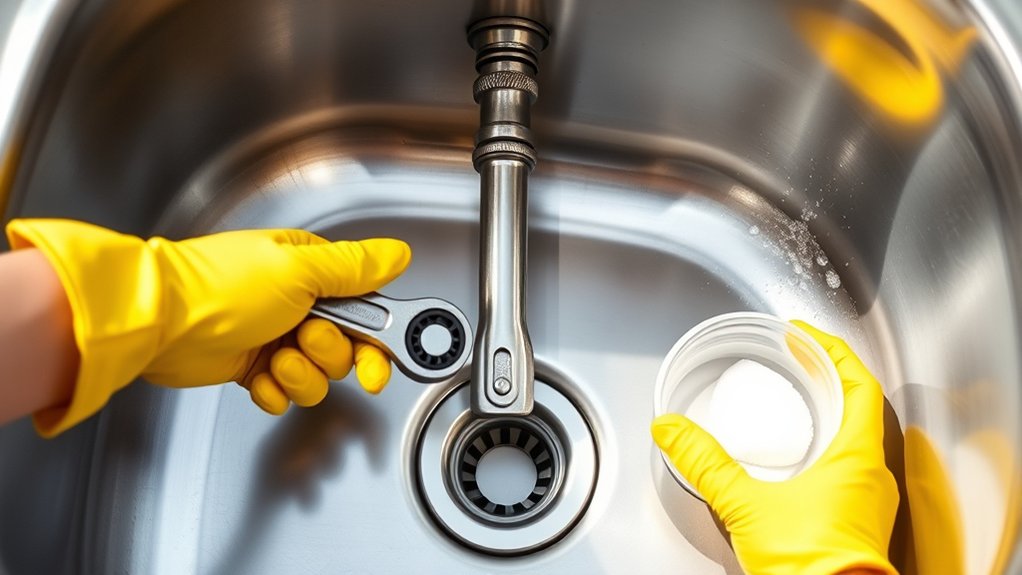
8 Simple Steps to Clean Your Kitchen Sink Drain Pipe
Dealing with a clogged or smelly kitchen sink drain pipe is a common frustration many people face. You’re not alone—these issues can disrupt your daily routine and make your kitchen less pleasant to use.
Luckily, keeping your drain clear and odor-free is easier than you might think.
Start by checking your drain for signs of slow flow or foul odors. Gather your tools like a plunger, wrench, gloves, and a bucket. Remove the drain trap to clear debris and inspect for damage.
Use natural options like baking soda and vinegar or commercial cleaners, following instructions carefully.
Flush with hot water or a vinegar-baking soda mixture to loosen grime. Regular maintenance prevents future clogs, so don’t neglect it.
If problems persist, you’ll know when it’s time to call a pro for help.
Key Takeaways
- Remove and clean the drain trap to clear out any trapped debris and check for damage.
- Use a plunger to dislodge minor clogs and help water flow more smoothly.
- Pour boiling water followed by baking soda and vinegar to break down grease and buildup.
- Use a drain snake or auger to clear stubborn blockages further down the pipe.
- Reassemble the trap, run hot water, and check for leaks or lingering odors.
How to Recognize If Your Kitchen Sink Drain Is Dirty
If your kitchen sink starts to drain slowly or gives off unpleasant odors, it’s a clear sign that the drain is dirty. You might notice water pooling or taking longer to go down, which points to buildup causing poor drainage.
Odor detection is also a good clue. You’ll probably smell a sour or rotten scent, indicating trapped debris and bacteria. These smells often get worse when you run hot water or leave the sink unused for a while.
A sour or rotten smell signals trapped debris and bacteria, especially worsened by hot water or inactivity.
Pay attention to how the water flows. Sluggish drainage suggests grease, food particles, or soap scum are clogging the pipes. If you see or smell these signs, it’s time to take action.
Recognizing these early warning signals helps prevent bigger plumbing issues later. Monitoring water flow and odors makes it easier to know when your drain needs cleaning.
This way, you can keep your sink fresh and functioning properly without surprises.
Gather Your Tools and Prepare for Cleaning
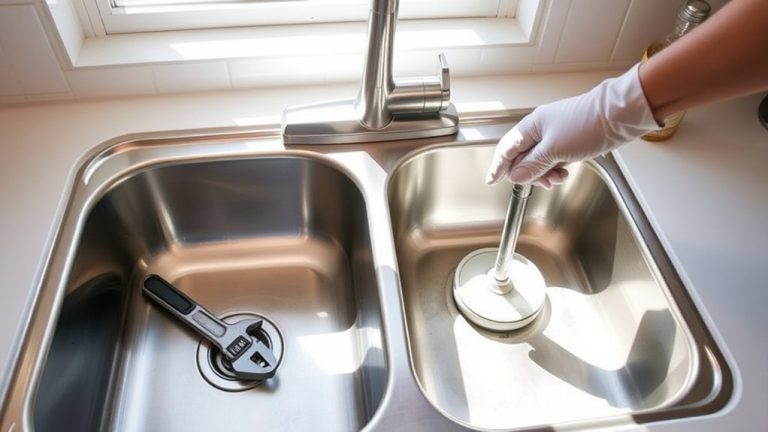
Before you start cleaning your kitchen sink drain, gather all the necessary tools and supplies to make the process smooth and efficient. Start with your tool selection: a plunger, adjustable wrench, gloves, a bucket, and a cleaning brush or old toothbrush. Having these ready prevents interruptions.
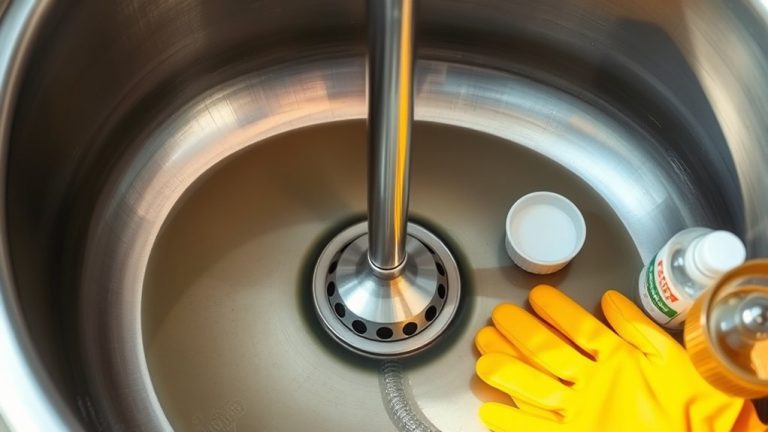
Safety precautions are important—wear gloves to protect your hands from grime and bacteria, and consider eye protection if you’re using harsh chemicals. Make sure your workspace is well-ventilated, especially if you plan to use commercial drain cleaners.
Double-check that you have all items within arm’s reach before beginning. This way, you won’t have to leave the area mid-clean. Taking these steps upfront saves time, reduces mess, and keeps you safe during the process.
Proper preparation ensures you can tackle the drain cleaning confidently and efficiently, with everything you need at hand.
Check and Clean the Drain Trap for Clogs
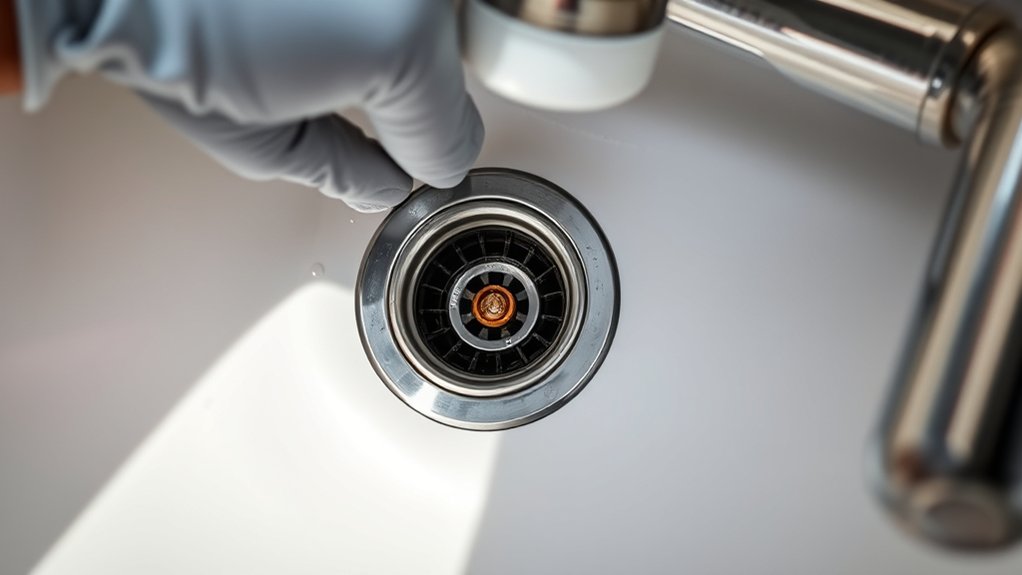
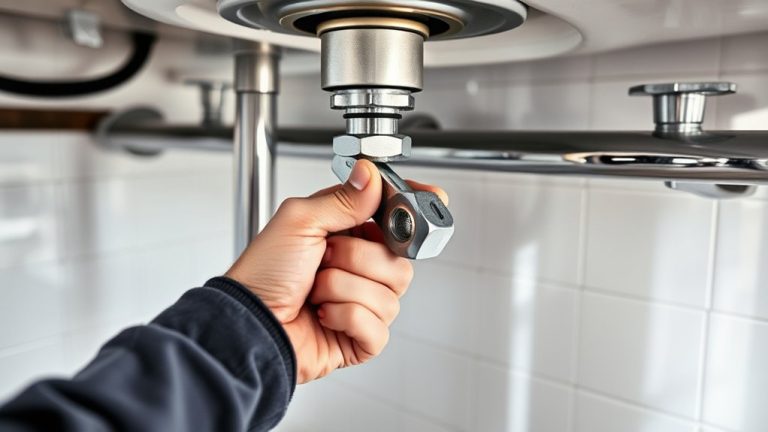
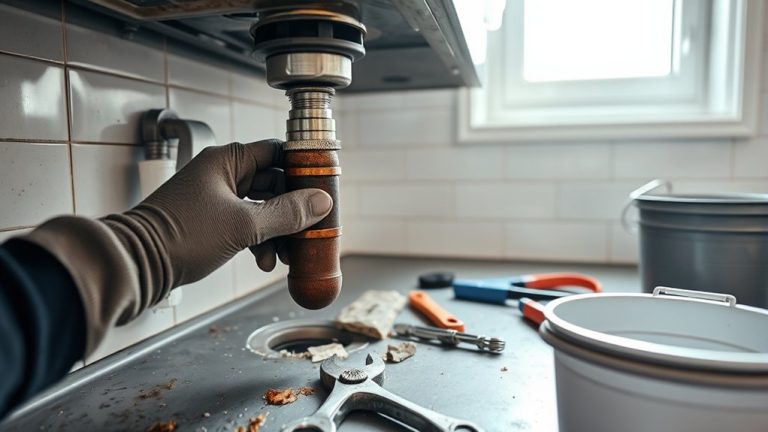
To effectively clear out stubborn clogs, start by inspecting and removing the drain trap, which often traps debris and grease. Checking the trap early helps you spot blockages before they get worse. You can remove it by loosening slip nuts or unscrewing it carefully. Be sure to place a bucket beneath the trap to catch water and debris as you work.
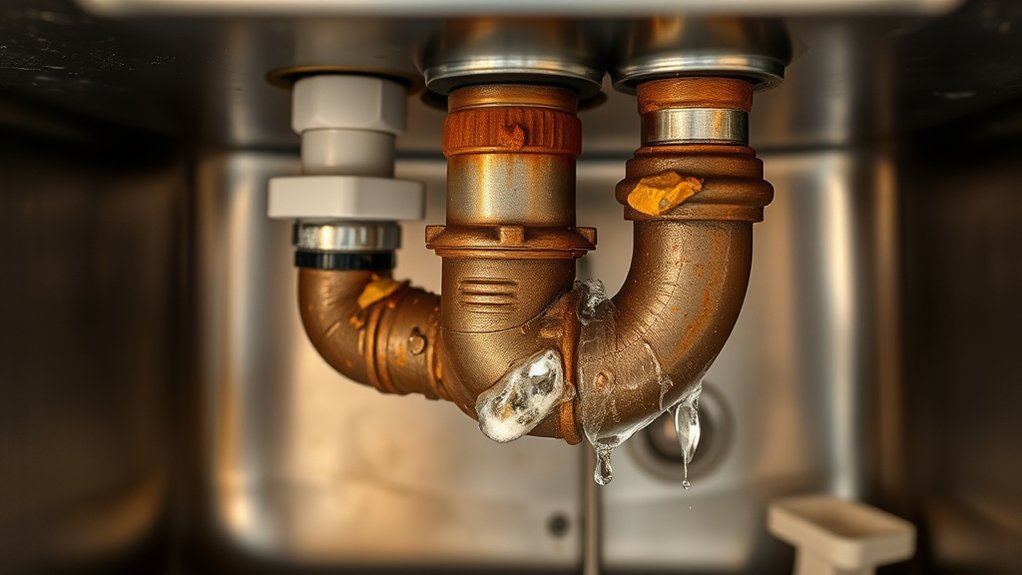
During inspection, look for things like trapped debris, grease buildup, hair, food scraps, mineral deposits, or standing water. You might also notice a rusted pipe, clogged debris, discolored or foul-smelling water, small leaks, or loose fittings. These visuals can guide you on what’s causing the clog.
Proper trap removal involves twisting and loosening fittings gently to avoid damage. Regularly inspecting and cleaning the trap can prevent future clogs and keep your drain flowing smoothly.
What Are the Best Natural and Commercial Drain Cleaners?
When choosing a drain cleaner, you’ll find options ranging from natural remedies to commercial products, each with its own advantages. Natural solutions like baking soda and vinegar are popular because they create chemical reactions that break down grease and organic buildup without harmful chemicals. These eco-friendly solutions are safe for your pipes and the environment, making them a great first choice.
Commercial drain cleaners often contain strong chemicals designed to dissolve stubborn clogs quickly, but they can be harsh and harmful if not used carefully. Look for eco-conscious brands that prioritize environmentally safe ingredients, reducing the risk of damage to your plumbing and ecosystems.
Both natural and commercial options can be effective, but your choice depends on the severity of the clog and your preference for eco-friendliness. Always follow instructions carefully to guarantee safety and the best results, whether you opt for a gentle remedy or a powerful commercial product.
How to Flush Your Drain With Hot Water, Vinegar, and Baking Soda
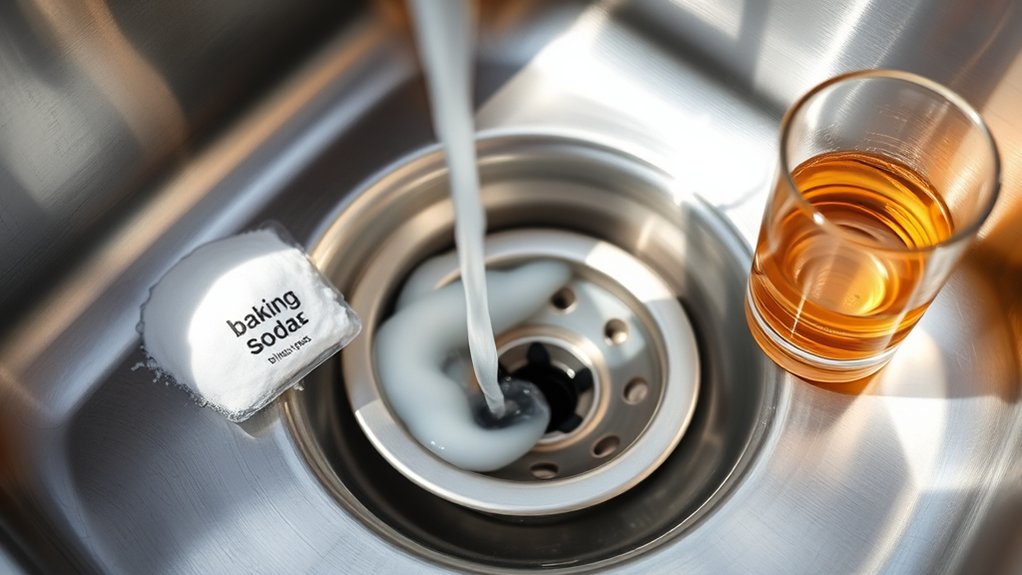
Using hot water, vinegar, and baking soda is a simple way to clear minor clogs and keep your drain flowing smoothly. This method works well with most pipes, including PVC and metal, without causing any damage.
Start by pouring boiling water directly into the drain to loosen up any debris. Then, sprinkle half a cup of baking soda down the drain, followed by a cup of vinegar. Expect it to fizz—that’s the buildup breaking apart.
Wait about 15 minutes to let the mixture work its magic. After that, flush the drain with another pot of hot water to wash away any loosened grime.
Doing this once a month can help prevent minor clogs and extend the life of your pipes. It’s an eco-friendly, cost-effective way to keep your drain clear without harsh chemicals.
How to Maintain Your Kitchen Sink Drain and Prevent Clogs
To keep your sink drain flowing smoothly, it’s a good idea to stick to regular cleaning routines. And hey, try not to dump grease or food scraps straight down the drain—that stuff can really cause problems over time.
Using strainers and being mindful about waste disposal can go a long way in preventing clogs before they even happen. If you stay consistent with these habits, you’ll save yourself time and the headache of messy backups.
Regular Cleaning Practices
Regular cleaning is essential to keep your kitchen sink drain working smoothly and to prevent stubborn clogs. After heavy use, rinse the drain with hot water to wash away food particles and grease.
Once a month, use a mixture of baking soda and vinegar to break down buildup and keep your plumbing odor-free. Keep your kitchen tidy by removing debris around the sink, which helps prevent loose particles from entering the drain.
Avoid pouring fats, oils, or coffee grounds down the drain, as they can solidify and cause blockages. Check and tighten plumbing fixtures regularly to prevent leaks and ensure proper drainage.
Staying proactive with these simple habits helps keep your sink efficient and extends the life of your plumbing system.
Proper Waste Disposal
Proper waste disposal is key to keeping your kitchen sink drain clear and working smoothly. Start by sorting your waste effectively—separating food scraps, plastics, and recyclables from general trash.
Remember to rinse containers before recycling to prevent residues that can clog your pipes. Never pour fats, oils, and grease down the drain. Instead, collect them in a container for proper disposal.
Composting food scraps when you can helps reduce waste and keeps your drain from getting clogged. Also, make sure to empty trash bins regularly to prevent overflow and spills near the sink.
Preventive Maintenance Tips
Maintaining your kitchen sink drain is key to preventing clogs before they start. Try to avoid putting grease or food scraps down the drain to keep it clear.
Scheduling regular plumbing inspections can help catch problems early and prevent costly repairs. Using a drain cover to catch debris and cleaning it weekly is also a good idea.
Avoid pouring harsh chemicals down the drain, as they can damage your pipes over time. Practicing good kitchen hygiene and routine maintenance keeps everything running smoothly.
| Tip | Benefit |
|---|---|
| Use drain covers | Prevents debris buildup |
| Schedule plumbing inspections | Detects issues early |
| Practice good kitchen hygiene | Reduces clog risk |
Troubleshooting Persistent Odors and Clogs
Persistent odors and stubborn clogs can often point to deeper issues inside your drain pipe that simple cleaning might not fix. If odors stick around even after regular cleaning, it’s time to troubleshoot.
Start by checking your odor prevention techniques, like running hot water and using baking soda and vinegar regularly. These help neutralize smells and reduce buildup.
If the smell still lingers, pipe corrosion might be the culprit. Corrosion can weaken the pipe and trap debris, causing both clogs and bad odors. Inspect the drain for signs of damage or corrosion, and consider replacing any severely corroded sections.
Also, make sure your drain isn’t clogged with grease, hair, or food particles. These can trap odors and block water flow. Using a plunger or drain snake can help dislodge stubborn blockages.
Regular maintenance combined with these troubleshooting steps can keep your drain smelling fresh and flowing smoothly. This way, minor issues don’t turn into major repairs.
When to Call a Plumber for Drain Repairs
Knowing when to call a plumber is essential, especially if you’ve tried troubleshooting and cleaning your drain without success. If your sink still drains slowly or water pressure remains low despite clearing out debris, it may indicate pipe corrosion or other internal damage.
Corrosion weakens pipes, leading to leaks or blockages that simple cleaning can’t fix. A sudden drop in water pressure could also signal a deeper issue within your drain system.
If you notice persistent foul odors, recurring clogs, or if your efforts haven’t improved drainage after a few attempts, it’s time to get professional help. Ignoring these signs can cause further damage and increase repair costs.
Calling a plumber early ensures proper diagnosis and prevents minor issues from escalating. They have the tools and expertise to assess pipe integrity, address corrosion, and restore ideal water flow—saving you time, money, and future headaches.
Frequently Asked Questions
How Often Should I Clean My Kitchen Sink Drain?
You should clean your kitchen sink drain at least once every three to four months to keep it working well. Regular cleaning helps prevent the buildup of grease, food particles, and debris that can cause clogs and bad odors.
If you notice your drain is slow or smells bad, try cleaning it more often. Staying consistent with this routine keeps your drain clear, odor-free, and functioning properly.
Doing this regularly can save you from costly repairs or nasty backups down the line. It’s a simple step that makes a big difference in your kitchen’s cleanliness and function.
Can I Use Household Bleach to Clean the Drain?
Don’t throw caution to the wind when using household bleach to clean your drain. While it might seem like a quick fix, safety is key—too much bleach can damage your pipes and harm your skin.
Instead, think about chemical alternatives like baking soda and vinegar. They’re gentler but still get the job done effectively.
Always dilute bleach properly if you decide to use it and avoid using it too often. This helps keep your plumbing in good shape and prevents potential damage.
What Are Signs of a Severely Clogged Drain?
You’ll notice signs of a severely clogged drain when water drains slowly or backs up. Unpleasant odors and gurgling sounds also indicate a blockage.
To prevent clogs, practice regular drain inspection and avoid pouring grease or debris down the drain.
If these signs appear, tackle the problem early with proper clog prevention methods. Addressing issues promptly helps keep your pipes flowing smoothly and avoids costly repairs.
Are There Eco-Friendly Drain Cleaning Options?
Absolutely, you can choose eco-friendly drain cleaning options like biodegradable solutions and natural remedies.
Think of baking soda combined with vinegar—an age-old remedy that still works today. These methods are safe for your pipes and good for the environment, avoiding harsh chemicals.
They can clear minor clogs and help keep your drains healthy. Plus, they’re budget-friendly and easy to use, making eco-conscious choices simple and effective.
How Long Does a Typical Drain Cleaning Process Take?
A typical drain cleaning process takes about 30 minutes to an hour. You might use a drain snake to manually remove debris, which takes around 15-30 minutes.
Alternatively, enzymatic cleaners work over several hours or overnight to break down buildup naturally. The exact time varies depending on how severe the clog is.
Using both methods efficiently can help your drain clear faster, keeping your kitchen sink functioning smoothly.
Conclusion
Keeping your kitchen sink drain clean might seem like a hassle, but with these simple steps, it becomes manageable and even satisfying. Imagine running your tap and knowing that every drop flows freely, preventing stubborn odors and costly repairs.
Regular maintenance not only keeps your kitchen fresh but also saves you time and money in the long run. So, grab your tools and start cleaning. Your sink will thank you with every smooth, odor-free drain.