What Happens If Wax Paper Goes in the Oven?
Many home cooks have faced the frustration of accidentally using the wrong materials in the oven. It’s a common mistake that can lead to messy, unsafe situations. If you’ve ever wondered what happens if wax paper goes in the oven, you’re not alone.
What Happens If Wax Paper Goes in the Oven?
If you accidentally put wax paper in the oven, it can melt, catch fire, or produce smoke, creating serious safety hazards.
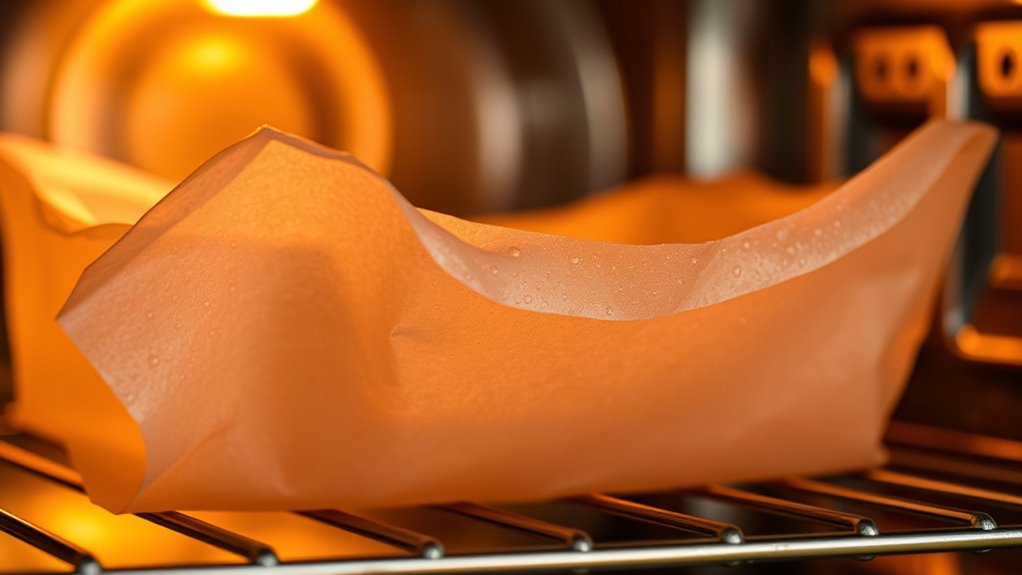
The wax coating softens and liquefies, making the paper sticky and greasy, which can ignite and cause a kitchen fire.
Smoke and fumes may also damage your oven or harm your health.
To prevent accidents, it’s best to use oven-safe alternatives. Keep going to learn important safety tips and better options for baking.
Key Takeaways
Wax paper melts at low temperatures, which can leave sticky residue and damage your oven surfaces.
When exposed to high heat, the wax liquefies, creating smoke and unpleasant fumes.
It’s also highly flammable and can catch fire, leading to kitchen fires.
Melting wax releases harmful chemicals and produces dangerous smoke.
Using wax paper in the oven significantly increases fire risks and safety hazards.
Why Using Wax Paper in the Oven Is Not Safe
Although wax paper is handy in the kitchen, using it in the oven is dangerous because it’s not designed to withstand high temperatures. Wax paper contains a coating of paraffin wax, which can melt or ignite when exposed to heat, creating a fire risk.
Instead of risking accidents, you should look for wax paper alternatives like parchment paper or silicone baking mats. These are safe for oven use and can handle higher temperatures. They also help prevent sticking without the danger of catching fire.
Following safe baking practices guarantees your food cooks properly while avoiding potential hazards. Remember, wax paper is ideal for tasks like wrapping or lining for cold storage, but it’s not suitable for oven baking.
Always check product labels and use materials designed for high heat to keep your kitchen safe and your baking successful.
What Happens When Wax Paper Is Exposed to Heat
When wax paper is exposed to heat, the paraffin wax coating starts to melt. This can lead to dangerous situations because the melting weakens its heat resistance and might cause the paper to catch fire or smolder unexpectedly. Many people think it’s safe for quick oven use, but that’s not the case.
Wax paper isn’t built to handle high temperatures. Its low heat resistance means it can melt at typical baking temperatures, creating a fire hazard if the wax ignites. Plus, as it melts, it can produce smoke and release harmful fumes.
Once the wax melts, it leaves behind a sticky residue that can affect your food and damage your oven surfaces. Using wax paper in the oven increases the risk of fire, smoke damage, and safety issues. Knowing what happens when wax paper is heated helps you make smarter, safer choices in the kitchen.
How Wax Paper Melts, Smokes, and Creates Hazards
As wax paper heats up, the thin paraffin wax coating quickly begins to melt and break apart, causing the paper to become slick and sticky. During this process, the wax releases fumes that can be irritating. If heated too long, the paper may smoke or catch fire. Recognizing these hazards is key to staying safe in your kitchen.
| Aspect | What Happens | Safety Tip |
|---|---|---|
| Melting process | Wax softens and liquefies | Keep heat low and watch closely |
| Smoke production | Fumes may be released as wax burns or melts | Ventilate the area; don’t overheat |
| Fire risk | Wax can ignite if exposed to high temperatures | Never leave wax paper unattended in the oven |
| Toxic fumes | Melting wax releases potentially harmful fumes | Use in well-ventilated spaces |
| Material deterioration | Paper becomes sticky and weak | Remove before overheating or burning |
Knowing these hazards helps you stay safe and avoid accidents or unnecessary risks in the kitchen.
Fire and Smoke Risks of Wax Paper in Baking
When you’re using wax paper in the oven, it’s important to be aware that it can catch fire, especially if the temperature gets too high. You might not think about it, but wax paper isn’t really designed for baking at high heat, so it’s best to avoid putting it in the oven altogether.
Plus, when wax paper overheats, it can start to produce smoke. That smoke isn’t just annoying—it can also be a fire hazard, and it might even set off your smoke alarm. To keep things safe, it’s a good idea to stick with baking parchment or other oven-safe materials that won’t pose these risks.
Flammability Concerns Increase
Using wax paper in the oven can pose significant fire and smoke risks because it’s highly flammable at baking temperatures. This makes it unsafe to use as a baking surface. To understand the danger, consider these points:
- Wax coating melts at high heat, increasing fire potential.
- Paper can ignite quickly if exposed to direct heat.
- Smoke production can be intense and hazardous.
- Overheated wax paper releases harmful fumes.
- Ignition can spread to other parts of your oven.
To minimize these risks, always follow safety measures like avoiding oven use and keeping wax paper away from direct heat. Recognizing the flammability risk helps prevent accidents and keeps you safe in the kitchen.
Smoke Production Risks
Even if you’re careful to avoid igniting wax paper, it can still produce smoke, which is a serious concern. When exposed to oven heat, wax paper may start to smoke, releasing fumes that aren’t safe to breathe.
The smoke might contain chemicals from the wax coating, posing health risks if inhaled repeatedly or in large amounts. Plus, this smoke can set off smoke alarms, causing unnecessary panic or a messy cleanup.
Even without catching fire, the smoke can stain oven surfaces and leave lingering odors. It’s best to avoid using wax paper in the oven altogether to stay safe.
Instead, go for oven-safe options like parchment paper. It won’t produce harmful smoke or fumes during baking, making it a much safer choice.
How to Recognize Burned or Melting Wax Paper
How can you tell if your wax paper has burned or started to melt? You’ll notice certain visual cues that indicate melting or burning. The paper may become transparent or develop a shiny, greasy surface.
Look for transparency, shiny patches, or a greasy surface to spot melted or burning wax paper.
You might see dark edges or spots, which signal burning. A strong, unpleasant smell can also alert you that the wax paper is overheating.
Here are some signs to watch for:
- Translucent or greasy patches on the paper
- Darkened, charred edges or spots
- Warping or curling of the paper
- Smoke or a burning smell coming from the oven
- Visible melting or dripping wax
Recognizing these signs early helps prevent further damage or fire hazards. If you notice any of these indicators, remove the wax paper immediately and avoid using it in future baking or roasting.
Best Alternatives to Wax Paper for Baking and Roasting
In baking and roasting, there are several good alternatives to wax paper that help you get great results without worrying about melting or burning. Parchment paper is a popular pick, offering a nonstick surface perfect for cookies and roasted veggies.
Aluminum foil is versatile too, great for wrapping foods or lining baking sheets for easy cleanup. Silicone mats are durable, reusable liners that create a nonstick surface for cookies, bread, or pastries.
You can also use baking sheets with a light coat of cooking spray to prevent sticking. Food-safe wraps or reusable liners are eco-friendly options for storing leftovers or lining pans. These alternatives ensure safe, efficient cooking without the risks associated with wax paper in the oven.
Top Mistakes to Avoid When Using Wax Paper
A common mistake people make is using wax paper directly in the oven. It might seem convenient, but it’s actually dangerous because wax paper isn’t designed to handle high heat. If you put it in the oven, it can melt or even catch fire, which is definitely something you want to avoid.
Also, many forget to check the heat limitations of wax paper. Since it’s coated with a thin layer of wax, it doesn’t really tolerate high temperatures. So, it’s best to steer clear of using it for baking or roasting at high heat. Instead, consider safer alternatives like parchment paper or silicone baking mats—they’re more suited for oven use and will help prevent any mishaps.
Using Wax Paper in Oven
One of the biggest mistakes people make when using wax paper in the oven is assuming it’s heat-safe for all baking tasks. Wax paper isn’t designed to handle high temperatures, so using it improperly can cause melting or even fires.
To stay safe, never use wax paper for roasting or baking above 350°F. Instead, opt for alternatives like parchment paper or silicone baking mats, which are made to withstand oven heat.
Common mistakes include using wax paper to line baking sheets at high heat, relying on it for roasting vegetables, ignoring manufacturer’s heat warnings, forgetting about its melting point, or overestimating how much heat it can tolerate.
Always choose the right surface to prevent accidents and protect your cookware.
Ignoring Heat Limitations
Ignoring the heat limitations of wax paper is a common mistake that can lead to dangerous situations in the kitchen. Wax paper isn’t designed to handle high temperatures, so exposing it to oven heat can cause problems.
The wax coating can melt or even catch fire, which increases the risk of kitchen fires. This can also damage your oven or other cookware, making things worse.
Remember, wax paper is meant for cold or low-heat uses like wrapping sandwiches or lining pans for no-bake recipes. It’s not suitable for baking or oven use.
Always respect its heat resistance to stay safe and avoid accidents. Never assume wax paper can handle oven temperatures.
Instead, use parchment paper or other heat-safe alternatives when cooking or baking at higher temperatures.
Overlooking Alternative Options
When you realize wax paper isn’t suitable for high-heat oven use, it’s easy to overlook how important it is to choose the right alternatives. Using the wrong baking materials can be dangerous or ruin your dishes.
Instead of relying on wax paper, try these safe options:
- Parchment paper
- Silicone baking mats
- Aluminum foil
- Ceramic or glass baking dishes
- Non-stick baking sheets
These materials are reliable and help prevent fire hazards or melting. Picking the right one makes your baking safer and more efficient. Always check the temperature limits for each option, and don’t assume wax paper can handle high heat.
Tips for Using Kitchen Wraps and Liners Safely
To use kitchen wraps and liners safely, always check the packaging for temperature guidelines and safe usage instructions. This helps you avoid risks like melting or catching fire.
When choosing liners, consider alternatives like silicone baking mats or parchment paper for high-heat cooking. These options are safer and more durable for oven use.
Here’s a quick guide to safe wrapping:
| Tip | Do’s | Don’ts |
|---|---|---|
| Check labels | Follow temperature limits | Use in oven if not specified |
| Use appropriate liners | Opt for silicone mats or parchment | Rely only on wax paper for high heat |
| Avoid direct flame | Keep liners away from open flames | Use in microwave only if safe |
Being aware of kitchen wrap safety and choosing the right liners keeps your cooking safe and efficient. Always prioritize safety to prevent accidents.
What to Do If You Accidentally Put Wax Paper in the Oven
Oops, if you accidentally put wax paper in the oven, don’t panic. The first thing you want to do is act quickly to remove it safely and prevent any bigger mess or damage. Keep an eye on your oven—see if you notice any signs of melting or smoke. If you do, turn off the oven right away and open the windows to ventilate the area. Once it’s cooled down a bit, clean up any residue or mess to keep things safe.
And hey, to avoid this kind of mix-up in the future, it’s a good idea to double-check whether you’re using parchment paper or wax paper. Remember, wax paper isn’t made for high heat, so keep it away from the oven or any hot surfaces. Just a little caution can save you from a lot of trouble!
Remove Immediately and Safely
Accidentally placing wax paper in the oven can cause it to quickly catch fire or smolder, so acting swiftly is crucial. Your priority is to remove the paper safely while minimizing risks.
Follow these immediate actions to guarantee safety:
- Turn off the oven immediately to stop the heat source.
- Keep the oven door closed to contain any flames or smoke.
- Use a fire extinguisher rated for oven fires if flames appear.
- If safe, carefully remove the wax paper with tongs or oven mitts.
- Ventilate the area by opening windows and turning on exhaust fans.
Always prioritize safety precautions and avoid panic. Quick, deliberate actions can prevent further damage and reduce hazards, keeping you and your home safe in this emergency situation.
Assess for Damage
Once you’ve removed the wax paper from the oven, carefully inspect the surrounding area to spot any signs of damage. Look for scorched or discolored surfaces, melted residue, or any heat exposure on nearby cookware or oven walls.
If the wax paper has burned or stuck to oven parts, it might have caused heat damage or left behind residue that needs cleaning. Check for unusual odors or smoke, which can signal excessive heat.
If you see any damage, don’t use the oven until it’s been properly cleaned and inspected. Making sure there’s no leftover residue or damage is key for safe future use. Addressing issues promptly helps keep your oven working well and prevents potential hazards.
Prevent Future Incidents
To prevent future incidents of placing wax paper in the oven, it’s helpful to know what to do if it happens again. Taking some simple steps can help you adopt safer habits and avoid damage or fire hazards.
Always double-check your recipe and ingredient list before baking. It’s easy to overlook, but catching mistakes early can save you trouble later.
Use parchment paper or silicone mats instead of wax paper for oven use. These are designed to handle higher temperatures safely.
Keep wax paper clearly labeled and stored away from heat sources. This way, you won’t accidentally grab it when you need baking supplies.
Learn the differences between oven-safe and non-oven-safe materials. Knowing what’s safe can prevent accidents before they happen.
Stay alert when preparing baked goods, especially if you’re multitasking. Paying attention helps you catch potential issues before they become problems.
Safety Tips for Handling Kitchen Wraps and Liners
Handling kitchen wraps and liners safely is key to preventing accidents and keeping your food clean. Always store your wraps properly so they don’t get damaged and are easy to grab when you need them.
Keep your wraps in a cool, dry spot away from heat sources. This helps prevent melting or warping, which can make them tricky to use. When using wraps like wax paper or plastic, check the labels to make sure they’re oven-safe. Never assume all wraps can go in the oven.
Use the right tools, like tongs or scissors, to handle wraps carefully without tearing or spilling. Be extra cautious when removing liners from their packaging to avoid cuts or tears.
Maintaining a clean, organized workspace is also part of good safety. It helps you find the right wrap quickly and reduces the risk of cross-contamination.
With proper storage and mindful handling, you can prevent mishaps and keep your kitchen safe while protecting your food.
Frequently Asked Questions
Can Wax Paper Be Used in a Microwave Safely?
Yes, wax paper can be used in a microwave safely because it’s microwave-safe for short periods. Just make sure to avoid high heat or prolonged exposure, as the wax coating might melt or ignite.
For safer options, consider parchment paper or silicone mats as wax paper alternatives. Always check the packaging for microwave safety instructions, and never use wax paper in a conventional oven to prevent any fire hazards.
How High Can Wax Paper Be Heated Before Melting?
Wax paper can typically withstand heat up to its melting point, which is around 300°F (150°C). Beyond this temperature, it loses its heat resistance and starts to melt or smoke.
You should avoid exposing wax paper to high temperatures in the oven because it can catch fire or release harmful fumes. To stay safe, use parchment paper for baking at higher temperatures since it has a higher heat resistance.
Does Wax Paper Release Harmful Chemicals When Heated?
Wax paper safety is a concern when heating, as it can release harmful chemicals if it burns or melts. When exposed to high heat, the wax coating may break down, releasing fumes that could be harmful to your health.
Heating can cause chemical exposure, smoke, or even fires. To stay safe, avoid using wax paper in the oven. Instead, choose parchment paper, which can handle higher temperatures safely.
Can Wax Paper Be Reused After Exposure to Heat?
After heat exposure, wax paper generally isn’t reusable because it can tear or lose its non-stick properties. The heat can cause the wax coating to melt or carbonize, making it less effective and potentially messy.
For safety and best results, it’s better to toss wax paper after it’s been exposed to high temperatures. Reusing it isn’t recommended since its durability is compromised and it could contaminate your food.
Is Wax Paper Suitable for Lining Baking Pans?
You shouldn’t use wax paper for lining baking pans because it’s not heat-safe and can ignite, posing safety risks.
Instead, consider baking alternatives like parchment paper, which offers benefits such as heat resistance and non-stick qualities.
Parchment creates a safe, easy-to-clean surface, making it a better choice for baking tasks.
Always opt for parchment over wax paper when lining pans to ensure safety and get the best baking results.
Conclusion
If wax paper ventures into the oven, it’s like inviting a tiny firecracker to your kitchen party—unexpected and hazardous. Instead of a safe, silent protector, it can smolder, smoke, and ignite chaos.
Always choose oven-safe alternatives like parchment paper to keep your baking smooth and safe. Think of it as choosing a sturdy shield rather than a flimsy one that melts away.
Using wax paper in the oven can lead to fires or smoke, so it’s best to avoid it altogether. Stick with oven-safe options to protect your culinary creations and your home from fiery surprises.