What Happens When You Use Oven Cleaner on a Self-Cleaning Oven?
Many people struggle with keeping their ovens clean without risking damage or exposure to harsh chemicals. It’s a common dilemma—how do you effectively clean your oven without causing harm to its delicate parts?
If you’re considering using oven cleaner on a self-cleaning oven, you’re not alone.
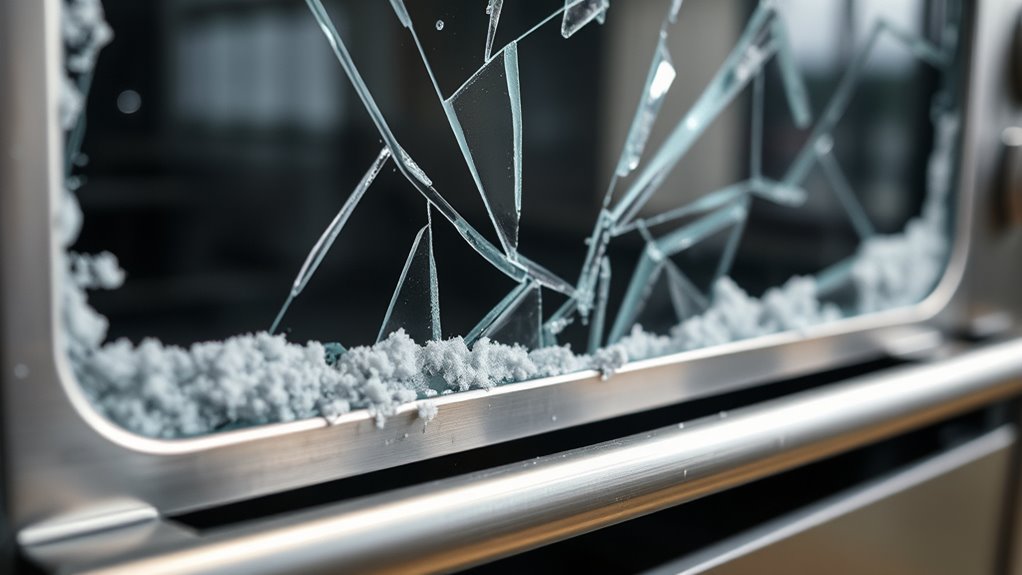
Using oven cleaner on a self-cleaning oven can cause serious damage to its internal parts, coatings, and safety features. Harsh chemicals might corrode or weaken heating elements, sensors, or interior surfaces, leading to malfunctions or costly repairs.
They can also leave harmful residues and fumes that interfere with the high-temperature cleaning cycle.
If you want to protect your oven and guarantee it lasts longer, there are safer methods to try—more details are just ahead.
Key Takeaways
- Harsh oven cleaners can damage internal parts like heating elements and sensors.
- They might also harm protective coatings, leading to discoloration or peeling inside the oven.
- Chemical residues from these cleaners can create fumes during the self-clean cycle, which can be unsafe.
- Using incompatible cleaners can mess with the high-temperature ash-burning process of self-cleaning ovens.
- Improper cleaning can lead to costly repairs and shorten the oven’s lifespan.
What Is a Self-Cleaning Oven and How Does It Work?
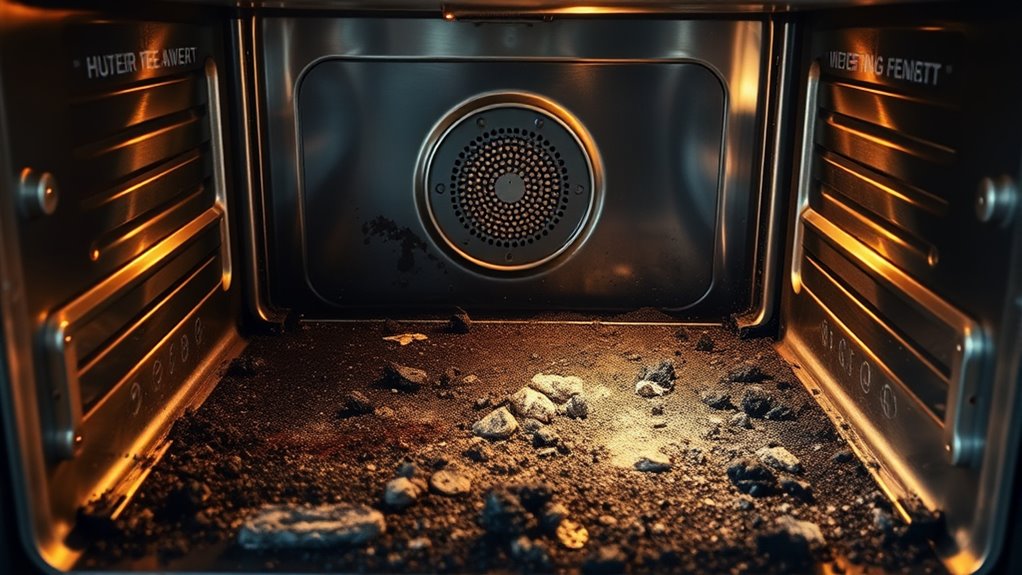
Have you ever wondered how a self-cleaning oven actually works? These ovens are made to make cleaning easier by using super high temperatures to burn off residue and grime.
When you start the self-cleaning cycle, the oven heats up to around 900°F. This turns baked-on food and grease into ash, making cleanup much simpler.
This process means you don’t need harsh cleaning chemicals, but safety is still important. Make sure to remove oven racks and any other accessories first because they can be damaged by the intense heat.
The cleaning cycle lasts for several hours. Once it’s done, you just wipe away the ash with a damp cloth. While these ovens cut down on manual scrubbing, understanding how they work helps you use them safely and effectively.
There’s no need for additional cleaning chemicals outside the recommended procedures. The high heat does most of the work and handles messes efficiently on its own.
Is It Safe to Use Oven Cleaner on a Self-Cleaning Oven?
Using oven cleaner on a self-cleaning oven? Well, it’s not really recommended, and there are some risks involved. If you’re not careful, you could end up damaging your oven. Many manufacturers actually advise against using harsh chemicals on self-cleaning models because they can harm the oven’s parts. So, before you reach for that cleaner, it’s a good idea to check your appliance’s instructions first. Better safe than sorry!
Potential Damage Risks
Applying oven cleaner to a self-cleaning oven can pose significant risks to its components and functionality. The harsh chemicals in oven cleaner can cause damage through chemical reactions with the oven’s surfaces and internal parts.
These cleaners often contain caustic agents that may erode or discolor the oven’s enamel, heating elements, and sensors. Using an oven cleaner not designed for self-cleaning models can weaken seals or wiring, leading to malfunction or safety hazards.
The chemical reactions might produce fumes or residues that linger, potentially affecting the oven’s performance or safety during subsequent self-clean cycles. Overall, relying on oven cleaner can compromise the integrity of your oven, making it less effective and increasing the risk of costly repairs or unsafe operation.
Manufacturer Recommendations
Most manufacturers explicitly advise against using oven cleaner on self-cleaning ovens because these appliances are designed to handle high-temperature cycles that burn off grime naturally. Applying harsh cleaning chemicals can interfere with the oven’s components or damage its protective coatings.
Always check your oven’s manual for specific appliance maintenance instructions, as they often warn against chemical cleaners. Sticking to the recommended cleaning methods helps preserve your oven’s functionality and safety.
Following the manual’s advice ensures your oven stays in good shape and avoids unnecessary risks from improper use of cleaning chemicals. Rely on the self-cleaning cycle, which is designed to burn off grime safely, instead of harsh chemical cleaners.
Why Using Oven Cleaner on Your Self-Cleaning Oven Can Be Risky
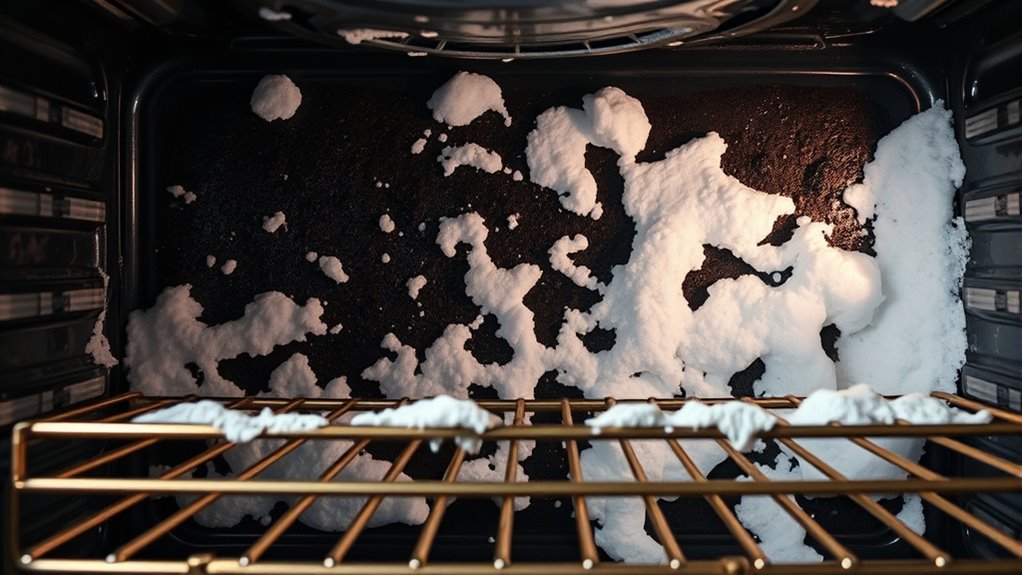
Although self-cleaning ovens are built to handle high heat, applying oven cleaner can still be risky. Harsh chemicals inside or around your oven can threaten kitchen safety.
These cleaners are often caustic and can produce toxic fumes when heated or mixed with other substances. Breathing in these fumes or touching them can cause respiratory problems or skin irritation.
Applying oven cleaner improperly might leave chemical residues that can damage your oven’s parts or interfere with its self-cleaning feature. You might think you’re protecting your oven with these chemicals, but you’re actually risking damage and safety issues.
Always follow the manufacturer’s instructions and avoid store-bought oven cleaners on self-cleaning models. Proper maintenance keeps your oven safe, lasts longer, and prevents exposure to harmful chemicals.
How Oven Cleaner Can Damage Your Self-Cleaning Oven
Using oven cleaner on your self-cleaning oven can cause serious damage to its internal parts. When you spray harsh chemicals, they can react in ways that weaken or corrode sensitive components like heating elements and sensors.
These reactions can lead to cracks, warping, or electrical problems, which can mess up your oven’s performance. If you use oven cleaner often, especially frequently, the risk increases.
Chemical residue from these cleaners can interfere with the oven’s self-cleaning function, making it malfunction or stop working altogether. Plus, aggressive cleaners can harm the interior coatings, reducing their effectiveness and making future cleaning harder.
Over time, all these issues can lead to costly repairs or even the need to replace parts entirely. To keep your oven in good shape, it’s important to understand how chemical reactions from oven cleaners can damage it and to avoid overusing these products.
Signs Your Oven Has Been Harmed by the Wrong Cleaning Products
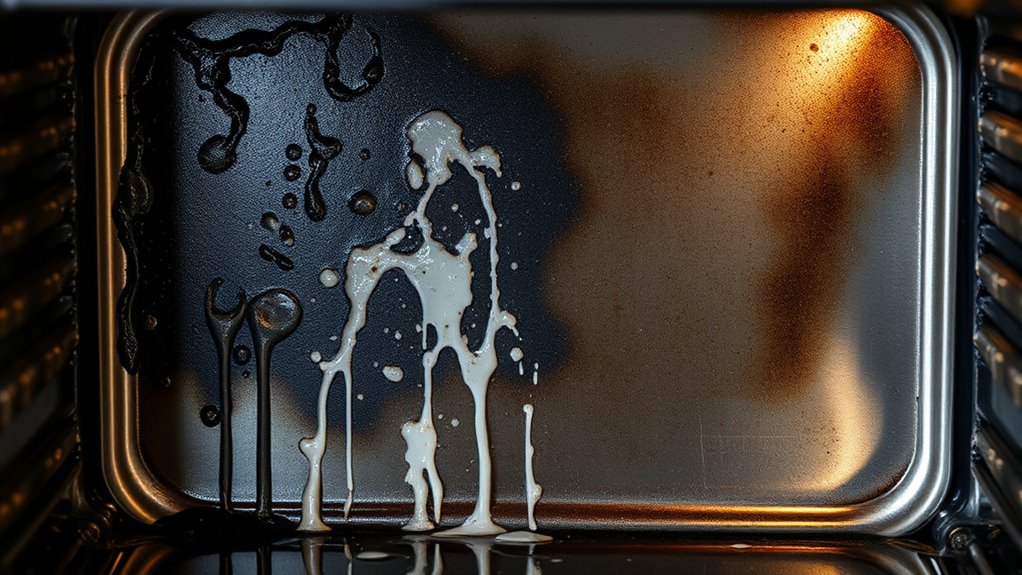
If you see that your oven’s coatings are peeling or bubbling, that’s usually a sign that harsh cleaning products have done some damage. It’s like your oven’s way of telling you it’s been through too much. You might also notice strange noises or that it’s not heating evenly—these could be clues that the internal parts are affected too.
Catching these signs early is super important. It can help you avoid bigger problems down the line and save you from some pretty costly repairs. So, if something seems off, it’s a good idea to take a closer look and maybe reconsider the cleaning products you’re using.
Damaged Oven Coatings
When you use the wrong cleaning products on your oven, the coatings meant to protect its interior can get damaged quickly. Harsh chemicals during cleaning can wear down or strip away these protective layers.
This can lead to visible damage like discoloration, peeling, or a rough texture on the oven’s surface. Chemical damage weakens the coating’s ability to resist stains and heat, making the oven more prone to grime buildup.
If the coating looks damaged or compromised, it’s a clear sign that improper cleaning products have caused harm. Protecting these coatings is key to keeping your oven in good shape.
Using the right cleaning methods helps ensure your oven stays in top condition without risking chemical damage.
Malfunctioning Components
Damaged coatings can leave your oven vulnerable to more issues, but chemical harm from improper cleaning products can also cause mechanical problems. Using harsh cleaners like oven cleaner on a self-cleaning oven may damage parts such as sensors, heating elements, or the control board.
Signs of trouble include uneven heating, error messages, or the oven not turning on. Visualize these potential issues:
| Component | Possible Damage | Result |
|---|---|---|
| Heating Elements | Corrosion or melting | Inconsistent or no heat |
| Temperature Sensor | Discoloration or breakage | Incorrect temperature readings |
| Control Board | Short circuits or corrosion | Oven fails to operate |
Always prioritize oven safety and use proper cleaning methods to avoid damaging components with inappropriate chemicals.
How Oven Cleaner Interferes With Self-Cleaning Functions
Using oven cleaner on a self-cleaning oven can seriously interfere with its ability to clean itself properly. When you use oven cleaner, its chemicals can leave residues that resist the high temperatures of the self-cleaning cycle.
These residues can create a barrier, stopping the self-cleaning process from breaking down baked-on grime effectively. Oven cleaner also often contains harsh chemicals that can damage the oven’s interior surfaces or parts, making it harder for the oven to heat evenly during cleaning.
This interference can lead to incomplete cleaning or even damage to internal components. The self-cleaning function relies on high heat to burn off residues, but if oven cleaner chemicals are still present, they can produce fumes or residues that disrupt this process.
As a result, you might end up needing more manual cleaning or repairs, which defeats the purpose of having a self-cleaning oven in the first place.
Best Ways to Clean Your Self-Cleaning Oven Safely
Cleaning your self-cleaning oven can be straightforward if you do it the right way. First off, it’s best to avoid harsh scrubbing or using abrasive tools—that can actually damage the oven’s surface. Instead, stick to cleaning products that are specifically made for ovens, and always read and follow the instructions on the label.
Taking these precautions not only helps keep your oven in good shape but also keeps you safe from any potential injuries or damage. So, a little care and the right products go a long way in making the cleaning process smooth and safe!
Proper Cleaning Techniques
Even when your oven has a self-cleaning feature, it’s important to follow proper cleaning techniques to guarantee safety and effectiveness. Start by removing any loose debris or kitchen gadgets from inside the oven, making sure nothing interferes with the cleaning cycle.
Follow a consistent cleaning schedule—regular maintenance prevents heavy buildup and makes the self-cleaning process more efficient. Before starting, wipe down surfaces with a damp cloth to remove surface grime.
Avoid using harsh chemicals or oven cleaners, as they can damage the interior or interfere with the self-cleaning function. Be sure to read your oven’s manual for specific instructions.
Proper techniques help prevent damage, fumes, and residue, ensuring your oven remains safe and ready for use after each cleaning.
Safe Cleaning Products
While it might be tempting to reach for heavy-duty chemical cleaners, choosing safe, gentle products is the best way to protect your oven’s interior and ensure it works properly. Use non-abrasive, oven-safe cleaners designed specifically for self-cleaning ovens.
These products help keep your oven safe and prevent damage inside. Setting up a cleaning schedule—whether weekly or biweekly—keeps grime under control without harsh chemicals. Avoid mixing chemicals or using oven cleaners not meant for self-cleaning ovens.
Here’s a quick guide:
| Product Type | Suitable for | Benefits |
|---|---|---|
| Baking soda | General cleaning | Gentle, natural deodorizer |
| Vinegar | Grease removal | Eco-friendly and effective |
| Commercial oven cleaners | Stubborn stains | Powerful but safe when used properly |
| Lemon juice | Light grime | Natural, with a fresh scent |
| Mild dish soap | Routine cleaning | Gentle and safe |
Common Mistakes That Can Damage Your Oven When Cleaning
One common mistake that can damage your oven is using harsh chemicals or abrasive tools during cleaning. An oven cleaner containing strong chemicals can cause unwanted reactions with oven surfaces, leading to corrosion or pitting.
These aggressive products may also degrade the protective coatings inside your oven, reducing its lifespan. Using abrasive tools like steel wool or harsh scrubbers can scratch or gouge the interior, creating damage that’s hard to fix.
When you combine the wrong cleaning products or tools, you risk damaging the oven’s enamel or heating elements. Even if the cleaner promises to be effective, it might react negatively with the oven’s components, causing discoloration or weakening structural parts.
Always follow the manufacturer’s instructions and avoid mixing different cleaning agents. Staying cautious about the types of cleaning products and tools you use helps prevent costly repairs and keeps your oven functioning safely and efficiently.
When to Call a Professional for Oven Repairs or Deep Cleaning
Knowing when to call a professional can save you time, money, and potential damage to your oven. If your oven isn’t heating properly, shows persistent smoke, or has damage to the interior or components, it’s time to seek expert help.
Also, if your cleaning schedule involves harsh chemicals or DIY deep cleaning methods that haven’t improved performance, a professional can assess and restore your oven’s function safely. When considering oven customization, such as adjusting temperature calibration or upgrading features, professionals ensure these modifications don’t compromise safety or efficiency.
Regular maintenance and timely repairs can extend your oven’s lifespan and keep it running smoothly. If you notice unusual odors, strange noises, or inconsistent cooking results, don’t delay—call a technician.
Addressing these issues early helps avoid costly repairs and guarantees your oven remains an effective part of your cleaning routine.
Tips to Keep Your Self-Cleaning Oven Running Smoothly
To keep your self-cleaning oven working well, it’s important to do some simple maintenance. First, avoid common myths that say you should use harsh chemicals or abrasive tools, which can damage the inside. Instead, try easy DIY tips like wiping down the oven after each use to stop buildup.
Make sure to regularly check and clean the vents and fans. This helps proper airflow and keeps the oven from overheating. Always follow your manufacturer’s instructions for using the self-cleaning cycle. Don’t use oven cleaners not meant for self-cleaning models.
Regularly clean vents and fans to ensure proper airflow and prevent overheating. Follow your manufacturer’s cleaning instructions.
Here are four key tips to keep your oven in good shape:
- Clean spills right away to stop baked-on stains.
- Wipe down the oven with a soft cloth or sponge regularly.
- Clear the vents and fans on a regular basis.
- Get professional deep cleans when needed.
Following these simple tips will help your oven run smoothly and last longer.
Frequently Asked Questions
Can Using Oven Cleaner Void My Oven’s Warranty?
Using oven cleaner on a self-cleaning oven can void your warranty because it might cause damage that isn’t covered.
Manufacturers usually specify that only their recommended cleaning methods and products should be used to avoid voiding the warranty.
If you damage the oven with harsh chemicals, the warranty may be voided, and you’ll be responsible for repairs.
Always check your oven’s manual before using any cleaning products to be safe.
How Does Oven Cleaner Chemically React With Self-Cleaning Oven Components?
Using oven cleaner on a self-cleaning oven causes a chemical reaction that can damage oven components. The harsh chemicals, like lye or acids, may corrode or weaken the heating elements, sensors, and seals.
This reaction can lead to malfunctions or reduced efficiency. You should avoid applying oven cleaner directly to self-cleaning ovens, as it interferes with the protective coatings and safety features designed for the cleaning cycle.
Are There Any Eco-Friendly Oven Cleaning Alternatives for Self-Cleaning Ovens?
Yes, there are eco-friendly options for cleaning your self-cleaning oven. Natural solutions like baking soda and vinegar work well to break down grease and grime without any harmful chemicals.
Just make a paste of baking soda and water, spread it inside the oven, then spray with vinegar afterward. Let it sit for a while, then wipe it clean.
This method is safe for your family and good for the environment, giving you a natural, effective clean.
Will Oven Cleaner Leave Harmful Residues After Cleaning?
Using oven cleaner can leave behind chemical residues that stick around on surfaces, which can be a health concern. These residues might not be visible, but they can release fumes or transfer to your food.
Think of it as a quiet threat compared to the visible grime it removes. Always rinse and wipe your oven thoroughly after using chemical cleaners.
This simple step helps reduce the risk of ingesting or inhaling harmful residues, keeping you and your family safer.
How Long Should I Wait After Applying Oven Cleaner Before Using the Oven Again?
You should wait at least 24 hours after applying oven cleaner before using the oven again. This waiting period ensures the cleaner is completely safe to use.
It allows all residues to fully evaporate and any fumes to dissipate. Rushing this process could expose you to harmful chemicals or cause unpleasant odors while cooking.
Always follow the manufacturer’s instructions and make sure the oven is thoroughly ventilated during this time for safe and effective cleaning.
Conclusion
Using oven cleaner on your self-cleaning oven is like pouring rain on a fire. It can do more harm than good.
Your oven’s self-cleaning cycle is designed to handle grime safely, but harsh chemicals can damage its delicate parts. This can turn a shiny workhorse into a stubborn mule.
Stick to gentle cleaning methods, and your oven will continue to serve you well. It will shine like a star in your kitchen’s night sky.
Keep it clean, keep it shining, and avoid using oven cleaner on your self-cleaning oven.