What Happens When Pyrex Goes From Fridge to Oven?
Many people love using Pyrex for its durability and convenience in the kitchen. But if you’re not careful, sudden temperature changes can cause problems.
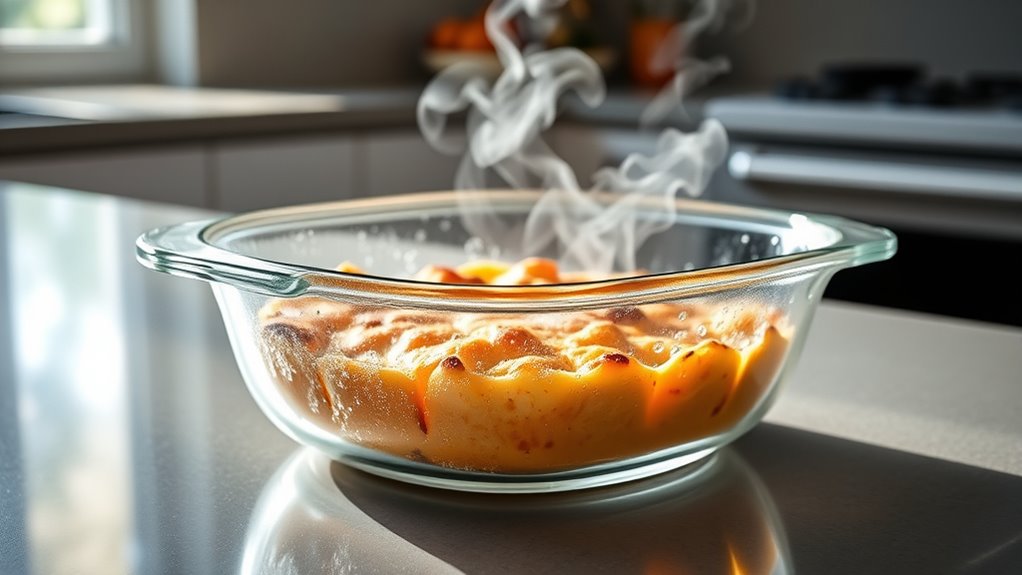
When you place Pyrex straight from the fridge into a hot oven, rapid temperature change causes internal stress that can lead to cracking or shattering. This happens because the glass expands unevenly, especially if it’s cold before heating.
To stay safe and avoid damage, it’s best to warm your Pyrex gradually and follow best handling practices.
If you want to learn more about preventing accidents and proper use, keep exploring these tips.
Key Takeaways
- Rapid temperature change causes internal stress, which can increase the risk of cracks or shattering.
- Going straight from the fridge to the oven can lead to uneven expansion and potential damage.
- To avoid this, it’s best to warm the Pyrex gradually. This helps reduce thermal shock and keeps it safe.
- Handle your Pyrex carefully during transfer to prevent extra stress or potential breakage.
- If your Pyrex is damaged or chipped, don’t expose it to heat. The cracks make it even more vulnerable.
Why Does Rapid Temperature Change Cause Pyrex to Crack?
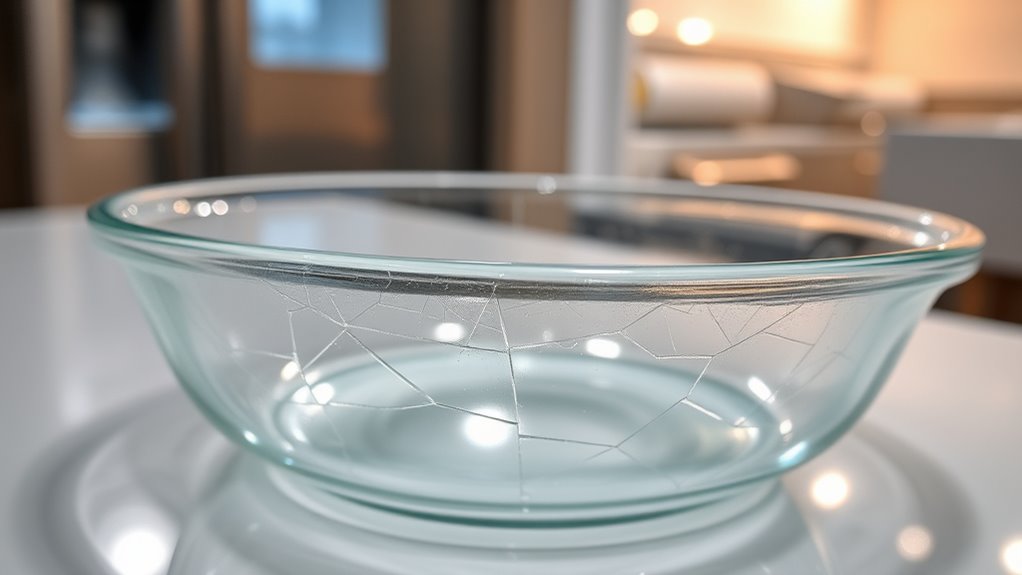
When you suddenly expose Pyrex to a rapid temperature change, it causes what’s called thermal shock. Pyrex’s durability depends on its special glass composition, which includes borosilicate glass.
Sudden temperature changes in Pyrex cause thermal shock, risking cracks or shattering due to internal stress.
This type of glass is designed to handle gradual temperature shifts, but quick changes can create stress inside it. For example, putting Pyrex from the fridge straight into a hot oven makes the outside heat up much faster than the inside.
This uneven heating causes the glass to expand differently in different areas. That internal tension can be too much for the glass to handle. If the stress gets too high, cracks or even shattering can happen.
Understanding this helps you avoid damaging your Pyrex. While it’s made to resist moderate heat, it’s not invincible against sudden temperature swings.
To keep your cookware intact, always let it warm up or cool down slowly. This gentle transition helps preserve its strength and prevents unexpected breaks.
How Does Pyrex Handle Heat? Understanding Its Resistance
Pyrex is pretty good at handling heat because of its special material makeup. It’s built to resist thermal shock, so it can go from hot to cold pretty quickly without cracking. That’s thanks to its carefully balanced mix of borosilicate glass, which helps it expand and contract very little when temperatures change. Knowing how these properties work can help you use your Pyrex safely, whether you’re baking, reheating, or taking it straight from the freezer to the oven.
Thermal Shock Resistance
Understanding how Pyrex handles heat is key to using it safely and effectively. Its material durability allows it to withstand sudden temperature changes, but it’s still vulnerable to thermal shock if not used properly.
Pyrex is designed with controlled heat expansion in mind, so its glass can tolerate moderate temperature shifts without cracking. But rapid changes, like moving from the fridge directly into a hot oven, can cause stress.
To maximize its thermal shock resistance, avoid sudden temperature jumps. Always preheat or cool down gradually to prevent damage.
Recognizing its limits helps prevent breakage and guarantees safe, reliable use. By understanding how heat impacts Pyrex’s properties, you can confidently switch between cold and hot environments without risking damage.
Material Composition Stability
Pyrex’s ability to handle heat depends a lot on its carefully engineered material composition. Its glass is made to stay strong even when temperatures change quickly.
This stability helps the glass resist cracking or shattering under thermal stress. The specific blend of borosilicate glass makes it durable and resistant to heat expansion.
| Aspect | Explanation |
|---|---|
| Glass Composition | Borosilicate glass reduces thermal expansion |
| Material Integrity | Keeps its strength during temperature swings |
| Heat Resistance | Built to withstand oven temperatures without warping |
| Thermal Shock Tolerance | Designed to be resilient and lower cracking chances |
| Overall Stability | Ensures safe change from fridge to oven |
Common Reasons Why Pyrex Might Shatter in the Oven
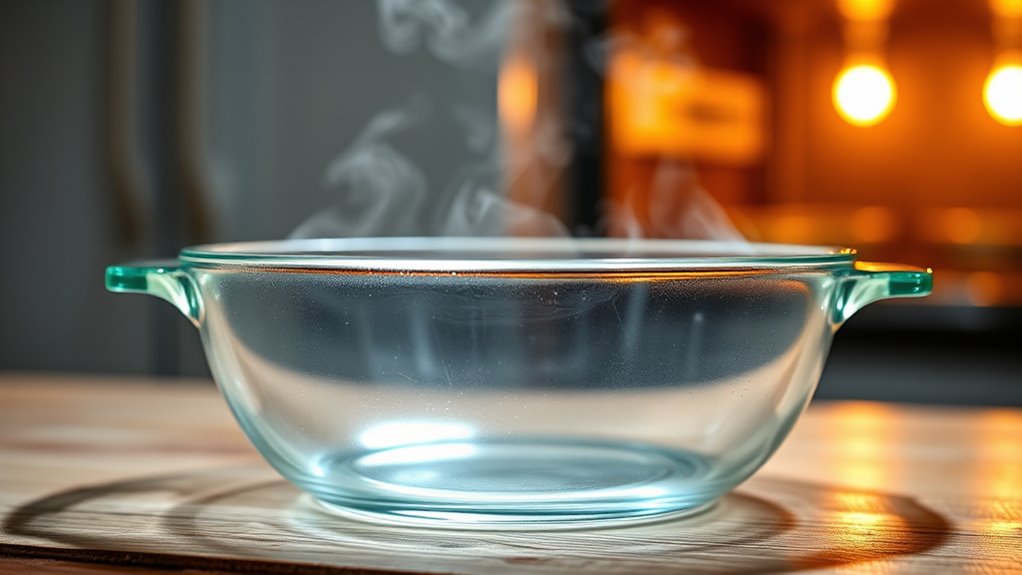
One of the main reasons Pyrex can shatter in the oven is because of sudden temperature changes, which is also known as thermal shock. Basically, if you take the dish straight from the fridge and put it right into a hot oven, the quick jump in temperature can cause the glass to crack or shatter.
To avoid this, it’s a good idea to let your Pyrex dish warm up gradually before putting it in the oven. That way, the glass has time to adjust to the temperature change, and you’ll reduce the risk of it breaking.
Sudden Temperature Changes
Have you ever wondered why sudden temperature changes can cause Pyrex to shatter? It’s mainly because of thermal stress—when the glass heats or cools quickly, it expands or contracts unevenly.
During the Pyrex manufacturing process, heat-resistant glass was developed to handle temperature swings. That’s part of the Pyrex brand history. Still, even the strongest glass can crack if exposed to sudden changes.
| Temperature Change | Effect on Pyrex | Risk Level |
|---|---|---|
| Fridge to oven | Sudden expansion | High |
| Hot to cold | Rapid contraction | High |
| Gradual heating | Safe | Low |
| Freezer to oven | Extreme stress | Very high |
| Room temp to microwave | Moderate stress | Medium |
Knowing these risks can help you avoid shattering your Pyrex. Being cautious with temperature shifts keeps your glassware safe and intact.
Thermal Shock Risks
Even if your Pyrex is labeled oven-safe, certain common mistakes can cause thermal shock and make it shatter. One big risk is sudden temperature changes, like putting a cold dish straight into a hot oven.
Avoid Pyrex cleaning methods that involve rapid cooling, such as rinsing with cold water right after baking. This can weaken the glass and increase the chance of cracking.
If your Pyrex has paint or decals on it, those areas might be more prone to cracking under heat stress.
Always let your dish come to room temperature before baking, and be careful with temperature differences.
Handling your Pyrex properly and avoiding sudden shifts in temperature are key to preventing thermal shock and keeping it intact during oven use.
Best Ways to Move Pyrex Safely From Fridge to Oven
To move Pyrex safely from the fridge to the oven, handle it carefully and follow proper techniques. First, take the dish out of the fridge and let it sit for a bit to reach room temperature. This helps reduce the chance of cracking from sudden temperature changes.
Allow Pyrex to reach room temperature before oven use to prevent cracking from sudden temperature shifts.
When preparing for decorating or storage, avoid quick temperature shifts to keep the Pyrex in good shape. Use oven mitts to grip the dish securely and prevent slipping.
Always place the Pyrex on a stable, flat surface before putting it into the oven. If it’s been used for storage, make sure it’s empty and clean first.
Never move a cold Pyrex directly into a hot oven without letting it warm gradually. Taking these steps helps keep your Pyrex intact whether you’re baking, decorating, or storing leftovers.
Proper handling protects your investment and keeps your kitchen safe.
How to Prevent Thermal Shock When Using Pyrex
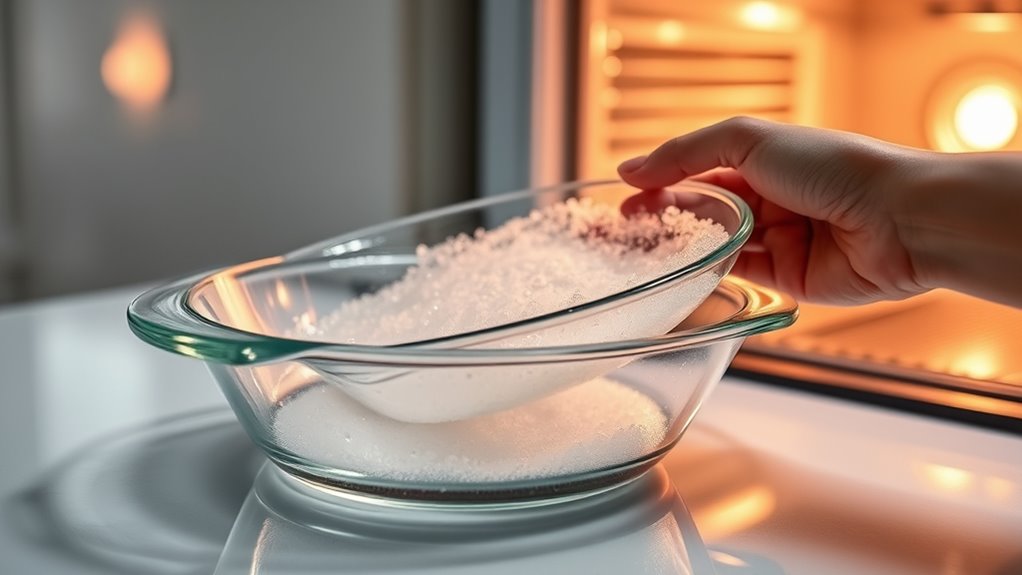
To prevent thermal shock, it’s a good idea to gradually change the temperature of your Pyrex. Instead of sudden moves, try slowly warming or cooling the dish. For example, if you’re taking it out of the fridge, let it sit at room temperature for a bit before putting it in the oven.
Also, make sure your oven is set to the right temperature. Sudden temperature changes are what can cause the glass to crack or break, so taking it slow really helps protect your dish. Just a little patience goes a long way in keeping your Pyrex safe!
Gradual Temperature Changes
When handling Pyrex, it’s important to avoid sudden temperature changes that can cause thermal shock. Always let your cookware adjust gradually to protect its durability in the kitchen.
For example, don’t transfer a cold dish directly into a hot oven or the other way around. Instead, let it sit at room temperature for a few minutes or warm it slowly in a low-temperature oven.
Pyrex’s tempered glass is more resistant than regular glass but still vulnerable to quick temperature shifts. Controlling these changes helps prevent cracking or shattering.
This careful approach will extend the life of your Pyrex and keep it in good shape, so it remains a reliable tool in your kitchen for years to come.
Avoid Sudden Moves
Even if your Pyrex seems sturdy, abrupt movements can cause thermal shock. When switching from fridge to oven, handle the glassware carefully and avoid sudden jarring moves. Sharp impacts or quick shifts can stress the glass, leading to cracks or breaks.
Maintaining gentle, controlled movements preserves your kitchen’s look and keeps your glassware in top shape. Always lift or slide the Pyrex instead of dragging it across surfaces, and set it down gently on a stable, heat-resistant surface.
Remember, patience is key. Taking your time prevents damage and keeps your Pyrex looking pristine. Proper handling not only extends its lifespan but also ensures safe, attractive kitchen aesthetics.
Stay mindful of your movements to protect your investment and guarantee reliable glassware care.
Use Proper Oven Settings
Using the correct oven settings is really important to prevent thermal shock when you take your Pyrex from the fridge. Pyrex is designed to handle high temperatures, but sudden changes can cause it to crack.
Always preheat your oven to the right temperature before putting your Pyrex inside. Avoid setting the oven to a high heat right after removing the dish from the fridge; instead, increase the heat gradually if needed.
Use the middle rack for even heat distribution. Also, don’t use Pyrex on broiler settings or open flames. Following these tips helps keep your Pyrex safe from thermal shock and preserves its quality over time.
Signs Your Pyrex Dish Might Be Cracked or Weakened
You should keep an eye out for cracks or chips in your Pyrex dish, as these are clear signs it may be weakened. The Pyrex design relies on a specific glass composition that’s meant to withstand temperature changes, but damage can compromise its integrity.
Look closely at the surface for any fine lines or fractures that weren’t there before; these weaken the dish and increase the risk of it breaking during use. Chips or missing pieces are especially concerning because they create stress points where the glass is more likely to shatter under thermal stress.
Even if the damage seems minor, it’s a sign that the dish’s structural integrity has been compromised. Regularly inspect your Pyrex for these signs, especially after washing or mishandling, to make sure you don’t unknowingly use a weakened dish that could break unexpectedly.
Can You Still Use Damaged Pyrex Safely?
If your Pyrex dish has visible cracks, chips, or other damage, it’s generally unsafe to keep using it for cooking or baking. Damaged Pyrex can lose its glass safety and durability, which means it could break or shatter during temperature changes. Using damaged glass could cause burns or kitchen accidents.
Damaged Pyrex can break or shatter, risking burns and accidents—it’s safest to replace it.
Think about these points before deciding to keep using it:
- Cracks can get bigger when heated, making the dish more fragile.
- Chips weaken the glass, raising the chance of it breaking.
- Damaged Pyrex might not handle thermal shock well, risking sudden shattering.
Pyrex is known for being durable, but damage can make it unsafe. It’s best to play it safe and replace any dish that’s visibly damaged. Even small damage can weaken the glass and create safety risks when using it in the oven. When you’re unsure, it’s safer to toss out the damaged Pyrex and avoid accidents.
Tips for Gradually Heating or Cooling Pyrex
When handling damaged Pyrex, it’s really important to heat and cool it slowly to avoid causing more stress or making it shatter. Sudden temperature changes can lead to stress fractures, even if the Pyrex looks fine.
To keep that from happening, follow a gradual process. For example, when moving Pyrex from the fridge to the oven, let it sit at room temperature for about 20-30 minutes first. When cooling, don’t put it straight into the fridge after baking—let it cool naturally instead.
| Step | Tip |
|---|---|
| Gradual Heating | Start with low heat, then slowly turn it up |
| Room Temperature | Let Pyrex come to room temp before heating or cooling |
| Pyrex Cleaning | Use warm water and gentle soap, avoid abrasive scrubbers |
| Pyrex Storage | Store in a stable spot, avoiding sudden temp changes |
Following these tips helps keep your Pyrex in good shape, so it stays safe to use and lasts longer.
What Should You Do If Pyrex Shatters During Use?
Shattering Pyrex during use can be startling and potentially dangerous, so knowing how to respond quickly is essential. First, carefully remove your cookware from the oven, avoiding any sudden movements.
Then, immediately turn off the oven and let the piece cool down completely before handling again. Remember, never try to pick up broken glass with bare hands; use sturdy gloves or a broom and dustpan instead to prevent cuts.
To prevent injury and further damage:
- Clear the area and keep children and pets away.
- Dispose of the shattered glass safely, wrapping it in newspaper or a thick cloth.
- Check your Pyrex for oven compatibility before reuse, and avoid using it for storage if it’s broken or compromised.
Shattering often indicates thermal shock or damage to the glass, so always inspect your Pyrex carefully before using it again in the oven.
Frequently Asked Questions About Pyrex Safety in the Kitchen
Many people have questions about using Pyrex safely in their kitchens, especially after incidents of breakage or thermal shock. A common concern is whether Pyrex can handle sudden temperature changes, like moving it from the fridge to the oven.
Many wonder if Pyrex can withstand sudden temperature changes like fridge to oven.
The good news is that most modern Pyrex is designed for oven use, but it’s important to follow manufacturer guidelines. When it comes to Pyrex cleaning, avoid abrasive scrubbers that can scratch the surface or weaken the glass.
If you use your Pyrex for decorative purposes, keep in mind that it’s usually not meant for oven use. So, don’t expose it to high heat. Always check if your Pyrex piece is oven-safe before heating.
Proper care guarantees your Pyrex remains durable and safe, whether you’re baking or simply displaying it. Asking these questions helps you avoid accidents and get the most out of your Pyrex’s longevity.
Frequently Asked Questions
Can I Place Hot Pyrex Directly Into the Refrigerator?
You shouldn’t put hot Pyrex directly into the refrigerator because the sudden temperature change can cause it to crack or break.
Pyrex is designed to handle high oven temperatures but isn’t meant for rapid cooling.
To keep your dish safe, let it cool to room temperature first, then transfer it to the fridge.
This way, you’ll prevent damage and help your Pyrex last longer.
How Long Can Pyrex Safely Stay in the Oven?
You can safely bake with Pyrex for up to two hours at oven temperatures of 350°F or less, thanks to its excellent durability.
With its borosilicate glass composition, Pyrex resists thermal shock, but prolonged exposure to high heat can weaken it.
Imagine the glass enduring thousands of cycles of heating and cooling—this resilience comes from its material design.
Just avoid sudden temperature changes, and your Pyrex stays safe in the oven.
Is It Safe to Microwave Pyrex With Food Inside?
Yes, it’s safe to microwave Pyrex with food inside as long as you follow proper microwave safety rules. Pyrex is made for food use and can handle microwave heat, but always check that your dish is labeled microwave-safe.
Avoid sudden temperature changes, like putting hot Pyrex directly into cold water. This can cause the glass to break. By following these simple precautions, you can use your microwave safely without risking damage or injury.
What Temperature Limits Should I Follow for Pyrex?
You should keep Pyrex within the manufacturer’s recommended temperature limits, typically up to 450°F (232°C).
For safety and durability, avoid sudden temperature changes, like moving it directly from the fridge to a hot oven. This can cause cracking.
Always follow the guidelines on your Pyrex packaging, and use oven mitts to handle hot dishes to stay safe.
Can I Use Pyrex on a Stovetop or Open Flame?
You shouldn’t use Pyrex on a stovetop or open flame because it’s not designed for direct heat. Applying heat directly to Pyrex can cause it to shatter or break.
Pyrex is meant to be used in the oven or microwave, where the heat is controlled and even. For stovetop cooking, it’s best to stick with cookware made for direct heat.
This way, you’ll keep your Pyrex pieces safe and ensure they last a long time. Always follow the manufacturer’s instructions for proper use.
Conclusion
To keep your Pyrex safe, avoid sudden temperature changes that cause thermal shock. Think of it like a glass bridge: if you suddenly go from cold to hot, it might crack under the stress. Gradually warming or cooling your Pyrex helps prevent this.
Remember, even damaged or chipped pieces can shatter unexpectedly. Treat your Pyrex with care, and it’ll serve you well for years. When moving it from the fridge to the oven, gentle temperature changes are key to preserving its integrity.