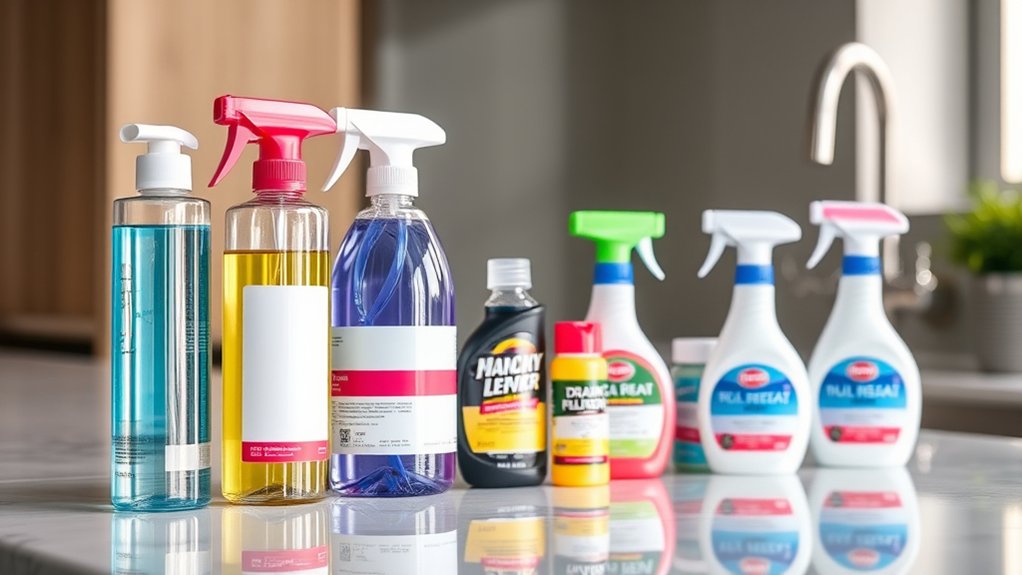
Best Drain Cleaners for Kitchen Sinks: 10 Effective Options
Dealing with a clogged or slow-draining kitchen sink is a common frustration many of us face. You’re not alone in trying to find the best drain cleaners to keep things flowing smoothly.
Luckily, there are effective options out there to tackle stubborn buildup and organic clogs.
If you’re looking for the best drain cleaners for kitchen sinks, there are several effective options to consider. Products like Drano Max Gel, Bio-Clean, Green Gobbler Drain Opener, Rid-X, and Zep Drain Opener work well on tough buildup and organic clogs.
Many are eco-friendly and safe for your pipes when used properly. To get the most out of these solutions and learn tips on choosing and applying them safely, there’s more to explore below.
Key Takeaways
- Choose drain cleaners that are proven to work well on grease, hair, and organic buildup common in kitchen sinks.
- Go for eco-friendly options made from biodegradable enzymes or plant-based acids to keep things safe for your family and the environment.
- Consider products like Drano Max Gel, Bio-Clean, Green Gobbler, Rid-X, and Zep for heavy-duty cleaning jobs.
- Always follow the manufacturer’s instructions carefully and wear protective gear when applying the cleaner.
- For ongoing maintenance, pick solutions that help prevent future clogs and are safe for your pipes and the environment.
What Causes Kitchen Sink Clogs and Slow Drains?
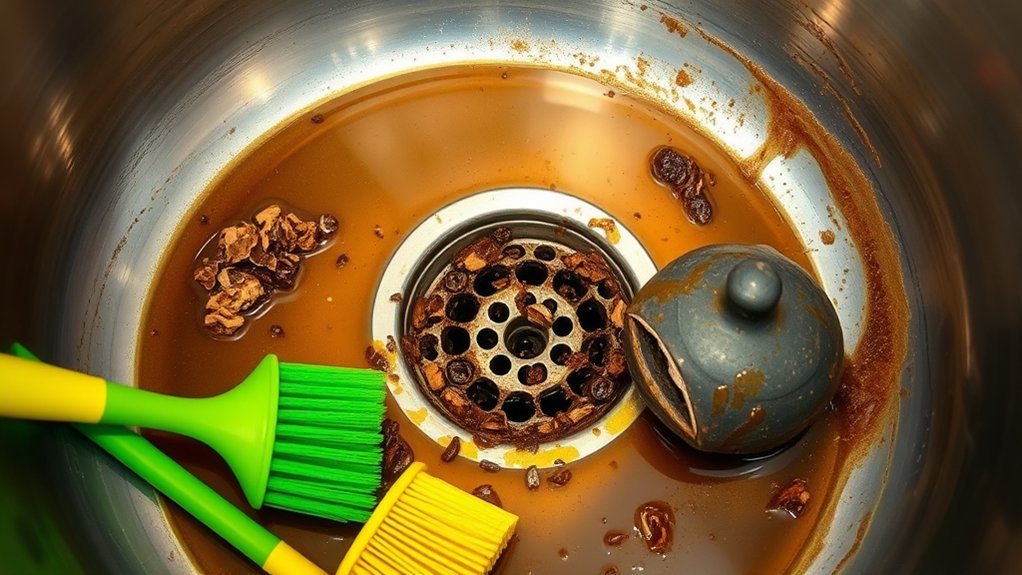
Kitchen sink clogs and slow drains often happen because of everyday habits. When you pour grease or oil down the drain, it cools and solidifies, trapping debris and causing blockages.
Food particles, soap scum, and hair also build up over time, reducing water flow. Poor kitchen sink maintenance can make these issues worse, especially if you ignore minor slowdowns.
Regular plumbing inspection helps identify potential problems early, preventing major clogs. Avoid pouring coffee grounds or fibrous foods that can cling to pipes.
Using a strainer can catch debris before it enters your plumbing. Also, avoid flushing items like paper towels or wipes, which don’t break down easily.
Keeping your pipes clear requires awareness of what goes down the drain and routine care. Conducting periodic plumbing inspections and practicing good sink habits will help maintain smooth drainage and prevent stubborn clogs from forming.
How to Spot Signs of a Clogged Sink
If you notice a bad smell hanging around your sink, that’s often a sign something’s not quite right nearby. It could be a clogged drain hiding out of sight.
And if you see water taking longer than usual to go down, don’t ignore it. That slow draining is a pretty clear hint that your drain is starting to clog up.
Just keeping an eye on these little signs can really help you catch any problems early on—before they turn into a bigger, messier issue.
Unusual Odors Emitting
Unusual odors coming from your sink are usually a sign that a clog is forming or getting worse. These persistent drain smells can indicate buildup of debris, grease, or mold deep inside your pipes.
To catch this problem early, watch for signs like a strong, lingering smell even after cleaning. Foul odors that get worse when you use hot water are also a warning.
If the smell sticks around even after running water or seems to rise from the drain, it’s likely due to a clog trapping food particles or organic matter. This can lead to bacterial growth and bad smells.
Dealing with these drain odors quickly can prevent bigger issues down the line. If you notice these signs, try using an effective drain cleaner to break down the blockage and get rid of the smell.
Slow Drainage Occurs
Have you noticed water taking longer to drain from your sink? Slow drainage is a common sign of a clog forming in your kitchen sink. It often means there’s buildup in the drain pipe, so quick maintenance or an inspection is a good idea.
To figure out what’s wrong, watch for these signs:
| Symptom | What It Means | Action to Take |
|---|---|---|
| Water pooling in sink | Partial blockage in pipes | Use a drain cleaner or inspect pipes |
| Gurgling sounds | Air trapped by a clog | Check for debris or buildup |
| Slow draining after use | Developing clog | Schedule a drain pipe inspection |
| Foul odors | Bacterial buildup in pipes | Clean with an appropriate drain cleaner |
Spotting these signs early helps prevent bigger problems and keeps your sink flowing smoothly.
Quick Fixes for a Slow or Clogged Kitchen Sink
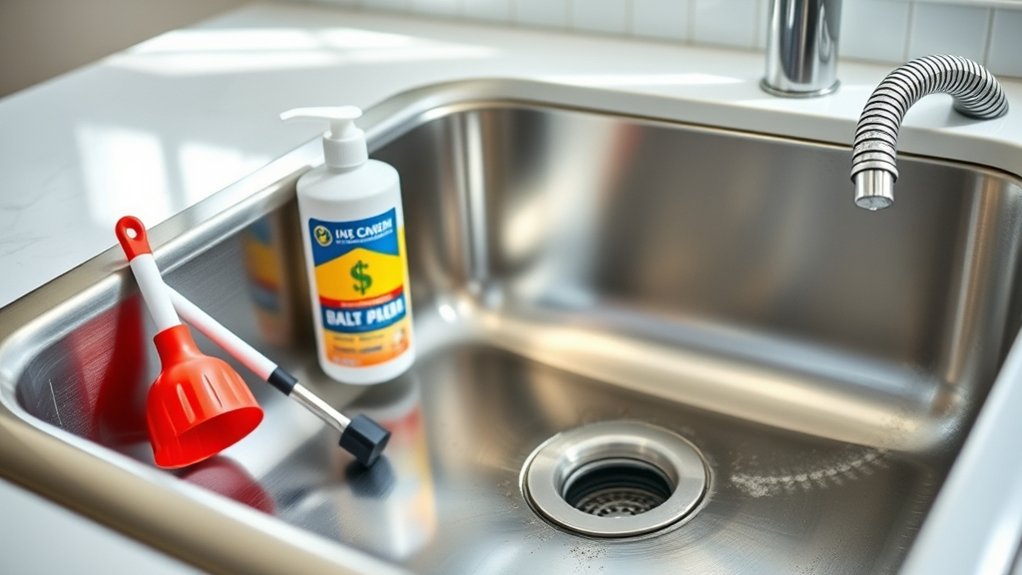
When your kitchen sink starts draining slowly or gets clogged, quick fixes can often get things flowing again without calling a plumber. Handling minor issues early helps keep your sink in good shape and can prevent bigger plumbing problems later on. Here are four simple solutions:
Boiling Water – Pour boiling water down the drain to loosen grease and debris. Repeat if needed until the water drains more smoothly.
Plunger – Use a cup plunger to create suction and dislodge the blockage. Make sure you get a tight seal for the best results.
Baking Soda and Vinegar – Pour half a cup of baking soda, then half a cup of vinegar into the drain. Wait 15-30 minutes, then flush with hot water.
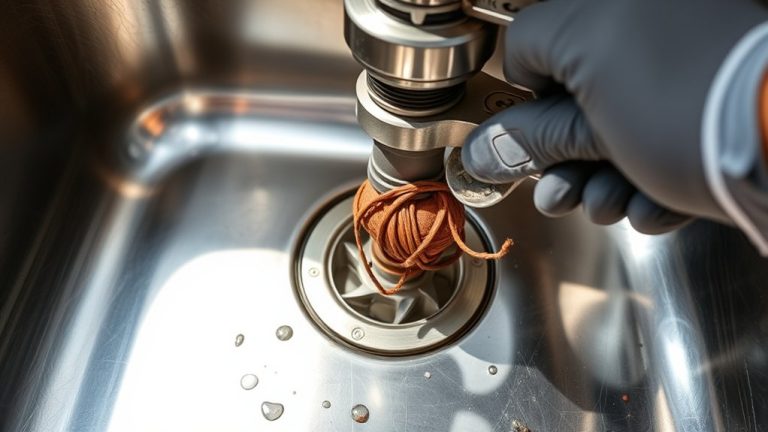
Check the Trap – Remove and clean the P-trap under your sink to clear any buildup or obstructions that might be causing the clog.
These quick fixes work well for minor clogs and can help keep your plumbing running smoothly, saving you time and money.
How to Choose the Best Drain Cleaner for Your Kitchen
When you’re picking out a drain cleaner, first thing to think about is whether it’s safe for your pipes. Different pipe materials can react differently, so you want to make sure you’re not causing any damage down the line.
Also, it’s a good idea to consider how eco-friendly the cleaner is. If you have kids or pets, safety should be a top priority, so look for options that are non-toxic and gentle on the environment.
And of course, you want a product that actually works. Check reviews or ask for recommendations to find a drain cleaner that’s proven to clear clogs effectively without causing any harm or damage.
Compatibility With Pipes
Choosing a drain cleaner that’s compatible with your pipes is essential to prevent damage and ensure effective cleaning. Different pipe materials can react differently to various cleaners, which can cause compatibility issues.
To confirm you pick the right product, consider these factors:
- Identify your pipe material—PVC, metal, or cast iron—to avoid using corrosive cleaners.
- Check label instructions for compatibility with your pipes, especially if they’re older or delicate.
- Avoid harsh chemicals like caustic soda if you have plastic pipes, as they may melt or weaken over time.
- Opt for enzymatic or biological cleaners for gentle, eco-friendly cleaning that works with most pipe types.
Environmental Impact Considerations
Considering the environmental impact of drain cleaners is essential because many traditional formulas contain harsh chemicals that can harm ecosystems and pollute water sources. These chemicals often trigger aggressive reactions that can damage aquatic life and contaminate groundwater.
When choosing a drain cleaner, go for eco-friendly options that break down naturally and reduce toxic runoff. Eco-conscious products also support sustainable plumbing maintenance by minimizing long-term environmental harm.
Look for biodegradable ingredients and avoid formulas with strong acids or caustic substances. By selecting environmentally safe drain cleaners, you help protect water quality and reduce chemical exposure to wildlife.
Making mindful choices ensures effective plumbing maintenance while safeguarding the environment for future generations.
Effectiveness and Safety
Selecting the right drain cleaner involves balancing effectiveness with safety to protect your plumbing and household health. To do this, consider these factors:
- Chemical reactions: Choose cleaners that effectively break down clogs without causing harmful reactions that could damage your pipes.
- Safety around household members: Opt for non-toxic or environmentally friendly options if you have kids or pets.
- Drain maintenance: Regular use of safe cleaners can prevent buildup and reduce the need for harsh chemicals.
- Compatibility with plumbing: Make sure the cleaner is suitable for your sink’s material to avoid corrosion or damage.
Prioritize products that remove clogs effectively while minimizing risks to your plumbing and health. This way, you can keep your drains clean safely.
Natural vs. Chemical Drain Cleaners: Pros and Cons
When it comes to clearing a clogged kitchen sink, you mainly have two options: natural or chemical drain cleaners. Natural options usually include ingredients like baking soda, vinegar, or enzymes, which gently break down debris through chemical reactions. These cleaners are eco-friendly, safer for your plumbing, and non-toxic, making them great if you prefer a greener approach or have sensitive skin.
However, they might take longer to work and aren’t always effective on stubborn clogs. Chemical drain cleaners, on the other hand, contain strong ingredients like sodium hydroxide or sulfuric acid. These chemicals produce rapid reactions that dissolve grease, hair, and buildup quickly.
But they also come with risks. They can damage pipes if misused, emit hazardous fumes, and are harmful to the environment. Choosing between natural and chemical options depends on what’s more important to you—safety and eco-friendliness or speed and power.
Top Eco-Friendly Drain Cleaners for Your Kitchen Sink
Eco-friendly drain cleaners are a great choice because they use biodegradable ingredients that break down safely in the environment. That means you don’t have to worry about harmful residues lingering in your pipes or the water you drain away.
Many of these formulas are non-toxic, so they’re safer for your family and pets—no harsh chemicals that could cause irritation or accidents. And since they often come in environmentally safe packaging, they help reduce waste and are a more responsible option for your kitchen.
Biodegradable Ingredients
Have you ever wondered how some drain cleaners clear your kitchen sink without harming the environment? The secret is in biodegradable ingredients. These cleaners use natural, organic components that break down easily and don’t leave harmful residues.
Here are some top eco-friendly options: Made with organic ingredients like enzymes and plant-based acids. They’re packaged in biodegradable containers, which helps reduce plastic waste.
These cleaners are free from synthetic chemicals and harsh preservatives, making them safer for the environment. Plus, they’re designed to naturally dissolve grease and organic buildup, keeping your drains clear without the ecological impact.
Non-Toxic Formulas
Choosing a drain cleaner that’s non-toxic is a smart way to protect your family and the environment. These formulas use natural ingredients that create safe chemical reactions to clear clogs without harmful fumes or residues.
Unlike traditional chemical cleaners, non-toxic options support effective drain maintenance without risking skin or respiratory irritation. They often use enzymes, bacteria, or plant-based acids to break down grease, hair, and food debris naturally.
This approach minimizes environmental impact and reduces the risk of damage to pipes over time. By choosing non-toxic drain cleaners, you make your kitchen safer while keeping your drains clear and functional.
These eco-friendly formulas make routine drain maintenance simple and responsible, helping safeguard your home and the planet.
Environmentally Safe Packaging
When choosing environmentally safe drain cleaners, packaging is key to cutting down waste and lowering your ecological impact. Eco-friendly packaging made from biodegradable materials helps prevent landfill clutter and pollution.
Look for products that focus on sustainable options, like recyclable cartons or compostable containers. These features make a real difference in supporting environmental efforts.
Keep an eye out for packaging made from biodegradable materials that break down naturally. Recyclable packaging also helps reduce plastic waste.
Opt for minimalist designs that use less material, and check for clear labels about eco-friendly packaging practices. This makes it easier to choose greener options.
Picking products with these features helps you stay eco-conscious while keeping your kitchen sink clean. Eco-friendly packaging not only protects the environment but also fits your lifestyle.
Best Drain Cleaners for Tough Buildup and Stubborn Clogs
Dealing with tough buildup and stubborn clogs in your kitchen sink can be frustrating, but the right drain cleaner can make all the difference.
For heavy-duty issues like kitchen grease and hair buildup, choose products designed to break down stubborn residues. Look for enzymatic or caustic cleaners that actively dissolve grease, hair, and other organic debris.
The table below highlights some top options:
| Drain Cleaner | Key Features | Best for |
|---|---|---|
| Drano Max Gel | Thick formula, powerful action | Heavy grease, hair buildup |
| Bio-Clean | Enzymatic, eco-friendly | Organic clogs |
| Green Gobbler Drain Opener | Fast-acting, biodegradable | Stubborn organic debris |
| Rid-X Septic Tank Treatment | Breaks down grease and hair | Long-term maintenance |
| Zep Drain Opener | Strong, fast-acting | Heavy buildup |
Pick a product suited to your clog type for the best results.
How to Use Drain Cleaners Safely and Effectively
To make sure your drain cleaner works both effectively and safely, always read and follow the manufacturer’s instructions before using it. Proper application ensures safe chemical reactions and prevents damage to your pipes.
Here are some key tips for safe and effective drain maintenance:
- Wear protective gear like gloves and eye protection to avoid contact with harsh chemicals.
- Pour the cleaner carefully, avoiding splashes, and never mix different types of drain cleaners. Chemical reactions could be dangerous.
- Allow the cleaner to sit for the recommended time. Rushing this step can reduce its effectiveness.
- Flush with plenty of hot water after treatment to clear residues and keep your drain working well.
Following these steps helps you use drain cleaners safely while maintaining your kitchen sink’s drainage system. Proper use maximizes safety risks and keeps your plumbing in good shape, ensuring effective drain maintenance over time.
When Should You Call a Professional Plumber?
Ever wonder if a plumbing problem is serious enough to require a professional? If your drain keeps clogging despite using drain cleaners or if you notice slow drainage, it’s time to call in a pro. Routine plumbing maintenance can prevent bigger issues, but persistent problems like recurring blockages or foul odors mean you need a drain inspection.
Here’s a quick table to help you decide when to seek help:
| Situation | Action Needed |
|---|---|
| Frequent clogs | Call a plumber for drain inspection |
| Strong odors | Schedule professional plumbing maintenance |
| Water backup | Contact a professional immediately |
| Slow drainage after cleaning | Professional assessment required |
If you notice any of these signs, don’t ignore them. A trained plumber can diagnose hidden problems, do a drain inspection, and keep your kitchen plumbing running smoothly. This can save you from bigger headaches later on.
DIY Tips to Prevent Kitchen Sink Clogs
Preventing kitchen sink clogs starts with simple, proactive habits that keep debris from building up in your pipes. Maintaining your plumbing routines not only prevents clogs but also helps keep your kitchen sink looking good. Here are four DIY tips:
- Use a drain strainer to catch food particles and grease, preventing buildup.
- Regularly flush your drain with hot water to dissolve grease and soap scum.
- Avoid pouring fats, oils, or coffee grounds down the sink as they are major culprits.
- Periodically pour a mixture of baking soda and vinegar, then rinse with hot water to clear minor clogs and keep pipes fresh.
Incorporating these habits into your routine keeps your sink functioning smoothly and looking great. Staying vigilant with these simple steps saves you time and money, and helps keep your kitchen sink clog-free and visually appealing.
Frequently Asked Questions
Are There Any Health Risks Associated With Chemical Drain Cleaners?
Yes, chemical drain cleaners pose health hazards if you’re exposed to them. You might get skin irritation, eye burns, or respiratory problems from chemical exposure.
Always wear gloves and eye protection, and use these cleaners in well-ventilated areas. Avoid mixing different chemicals because dangerous fumes can form.
If you accidentally come into contact with the chemicals, rinse thoroughly with water and seek medical help if needed. Stay safe to prevent health risks.
How Often Should I Use Drain Cleaners to Prevent Clogs?
Like a knight guarding his castle, you should perform regular maintenance on your drain to prevent clogs. Using drain cleaners once every 1-3 months usually does the trick, depending on how much your household uses the sink.
If you notice slow drainage, it might be time to clean your drain more often. Just be careful not to overdo it with chemical cleaners, as they can damage your pipes over time.
Sticking to a proper routine keeps your sink flowing smoothly without unnecessary risks. Regular care is the best way to avoid big plumbing problems down the road.
Can Homemade Solutions Replace Commercial Drain Cleaners Effectively?
Homemade remedies can sometimes handle small clogs, but they usually don’t work as well for tougher blockages. Commercial drain cleaners are specially made to break down grease and debris more effectively.
While homemade options like baking soda and vinegar are eco-friendly and cheap, they’re better for regular maintenance rather than tackling serious clogs. For dependable results, consider homemade solutions as a supplement, not a complete replacement.
Do Enzyme-Based Cleaners Work Better Than Chemical Options?
When it comes to drain cleaning, enzyme-based cleaners often work better than chemicals because their enzymes naturally break down organic waste.
Plus, they’re safer for your pipes and the environment, making chemical safety a priority.
While chemical options may be faster, enzymes offer a gentle, eco-friendly approach that’s less harsh on your plumbing.
If you’re looking for a reliable, safe solution, enzymes are worth giving a shot.
What Are the Signs That a Professional Plumbing Service Is Needed Immediately?
You need a professional plumbing service immediately if your drain is completely blocked, water drains slowly despite using drain snake techniques, or if you notice foul odors or leaks.
Prioritize expert help for persistent clogs or pipe damage.
Follow pipe maintenance tips like regular inspections and avoiding harsh chemicals to prevent emergencies.
Don’t delay if basic drain cleaning doesn’t work because professional intervention can save you from costly repairs later.
Conclusion
Keeping your kitchen sink clear is essential—you’ll save time and avoid costly repairs. Did you know that hair, grease, and food debris cause over 80% of clogs? Regular maintenance and the right drain cleaner can prevent backups.
Choosing effective products and using them safely will keep your sink flowing smoothly. Stay proactive, and your kitchen will stay cleaner, fresher, and more functional every day.
Using the best drain cleaners for kitchen sinks is key to maintaining a clog-free drain. With the right approach, you can prevent backups and keep your sink in top shape.