What Pans Can You Put in the Oven?
Many home cooks struggle with figuring out which pans are safe to use in the oven. It can be confusing to know which materials can handle high temperatures without damage. You’re not alone—finding the right oven-safe pans is a common challenge.
You can put pans made from materials like cast iron, stainless steel, heat-resistant glass, and ceramics in the oven, as long as they’re labeled oven-safe.
Check the manufacturer’s guidelines for maximum temperature limits and look for symbols or labels indicating oven safety. Avoid plastic handles or non-oven-safe coatings to prevent melting or damage.
If you want to learn more about choosing and caring for oven-safe pans, keep exploring for helpful tips and expert advice.
Key Takeaways
- Cast iron, stainless steel, glass, and ceramic pans are usually safe for the oven. Just be sure to check the manufacturer’s guidelines first.
- Look for labels or symbols on your cookware that show oven safety and maximum temperature ratings.
- Avoid pans with plastic or non-oven-safe handles to prevent melting or fumes.
- Use oven-safe bakeware like silicone, enameled cast iron, or metal pans for baking and roasting.
- Keep an eye on your pans for any damage and stick to the recommended temperature limits for safe oven use.
What Makes a Pan Oven-Safe? Materials and Features Explained
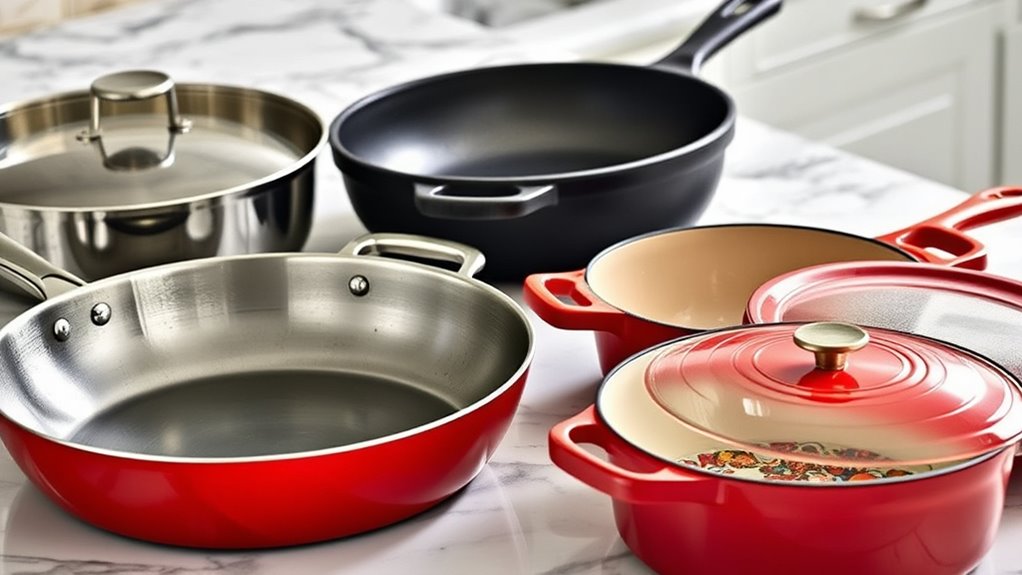
When figuring out if a pan is oven-safe, the materials and features it’s made from are really important. The right materials ensure your pan stays safe and lasts longer. For instance, cast iron and stainless steel are great because they can handle high temperatures without warping or breaking down.
Non-stick coatings can be oven-safe too, but only up to certain temperatures. Always check the manufacturer’s guidelines to be safe. Glass pans, like borosilicate, are oven-friendly, but some might crack if you expose them to sudden temperature changes.
Avoid pans with plastic handles or parts, as these can melt or release harmful fumes when heated. The way the pan is built also matters—solid bases spread heat evenly, which helps prevent hot spots and damage.
Knowing these features helps you pick pans that can handle oven heat safely. This way, your cookware stays durable and your cooking stays safe. Properly chosen oven-safe pans are key to both safety and long-term use.
How to Recognize Oven-Safe Cookware in Your Kitchen
Want to figure out if your cookware can handle the oven? It’s pretty straightforward—start by looking for labels or symbols on the packaging or the bottom of your pans that say they’re oven-safe. These little marks can save you a lot of guesswork!
Also, be sure to check the maximum oven temperature listed. Some cookware can handle high heat, while others are more delicate. If you plan to cook at a specific temperature, double-check that your pans can handle it.
And don’t forget to give your pans a quick visual check. If you see any cracks, chips, or signs of damage, it’s best to avoid putting them in the oven. Damaged cookware might not be safe to use and could cause accidents or damage your oven.
Material Labels and Symbols
Look for labels and symbols on your cookware that indicate oven safety. These markings give you quick guidance on whether a piece can handle high temperatures. Material identification is essential—check for labels that specify oven-safe materials like certain ceramics, cast iron, or heat-resistant glass.
Pay attention to cookware symbols, which often include icons such as a small oven or temperature indicators. These symbols clarify if the cookware is designed for oven use, helping you avoid damage or safety hazards. Some labels may also include temperature limits or warnings, so always read them carefully.
Recognizing these symbols and labels guarantees you choose the right pans for your baking or roasting needs. This keeps your kitchen safe and your cookware in top condition.
Oven Temperature Limits
Understanding the oven temperature limits on your cookware labels is key to avoiding accidents and damage. Most oven-safe pans have a maximum oven heat or a temperature range they can handle.
Look for labels or symbols on the bottom or packaging to find this info. If a pan is rated for up to 450°F, don’t go beyond that in the oven. High heat can cause warping or melting.
Materials like glass or certain plastics have lower temperature limits and might crack or release harmful fumes if overheated. Always follow these guidelines for safety and to keep your cookware in good shape.
Knowing and respecting these oven temperature limits lets you use your pans confidently without risking damage or safety issues.
Visual Inspection Techniques
You can often identify oven-safe cookware by checking its labels, symbols, and physical features. Visual cues and inspection methods help you figure out if a pan can handle oven heat.
Look for oven-safe symbols or wording like “ovenproof” or “safe at high temperatures.” These markings are a quick way to tell if the cookware is suitable for oven use.
Materials like ceramic, glass, cast iron, or metal are usually oven-safe. Simply inspecting the material can give you a good clue about its heat resistance.
Check the handles and lids to see if they’re made from oven-safe materials. Avoid plastic or rubber parts, as they may not withstand high oven temperatures.
Finally, look for any cracks, chips, or damage that could weaken the cookware and affect its heat resistance.
Using these visual cues, you can confidently identify which cookware is safe for the oven, helping you cook safely and effectively.
Top Metal Pans for Oven Use: Cast Iron, Stainless Steel, and More
When you’re on the hunt for metal pans to use in the oven, it’s all about finding options that can handle high heat and stand the test of time. Cast iron and stainless steel are big favorites because they’re so durable and can really take the heat. But, just a heads up—these pans do need a bit of TLC to stay in great shape.
Taking good care of your pans is key to making sure they perform well and last for years. With the right maintenance, your cast iron and stainless steel pans will serve you well through countless delicious meals.
Durability and Heat Tolerance
Metal pans are known for their durability and ability to withstand high oven temperatures, making them reliable choices for various cooking tasks. During durability testing, these pans show impressive heat resistance, so they won’t warp or degrade over time.
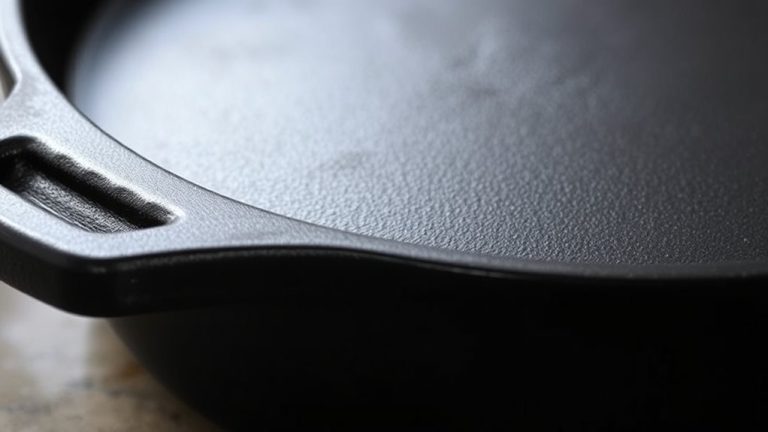
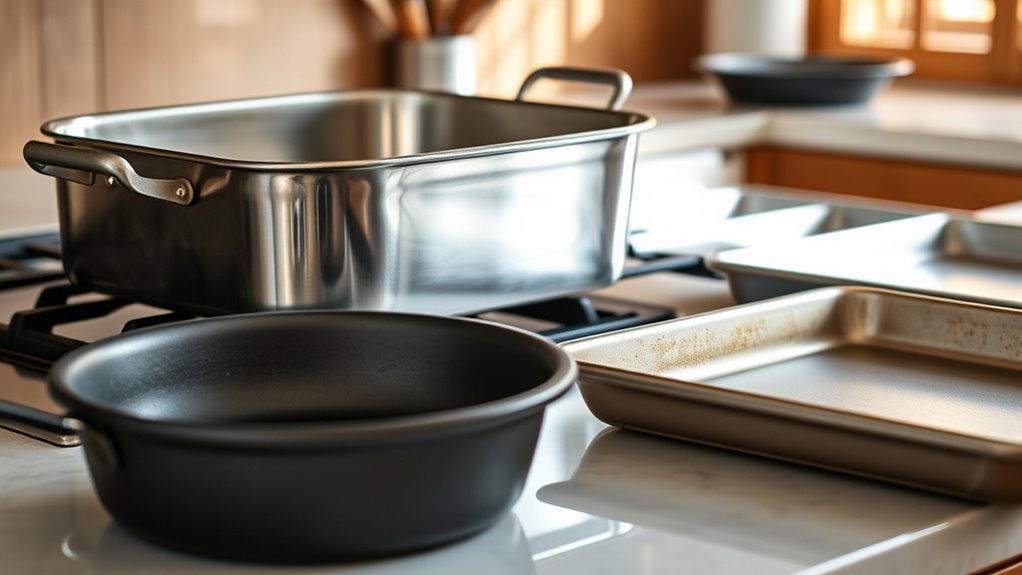
When choosing oven-safe pans, consider options like cast iron, which retains heat well and can handle extreme temperatures. Stainless steel is tough and resists warping, making it another great choice.
Carbon steel offers similar durability but is lighter, making it easier to handle. Aluminum with a sturdy non-reactive coating provides good heat conduction and resilience for everyday use.
These materials are built to endure frequent use and high heat. They’re essential tools in your kitchen, giving you confidence whether you’re baking, roasting, or broiling.
Maintenance and Care Tips
Proper maintenance and care are key to keeping your oven-safe metal pans in top condition and prolonging their lifespan. Regular pan cleaning is essential; always wash your pans thoroughly after use and dry them completely to prevent rust, especially with cast iron.
For stainless steel, use a gentle scrubber to remove any stuck-on food. Proper cookware storage also matters. Stack pans carefully to avoid scratches or warping, and consider using separators or cloths between pans.
Avoid storing lids and pans together in a way that could cause damage. If your pans develop seasoning or a patina, maintain it with minimal oil and gentle cleaning.
Following these tips guarantees your metal pans remain durable, safe, and effective for oven use over time.
Are Non-Stick Pans Oven-Safe? What You Need to Know
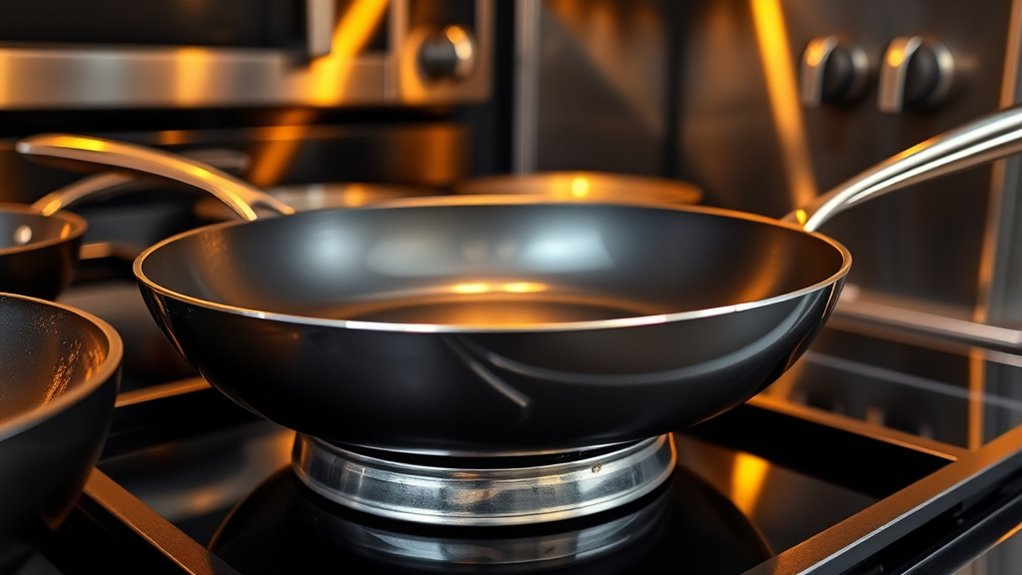
Are non-stick pans truly oven-safe? The answer depends on their non-stick safety and heat resistance. Many can handle oven temperatures up to 350-500°F, but you should always check the manufacturer’s guidelines.
Here’s what to keep in mind: Look for pans with oven-safe coatings and handles made of heat-resistant materials like silicone or metal. Avoid non-stick pans with plastic handles, as they can melt or degrade at high temperatures.
Always verify the maximum oven temperature specified by the manufacturer for safe use. Even oven-safe non-stick pans shouldn’t be exposed to broiler heat unless explicitly stated.
Using Glass and Ceramic Pans in the Oven Safely
Although glass and ceramic pans are popular for their even heat and non-reactive surfaces, you need to be careful when using them in the oven to avoid damage. Glass durability varies; some brands handle high temperatures well, but others might crack or shatter if exposed to sudden temperature changes. Always check the manufacturer’s guidelines to see if they are oven-safe.
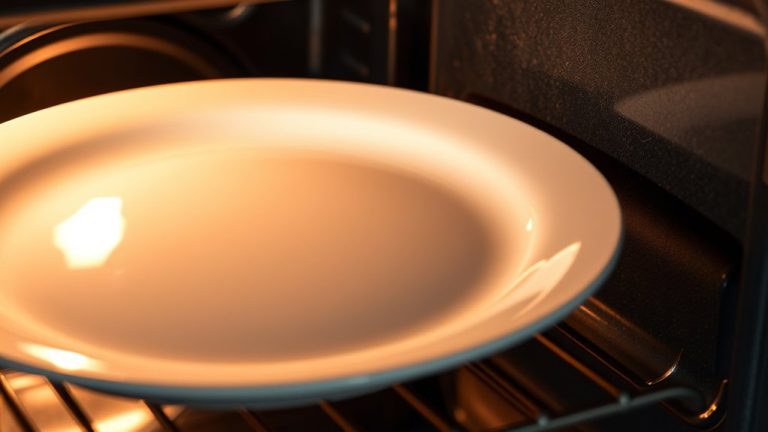
Ceramic pans are generally safe for oven use, but make sure they’re labeled as oven-safe and avoid quick temperature shifts that can cause cracking. When using glass or ceramic pans, don’t put them directly from the fridge into a hot oven, as thermal shock can lead to breakage.
Always use oven mitts when handling hot pans, and don’t go over the recommended temperature limits. Proper care ensures your glass and ceramic cookware stay in good shape, helping you cook efficiently without risking damage.
Can You Use Aluminum Foil Pans and Disposable Containers in the Oven?
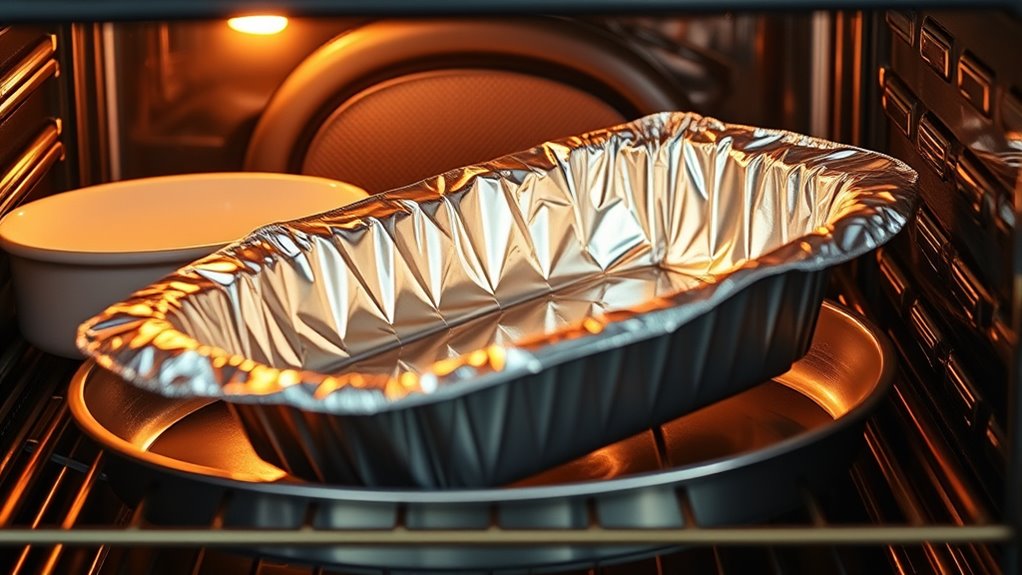
Aluminum foil pans and disposable containers are handy for baking and serving, especially during parties or small meals. They’re lightweight, easy to handle, and make cleanup a breeze.
When using them in the oven, keep a few things in mind. Most are oven-safe at moderate temperatures, but always check the manufacturer’s instructions first.
Avoid using them above 400°F (204°C) since high heat can cause warping or melting. Place aluminum foil pans directly on oven racks, but steer clear of thin-walled disposable containers that might warp.
Use disposable containers labeled as oven-safe to prevent any leaching or contamination, especially when cooking acidic foods.
Tips for Using Oven-Safe Pans Without Damage or Safety Risks
To prevent damage or safety hazards when using oven-safe pans, it’s important to follow proper handling and preparation techniques. First, always check the manufacturer’s guidelines to make sure your pan is oven-safe.
Choosing the right pan is key to keeping things safe and avoiding accidents. When placing pans in the oven, avoid sudden temperature changes to prevent warping or cracking. Always use oven mitts when handling hot pans, and never leave them unattended.
Here’s a quick guide to help you pick and handle oven-safe pans:
| Tip | Action | Benefit |
|---|---|---|
| Check labels | Confirm oven safety before use | Prevents damage and safety risks |
| Gradual heating | Preheat oven slowly and avoid thermal shock | Extends pan lifespan |
| Use appropriate tools | Use oven mitts and utensils | Ensures safety and control |
Following these tips will help you use your oven-safe pans safely and keep them in great shape for longer.
Common Mistakes When Using Non-Oven-Safe Pans
Using pans that aren’t designed for oven use can cause serious problems, even if you’re careful. Many people make common mistakes by using non-oven-safe materials, which can lead to damage or safety hazards. Here are some key mistakes to watch out for:
Using non-oven-safe pans can cause damage and safety hazards—always check before baking.
- Ignoring manufacturer warnings: Just assuming a pan is oven-safe without checking can cause warping or melting. Always check the label or instructions first.
- Using plastic or silicone handles: Handles made from non-oven-safe materials can melt in the oven. This can release harmful chemicals or cause burns when you grab the pan.
- Overlooking material limitations: Some metals, like non-stick coatings, break down at high temperatures. This can lead to chemical release or damage to the coating.
- Not inspecting for damage: Cracks or chips in non-oven-safe pans can get worse in the oven. This might cause leaks, breakage, or safety issues during cooking.
Avoid these common mistakes to keep your cookware safe and working well. Always double-check if your pans are oven-safe before putting them in the oven, especially if they’re made from materials that aren’t designed for high heat.
How to Choose the Best Oven-Safe Pan for Your Cooking Needs
Are you unsure how to pick the perfect oven-safe pan for your cooking style? First, consider pan compatibility. Confirm the material can handle oven temperatures without warping or damage. Look for pans labeled explicitly as oven-safe, and check manufacturer guidelines for maximum temperature limits.
Regarding non-stick safety, choose coatings that can withstand oven heat without releasing harmful fumes. Some non-stick surfaces aren’t oven-friendly at high temperatures. Cast iron, stainless steel, and oven-safe glass are excellent options for durability and safety.
If you prefer non-stick, verify that the coating is oven-safe and free from PFOA or PTFE. Think about your cooking needs. For roasting and baking, heavy-duty pans like cast iron or enameled cookware work well.
Ultimately, selecting a pan with the right compatibility and non-stick safety ensures your cooking remains safe, efficient, and enjoyable.
Alternatives to Traditional Pans for Oven Cooking and Baking
If you’re on the hunt for alternatives to your usual oven-safe pans, there are quite a few options worth considering. Things like cast iron, silicone bakeware, and glass or ceramic dishes can all do the job, and each one comes with its own perks.
Cast iron, for example, is fantastic because it retains heat really well, making it perfect for roasting or baking crispy items. Silicone bakeware is super flexible and non-stick, so it’s great for things like muffins or delicate desserts. Glass and ceramic dishes are also popular—they’re great for even heating and can go from oven to table with style.
Trying out these different materials can really open up your baking and roasting game, giving you more variety and versatility than sticking to traditional pans alone.
Cast Iron Alternatives
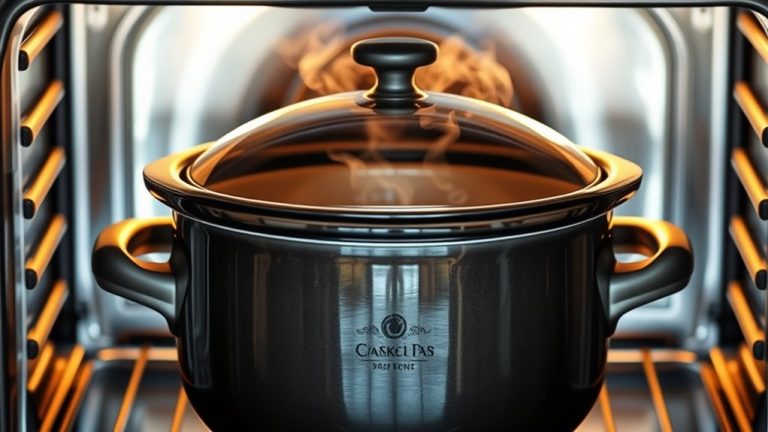
When looking for alternatives to cast iron for oven cooking and baking, there are several options that can offer similar durability and heat retention. Enamel coated cast iron is a popular choice because it’s easy to clean and doesn’t rust.
Carbon steel pans are lightweight and heat up quickly, making them great for roasting and baking.
Other options include stainless steel pans, which are oven-safe and resistant to corrosion, perfect for baking. Heavy-duty aluminum bakeware conducts heat well and is ideal for quick baking tasks.
These alternatives provide reliable oven performance without the weight or maintenance that comes with traditional cast iron.
Silicone Bakeware Options
Silicone bakeware has become popular as a versatile alternative to traditional metal pans, offering convenience and flexibility for oven cooking and baking.
Silicone molds are especially loved for baking cakes, muffins, and candies because they are flexible, making it easy to release baked goods without sticking.
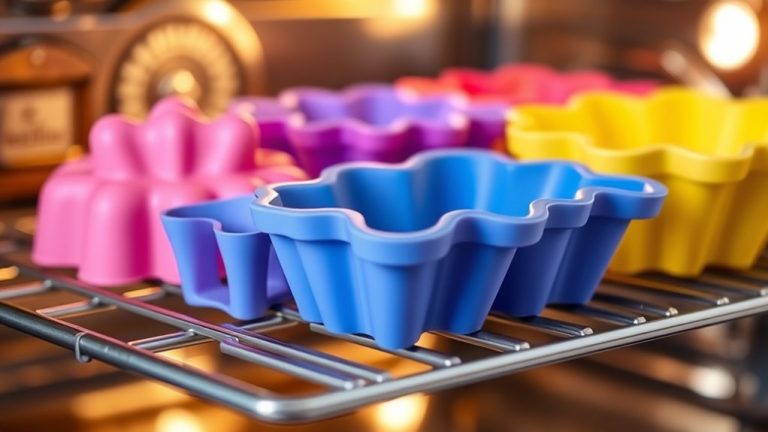
One of the biggest advantages is their heat resistance; most silicone bakeware can handle temperatures up to 450°F (232°C), so they’re safe for standard ovens.
They heat evenly, giving you consistent results, and are lightweight and simple to store.
Plus, silicone bakeware is dishwasher safe, making cleanup a breeze.
Whether you’re making delicate desserts or savory dishes, silicone molds are a durable and flexible choice that adapts to various baking needs while standing up to high oven temperatures.
Glass and Ceramic Use
Glass and ceramic pans are popular choices instead of traditional metal bakeware because they distribute heat evenly, helping your baked goods cook uniformly. When choosing glass types, consider borosilicate for thermal shock resistance or tempered glass for durability.
Ceramic pans often have glazed finishes that prevent sticking and make cleanup easier. Just remember to use oven-safe glass or ceramic pans rated for your baking temperature.
Be cautious with sudden temperature changes to avoid cracking your pans. Before using, check ceramic finishes for chips or cracks to ensure safety.
Keep in mind that darker ceramic finishes may absorb more heat, which can affect your cooking times.
Frequently Asked Questions
Can I Use Plastic or Silicone Pans in the Oven?
You shouldn’t use plastic pans in the oven because they aren’t oven-safe and can melt or release harmful chemicals.
Silicone bakeware, however, is designed for oven use and offers benefits like flexibility, easy release, and even heating. Its heat resistance makes it a safe choice for baking.
Always check the manufacturer’s guidelines to verify your silicone bakeware is oven-safe. Avoid plastic for oven use to prevent accidents.
How High Can Oven-Safe Pans Be Heated?
Oven-safe pans can usually be heated up to their heat resistance limits, which generally range from 350°F to 500°F depending on the material.
Materials like cast iron, ceramic, and metal pans tend to handle higher temperatures quite well.
On the other hand, silicone and plastic pans have lower heat resistance limits, usually around 400°F or less.
Always check the manufacturer’s guidelines to ensure safety and avoid damage or warping.
Are Enameled Pans Suitable for Oven Use?
Enameled pans are like glass paintings—beautiful and durable, perfect for oven use. You can definitely put enameled cookware in the oven, thanks to its heat-resistant coating.
Their benefits include even heat distribution and easy cleaning. Just remember, handle with care and avoid sudden temperature changes to prevent chipping.
Proper enameled pan care guarantees your cookware stays vibrant and functional. It makes a reliable tool for your oven adventures.
Can I Bake With Non-Stick Pans at High Temperatures?
You can bake with non-stick pans at high temperatures, but it’s important to check if they’re oven safe first.
Non-stick coatings, especially older or cheaper ones, might break down or release fumes when heated too much.
For oven safety, look for pans with a high-temperature rating, usually around 450°F or more.
Always follow the manufacturer’s instructions to keep the non-stick coating in good shape and ensure safe, effective baking.
Do All Glass Pans Have the Same Oven Safety Ratings?
Not all glass pans have the same oven safety ratings. When comparing glass versus ceramic, glass pans usually follow strict oven safety guidelines but can vary depending on the brand.
Always check the manufacturer’s instructions to make sure your specific pan is oven-safe, especially at high temperatures. Some glass pans are designed for oven use up to certain temperatures, while others aren’t.
It’s best to follow the guidelines to avoid damage or accidents.
Conclusion
Now that you know which pans are oven-safe, you’re better equipped to choose the right one for your recipes. Sometimes, a cast iron skillet or a glass dish surprises you by not only fitting your needs but also fitting perfectly into your kitchen routine.
It’s funny how the right pan can turn a simple meal into a memorable experience, all thanks to knowing what materials can handle the heat and your next great dish.