10 Factors That Affect How Much Kitchen Cabinet Installation Costs
Are you thinking about updating your kitchen but feeling overwhelmed by the potential costs? You’re not alone—many people struggle to figure out what influences the price of cabinet installation. Knowing what drives these expenses can help you plan better and avoid surprises.
Your kitchen cabinet installation costs are influenced by several factors. These include the complexity of your layout, the type of cabinets you choose, and the materials and finishes used. Labor rates vary by location and project difficulty.
While custom features, hardware upgrades, and built-in appliances add to expenses, unexpected challenges like uneven walls can also increase costs. Understanding these elements helps predict your budget—you’ll find more detailed insights if you go further.
Key Takeaways
- Material choices like solid wood versus laminate really affect the overall costs.
- Custom cabinets and complicated layouts tend to drive up both labor and material expenses.
- Adding features like appliance integration or pull-out shelves can also increase installation costs.
- Where you live impacts labor rates and the prices of regional materials.
- More complex designs and hardware upgrades can raise both the cost of materials and the amount of labor needed.
What Is the Typical Cost Range for Kitchen Cabinet Installation?
The typical cost for kitchen cabinet installation usually ranges from $1,500 to $5,000, but it can vary based on a few factors. Your kitchen design is a big part of this—more complex layouts or custom cabinets tend to cost more.
Kitchen cabinet installation costs range from $1,500 to $5,000, influenced by design complexity and customization.
If you want specialized features or unique styles, be prepared to pay extra. Appliance integration also affects the price—built-in appliances or custom-cut spaces for specific appliances can add to the overall cost.
The materials you pick matter too. Solid wood is generally more expensive than laminate, which impacts your total. The size of your kitchen and the number of cabinets you install also play a role.
Keep in mind, hiring a professional ensures a good fit and a polished finish, but it might cost more depending on the contractor and project.
Knowing these factors can help you better estimate your budget for kitchen cabinet installation.
How Complex Is Your Kitchen Layout?
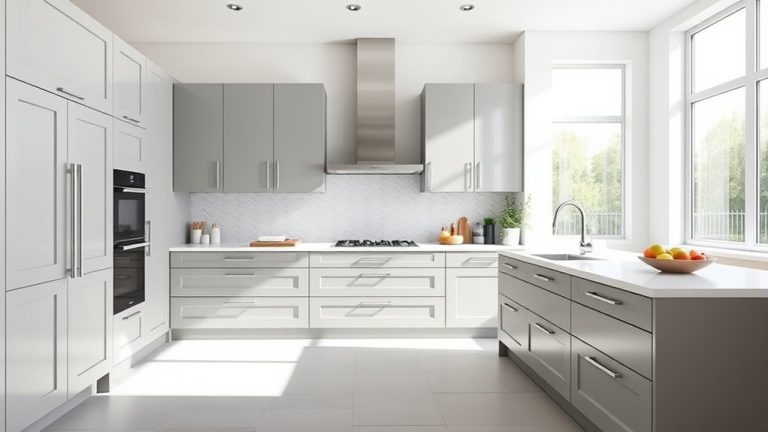
A more intricate kitchen layout can significantly raise your installation costs because it often requires extra planning, custom cuts, and special tools.
Designs with multiple corners, islands, or unusual angles need more precise work and sometimes custom cabinetry. Your layout influences the complexity, and a complicated design means installers spend more time making sure everything fits perfectly.
This might also mean adding cabinet accessories like specialized hinges, pull-out shelves, or corner units, which can increase costs. If your space has irregular shapes or tight corners, expect higher labor fees and possibly custom manufacturing.
The more detail and customization needed, the more it will impact your overall expenses. Simple, streamlined layouts are quicker and less costly to install, while complex kitchens require more effort, precision, and often, specialized cabinet accessories.
What Are the Different Cabinet Types and How Do They Affect Cost?
Different cabinet types vary widely in cost, depending on materials, construction quality, and style. For example, stock cabinets are usually the most affordable, perfect for tight budgets and quick installs. They come pre-made in standard sizes, offering basic styling but limited customization.
Stock cabinets are affordable, pre-made, and ideal for quick, budget-friendly kitchen upgrades.
Semi-custom cabinets cost more but give you more flexibility in design, size, and finish options. This can affect your overall budget, so it’s good to plan accordingly.
Custom cabinets are the most expensive, built to your exact specifications with premium materials and craftsmanship. They allow for unique styles and detailed finishes, which can really elevate your kitchen’s look but will cost more.
Your choice of cabinet type directly impacts your total project expenses. Understanding these differences helps you pick cabinets that match your budget and style preferences.
Being clear on what matters most—cost, style, or quality—ensures you make informed decisions that balance everything effectively.
How Do Material and Finish Choices Impact Your Budget?
Your choice of materials and finishes can really impact your overall budget. For example, durable materials might cost more initially, but they can save you money in the long run because they last longer and need less maintenance. On the other hand, finish options can vary a lot in price, from budget-friendly to high-end choices.
Getting a good handle on these differences can help you make smarter decisions that match your financial priorities. It’s all about balancing what you want with what you’re willing to spend, so you end up with a space that looks great and stays within your budget.
Material Durability and Cost
Have you thought about how the materials and finishes you pick for your kitchen cabinets can really impact your overall costs? Durable materials might cost more at first but tend to last longer, saving you money on repairs and replacements down the line.
For example, solid hardwoods are sturdy but more expensive, while particleboard is cheaper but less resistant to moisture and damage. Upgrading hardware like soft-close hinges or brushed nickel handles can add to your budget but make your cabinets more functional and durable.
Eco-friendly options like bamboo or recycled wood might have a higher initial price, but they often offer better durability and sustainability, which can lower your long-term costs. Finding the right balance between durability and your budget helps you choose cabinets that fit your needs without overspending.
Finish Options and Pricing
How you choose the finish for your kitchen cabinets can significantly impact your overall costs. High-end finishes like lacquer or custom paint jobs tend to be more expensive than standard options such as laminate or veneer.
Eco-friendly finishes, which are becoming more popular, usually come at a slightly higher price but offer environmental benefits and better durability. Upgrading hardware, like brushed nickel or antique finishes, can also add to your budget, especially if you go for designer brands or custom designs.
Keep in mind that simpler finishes generally cost less and are quicker to apply. In contrast, intricate or specialty finishes tend to increase labor and material expenses.
Balancing your desired look with your budget will help you select a finish that’s both beautiful and affordable.
What Are the Costs of Custom vs. Standard Cabinets?
When deciding between custom and standard kitchen cabinets, understanding the cost differences can really help you make a smart choice. Custom cabinets usually cost more because they’re made to fit your specific style and preferences.
They often feature unique designs, finishes, and eco-friendly materials. These options give you more flexibility to choose sustainable materials, which can add to the price but are better for the environment.
Standard cabinets are mass-produced and come in predefined sizes and styles, making them more affordable. They’re widely available and usually cost less per unit, helping you stick to a tighter budget.
While custom cabinets give you a personalized look and can incorporate eco-friendly options easily, they do require a bigger upfront investment. Standard cabinets are budget-friendly and quicker to install but might limit your design choices.
Your decision depends on your style priorities, environmental concerns, and how much you’re willing to spend.
How Do Cabinet Size and Quantity Influence Your Total Price?
The size and number of cabinets you need directly impact your overall costs because larger cabinets and more units require extra materials and labor. Bigger cabinets tend to use more cabinet material, which raises the material costs.
Similarly, quantity plays a big role—more cabinets mean more resources and longer installation times. If you choose custom-sized cabinets, expect to pay more compared to standard options, since custom dimensions often need specialized materials and extra craftsmanship.
The installation timeline is also affected. Larger or more cabinets take longer to install, increasing labor costs. Keep in mind that the complexity of your cabinet sizes can influence the project duration, especially if you have irregular shapes or unique designs.
How Do Labor Costs Affect Kitchen Cabinet Installation?
Your labor costs can really change depending on where you live and how complicated the installation is. That means your overall budget might go up or down based on these factors.
It’s generally more expensive to hire skilled workers, but they often get the job done quicker and with better quality. On the other hand, unskilled labor might save you some money upfront, but it can be a bit riskier since the work might not be as perfect.
Getting a good handle on how these different factors affect costs can help you make smarter choices when it’s time to install your kitchen cabinets.
Labor Rate Variability
Labor costs can significantly impact your overall kitchen cabinet installation expenses, as they often make up a large part of your budget. Variations in labor rates depend on factors like location, experience, and how complex the job is.
For example, more experienced carpenters may charge higher rates but can provide better appliance integration and match current kitchen design trends. Regional differences also play a role, with urban areas generally charging more than rural ones.
| Location | Typical Rate Range | Notes |
|---|---|---|
| Urban Areas | $50 – $100/hour | Higher costs, skilled labor |
| Rural Areas | $30 – $60/hour | Lower rates, possibly less experience |
| Specialized Trades | $75 – $150/hour | For complex projects like appliance integration |
Understanding these variations helps you budget accurately for your kitchen upgrade.
Project Complexity Impact
Project complexity can significantly impact the amount of labor needed to install kitchen cabinets, which in turn affects the overall costs. More complex projects often require extra work, increasing both labor time and expenses.
For example, adjusting for appliance placement might mean custom cabinetry or special fittings, adding to the effort. Lighting considerations could involve wiring or installing fixtures, making the process more complicated.
Other factors that increase complexity include uneven or damaged walls requiring prep work, multiple cabinet styles or finishes, and custom modifications for unique kitchen layouts. Advanced features like built-in appliances or specialized storage also add to the challenge.
All these elements demand skilled labor and more time, which can raise costs. Understanding how project complexity impacts labor helps you better estimate your overall kitchen renovation budget.
Skilled vs. Unskilled Workers
The skill level of workers directly impacts the cost and quality of kitchen cabinet installation. Skilled workers with proper training can finish the job faster, reducing labor time and minimizing mistakes.
Their higher skill levels often mean they charge more, but this results in a better finished product. Unskilled workers may charge less, but their lack of experience can cause errors, delays, or damage.
These issues can end up increasing the overall costs in the long run. Investing in trained, skilled labor usually leads to a smoother installation process and a higher-quality outcome.
When you consider labor costs, weigh the benefits of experienced workers against their higher wages. Proper training makes a big difference in both the quality and cost of your kitchen cabinet installation.
What Additional Features or Accessories Will Add to Your Costs?
Adding extra features or accessories to your kitchen cabinets can significantly boost your overall costs. These upgrades improve both functionality and style but come with additional expenses.
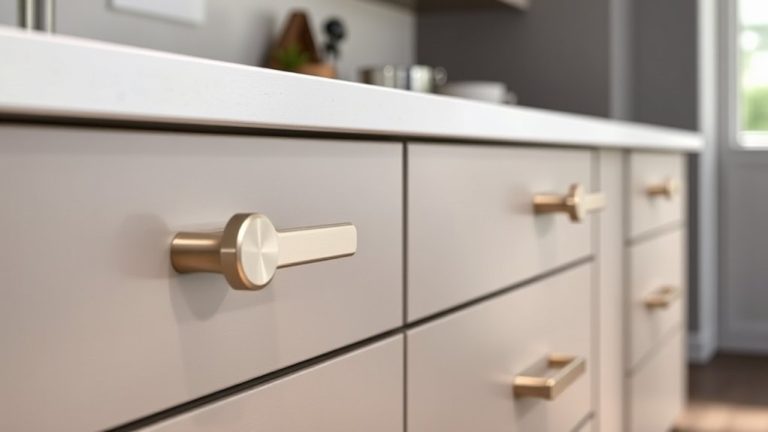
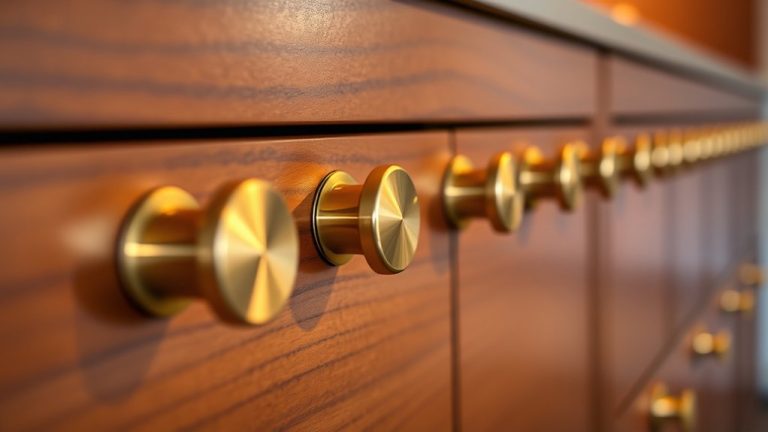
Decorative hardware like handles and knobs can give your cabinets a custom look, though their price varies based on materials and design. Built-in accessories such as pull-out shelves, spice racks, or lazy Susans add convenience but also increase installation costs.
Consider options like decorative hardware for a polished finish, built-in organizers to maximize space, glass fronts or decorative panels for visual appeal, and soft-close hinges and drawers for smooth operation.
Each of these features makes installation more complex and adds to material costs. While they can make your kitchen more attractive and functional, they’ll also impact your budget.
Be sure to balance your desired features with your overall cost expectations before making your choices.
How Does Your Location Impact Installation Expenses?
Your location can significantly impact kitchen cabinet installation costs because of regional differences in labor rates, material availability, and demand.
In urban areas, where contractors are more plentiful, prices tend to be lower. But in rural or less populated regions, fewer local contractors can lead to higher labor costs due to limited availability.
Material costs might also vary depending on local supply chains and transportation expenses. High demand in certain areas can push prices up, especially during busy remodeling seasons.
If you’re in a region with lots of contractors, you might find more competitive rates and quicker scheduling. Conversely, areas with fewer specialists could mean longer wait times and higher fees.
Understanding how your location affects costs helps you budget better and explore options for saving money, like sourcing materials locally or scheduling during off-peak times.
What Are the Unexpected Costs to Watch Out For During Installation?
Even with careful planning, unexpected costs can pop up during kitchen cabinet installation and catch you off guard. These hidden fees often come from issues you didn’t see before, leading to higher expenses.
Be prepared for surprises like additional labor costs if your walls or floors need repairs or adjustments. Sometimes, there are hidden fees for modifying existing plumbing or electrical wiring that weren’t part of the original plan.
Expect extra costs for wall or floor repairs and hidden fees for plumbing or electrical modifications.
You might also face extra charges for custom fittings or adjustments that weren’t included in the initial quote. Plus, there could be costs for permits or inspections you didn’t plan for upfront.
These surprises can quickly blow up your budget. It’s a good idea to set aside a contingency fund to cover such unexpected expenses. Also, talk openly with your contractor about potential hidden fees so you’re not caught off guard.
Understanding these common pitfalls can help you avoid financial stress and keep your project running smoothly.
Frequently Asked Questions
How Do Permits and Regulations Influence Installation Costs?
Permits and regulations can increase your kitchen cabinet installation costs because they ensure safety and compliance with local codes.
If you’re choosing custom cabinetry or following current design trends, you might need specific permits, which can add to your expenses.
Managing permits can take time and may require inspections, but they help prevent future legal issues and make sure your project meets all standards.
Always remember to include these costs in your overall budget.
Can Choosing Eco-Friendly Materials Increase Expenses?
Choosing eco-friendly materials can indeed increase expenses because they often come with a higher price tag. You might notice a difference in cost when selecting sustainable options like bamboo or reclaimed wood.
While they might seem pricier upfront, they tend to last longer and are better for the environment. So, you’re investing in both durability and eco-consciousness, even if it costs a bit more initially.
How Does the Age of Your Home Affect Installation Complexity?
The age of your home affects installation complexity because older homes often have outdated wiring, uneven walls, or structural issues. These factors can make renovations more challenging.
You might need extra adjustments during your kitchen design to work around these quirks. This can lead to increased labor time and costs.
Being aware of your home’s age helps you anticipate potential surprises. It ensures a smoother cabinet installation and a better overall renovation experience.
Are There Seasonal Factors That Impact Installation Prices?
Yes, seasonal demand and weather delays can impact installation prices. During peak seasons like spring and summer, contractors might charge more because there’s higher demand.
Bad weather, such as snow or heavy rain, can cause delays, which in turn increase labor costs and extend project timelines. You might find lower prices in the off-season when demand drops, but weather-related delays could still affect scheduling and costs.
What Warranties or Insurance Costs Are Associated With Installation?
You should consider warranty coverage and insurance premiums when planning your kitchen cabinet installation. Warranties can protect you from future repair costs, so it’s worth checking what’s included.
Insurance premiums cover potential damages or accidents during installation. Keep in mind, you might pay higher premiums if the project involves complex work or special materials.
Always verify that the installer’s insurance is up-to-date to avoid unexpected expenses. It’s also a good idea to understand the details of warranty coverage before starting the project.
Conclusion
In the end, understanding these factors is like having a crystal ball for your kitchen renovation—suddenly, every dollar makes sense.
By considering layout, cabinet type, materials, and even your location, you’ll dodge surprise costs that could turn your dream kitchen into a financial nightmare.
Arm yourself with this knowledge, and you’ll be laughing all the way to the bank while creating a kitchen that’s truly worth every penny without breaking the bank!